Discover why your metabolism isn't broken and how the microbiome-hormone connection controls appetite, weight, and energy. Learn to identify how gut and hormonal imbalances are affecting your metabolic health.
Your Metabolism Is Not Broken: How Gut Health and Hormones Affect Weight

Summary
You know the script by heart. You're eating whole foods, hitting your protein goals, and maybe even tracking macros. You've tried intermittent fasting, cutting carbs, and adding carbs back in. You're walking 10,000 steps, strength training twice a week, and prioritizing sleep.
And yet, the weight won't shift. Your energy is inconsistent. You're hungry all the time, or you have no appetite at all. Your cravings feel out of control in the week before your period.
Here's what you've probably been told: "Your metabolism is broken." "You're just getting older." "You need to eat less and move more."
The truth is: your metabolism is not broken. But the communication system between your gut and your hormones might be.
In this post, we've partnered with Amy Divaraniya, CEO and founder of Oova, to break down the often-overlooked connection between your microbiome and your hormones, and how understanding both can finally help you feel like yourself again.
Why "eat less, move more" doesn't always work
When we talk about metabolism, we're really referring to how your body converts food into energy and decides what to do with it. But metabolism isn't just about calories in and calories out. It’s regulated by a complex network of signals involving your gut microbiome, hormones, nervous system, and cells.
Two major players in this system often get overlooked:
Your gut microbiome – the trillions of bacteria in your digestive system that influence everything from nutrient absorption to inflammation to appetite signaling [1].
Your hormones – chemical messengers like estrogen, progesterone, cortisol, insulin, and thyroid hormones that control energy use, fat storage, and hunger cues.
When these two systems aren't working in sync, you can do everything "right" and still struggle with weight, energy, and cravings. And here's the kicker: they influence each other constantly.
How your gut affects metabolism and hormones (and vice versa)
Your gut microbiome doesn't just digest food. It actively participates in hormone production, metabolism, and clearance. Here's how:
The gut produces and regulates hormones. Your gut bacteria influence the production of neurotransmitters like serotonin (which affects mood and appetite) and hormones like GLP-1, which regulates blood sugar and satiety. An imbalanced microbiome can disrupt these signals, leaving you feeling hungry even after eating.
The gut processes estrogen. Your microbiome contains bacteria that make up what's called the estrobolome, the collection of gut bacteria that metabolize estrogen [2]. When your gut bacteria are out of balance, estrogen can be reabsorbed instead of eliminated, leading to estrogen dominance. This may contribute to weight gain (especially around the midsection), bloating, mood swings, and irregular cycles.
Gut inflammation affects insulin sensitivity. An imbalance in gut bacteria may trigger inflammation, which interferes with insulin signaling. When your cells don't respond well to insulin, your body stores more fat and has trouble accessing stored energy, making weight loss extremely difficult even with calorie restriction [3].
Your hormones shape your microbiome. This relationship goes both ways. Estrogen and progesterone fluctuations throughout your menstrual cycle actually change the composition of your gut bacteria. This is why you might experience digestive issues, bloating, or changes in appetite and cravings at different points in your cycle.
Stress hormones disrupt both systems. Chronic stress elevates cortisol, which may damage the gut lining, reduce microbial diversity, and promote fat storage, particularly visceral fat around your organs [4], [5].
Is it your gut, hormones, or both?
The symptoms of imbalances in your gut and hormones overlap significantly, which is why it's so hard to pinpoint what's actually going on. Here's how to differentiate:
Signs your gut might be the primary issue:
- Digestive symptoms (bloating, gas, irregular bowel movements, food sensitivities)
- Symptoms improve or worsen with specific foods
- History of antibiotic use, food poisoning, or digestive conditions
- Skin issues like eczema or rashes unrelated to your cycle
- Brain fog and fatigue that don't follow a cyclical pattern
Signs your hormones might be the primary issue:
- Symptoms that follow a clear monthly pattern (worse in the luteal phase or around your period)
- PMS symptoms like breast tenderness, mood swings, and severe cravings
- Irregular or absent periods
- Difficulty conceiving or history of miscarriage
- Night sweats, hot flashes, or perimenopausal symptoms
- Weight gain specifically around your midsection despite a stable diet and exercise
Signs it's likely both:
- Cyclical digestive issues (bloating and constipation that worsen before your period)
- Weight that fluctuates dramatically throughout your cycle
- Energy crashes that happen both randomly and cyclically
- Skin breakouts that follow your cycle, but also flare with certain foods
- Increased anxiety or mood issues tied to both stress and your cycle
The reality? For most people, it's not an either/or situation. These systems are so interconnected that an issue in one often creates or worsens problems in the other.
Why standard testing misses the full picture
If you've been struggling with these symptoms, you've probably already seen your practitioner. Maybe you got some bloodwork done. And you were told "everything looks normal."
Here's why that happens: standard hormone testing is usually done on a single day, often without regard to where you are in your cycle. Hormones fluctuate dramatically: estrogen peaks mid-cycle, and progesterone rises in the luteal phase. A one-time blood draw can easily miss imbalances [6].
Similarly, standard gut testing (if offered at all) often only looks for pathogens or obvious problems, not the nuanced shifts in microbial diversity and function that affect metabolism and hormone regulation.
To really understand what's happening, you need:
Cycle-aware hormone tracking. This means testing your hormones at multiple points throughout your cycle to see patterns, not just snapshots. Tracking hormones like progesterone (and its metabolite PdG, which can be measured in urine) throughout your luteal phase can reveal issues like luteal phase defects, anovulation, or estrogen dominance that a single blood test would miss.
Comprehensive gut microbiome analysis. This goes beyond looking for disruptive bacteria and examines the overall diversity and balance of your microbiome, including bacteria involved in hormone metabolism, inflammation, and metabolic health.
What you can do to support the gut-hormone connection
While comprehensive testing gives you the full picture, there are evidence-based steps you can take today to help both your gut and hormones:
Eat to support microbial diversity. Focus on fiber-rich foods (aim for 30 different plant foods per week), fermented foods (yogurt, kimchi, sauerkraut), and polyphenol-rich foods (berries, green tea, dark chocolate, olive oil). These feed beneficial bacteria and support the estrobolome.
Balance blood sugar to support hormones. Include protein and healthy fats with every meal, especially breakfast. This stabilizes insulin and reduces the cortisol spike that comes from blood sugar crashes [7]. Stable glucose levels also lower inflammation that impacts both gut and hormone health.
Cycle-sync your eating and exercise. In the first half of your cycle (follicular phase), you may have more energy for intense workouts and can handle more carbohydrates. In the second half (luteal phase), your body may benefit from more restorative movement, extra calories, and more complex carbs to support progesterone production [8].
Reduce unnecessary gut disruptors. Minimize ultra-processed foods, artificial sweeteners, and excessive alcohol, as they may negatively impact microbiome bacteria. Be mindful of unnecessary antibiotic use.
Manage stress strategically. When it becomes chronic, it really impacts metabolism. It may disrupt your gut barrier, deplete beneficial bacteria, and keep cortisol elevated, which interferes with insulin, thyroid function, and sex hormones [4]. Even 10 minutes of daily stress management, whether it's breathwork, walking, or journaling, can make a measurable difference.
Track your symptoms across your cycle. Keep a simple log of energy, digestion, mood, sleep, and cravings throughout the month. Patterns will emerge that help you understand whether your issues are hormone-driven, gut-driven, or both.
Tracking your hormones and gut health
Knowing whether it's your gut, your hormones, or both isn't just information; it's actionable. When you understand how both are impacting your body, you can stop guessing and make targeted changes.
If you've optimized your wellness routine with the help of a Gut Health Test, but still struggle with weight, energy, or cyclical symptoms, the missing piece might be understanding your hormone patterns throughout your cycle.
That's where cycle-specific hormone tracking comes in. By measuring key hormones like progesterone and PdG at home throughout your cycle, you can identify patterns that single-day blood tests miss, like luteal phase defects, anovulation, and signs of estrogen dominance that directly affect metabolism, weight, and energy.
Oova's at-home hormone testing gives you cycle-specific insights that go beyond a single snapshot, helping you connect the dots between your symptoms and what's actually happening in your body. Learn more about Oova.
Frequently Asked Questions
Q: Can gut health affect hormones? A: Yes, your gut microbiome directly influences hormone production, metabolism, and clearance. Gut bacteria help process estrogen through the estrobolome and influence the production of neurotransmitters and hormones that affect appetite and mood.
Q: Why can't I lose weight even though I eat healthy? A: Weight loss resistance often stems from the gut-hormone connection rather than a "broken metabolism." Gut imbalances can cause inflammation that affects insulin sensitivity, while hormone imbalances affect how your body stores and uses energy.
Q: How do I know if my metabolism problems are hormonal? A: Hormonal metabolism issues typically follow cyclical patterns, with symptoms worsening at specific points in your menstrual cycle. Tracking symptoms and hormones throughout your entire cycle can reveal patterns that single-day testing misses.
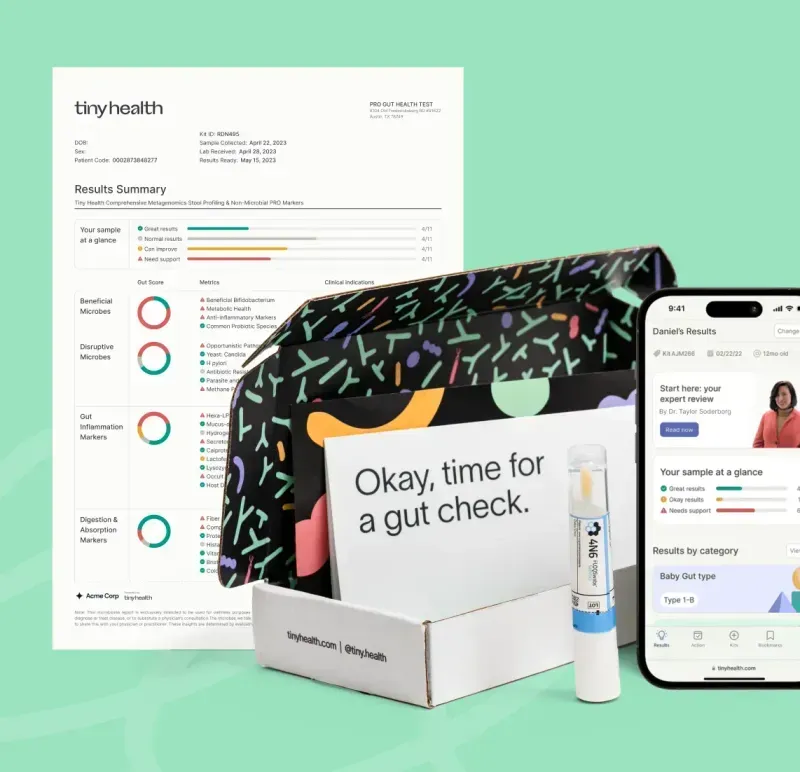
Trust your gut.
Get to know your microbes with an easy, 5-minute at-home test from Tiny Health. Unlock deep gut health insights and personalized recommendations for your diet, supplements, and lifestyle.

Tiny Health is built by a team who cares. We're all about making the newest science accessible.

Dr. Pamela Nieto has over 10 years of experience in basic research and gut and vaginal microbiome test development.
References
References
[1] E. Thursby and N. Juge, “Introduction to the human gut microbiota,” Biochem J, vol. 474, no. 11, pp. 1823–1836, May 2017, doi: 10.1042/BCJ20160510.
[2] J. M. Baker, L. Al-Nakkash, and M. M. Herbst-Kralovetz, “Estrogen-gut microbiome axis: Physiological and clinical implications,” Maturitas, vol. 103, pp. 45–53, Sep. 2017, doi: 10.1016/j.maturitas.2017.06.025.
[3] P. D. Cani, M. Osto, L. Geurts, and A. Everard, “Involvement of gut microbiota in the development of low-grade inflammation and type 2 diabetes associated with obesity,” Gut Microbes, vol. 3, no. 4, pp. 279–288, 2012, doi: 10.4161/gmic.19625.
[4] J. M. Allen et al., “Psychological stress disrupts intestinal epithelial cell function and mucosal integrity through microbe and host-directed processes,” Gut Microbes, vol. 14, no. 1, p. 2035661, Dec. 2022, doi: 10.1080/19490976.2022.2035661.
[5] J. P. Karl et al., “Effects of Psychological, Environmental and Physical Stressors on the Gut Microbiota,” Front Microbiol, vol. 9, p. 2013, 2018, doi: 10.3389/fmicb.2018.02013.
[6] M. Mihm, S. Gangooly, and S. Muttukrishna, “The normal menstrual cycle in women,” Anim Reprod Sci, vol. 124, no. 3–4, pp. 229–236, Apr. 2011, doi: 10.1016/j.anireprosci.2010.08.030.
[7] Y.-M. Park et al., “A high-protein breakfast induces greater insulin and glucose-dependent insulinotropic peptide responses to a subsequent lunch meal in individuals with type 2 diabetes,” J Nutr, vol. 145, no. 3, pp. 452–458, Mar. 2015, doi: 10.3945/jn.114.202549.
[8] M. M. Rogan and K. E. Black, “Dietary energy intake across the menstrual cycle: a narrative review,” Nutr Rev, vol. 81, no. 7, pp. 869–886, Jun. 2023, doi: 10.1093/nutrit/nuac094.
Related posts



Get $10 OFF to kickstart your microbiome health journey