Picky eating is common in children ages 2–6 and often temporary. Parents can support healthier eating by offering new foods without pressure, creating structured mealtimes, boosting familiar meals with nutrient-dense additions, and limiting ultra-processed snacks. If extreme food avoidance persists, conditions like ARFID may require professional support.
Picky Eating Made Healthier: Meal Plans, Lunch Ideas, and Tips for Parents

Summary
As a microbiome specialist at Tiny Health, I hear parents say all the time: “My kid used to eat everything as a baby, and now they’re suddenly so picky!” If that sounds familiar, you’re not alone. Picky eating is very common in young children, and for many, it’s just a phase.
Navigating this stage takes patience, creativity, and a growth mindset. There are a variety of frameworks and strategies I’ve used to help parents navigate this phase, including nutritious swaps, supporting a positive food environment, and gradually broadening a child’s food preferences over time.
In this article, you’ll learn what picky eating is, explore the causes behind it, and discover tips for supporting healthy choices. We’ll also cover when to reach out for additional support.
What is picky eating?

Picky eating is when children limit the variety of foods they eat by rejecting many familiar and unfamiliar foods. They may also show food neophobia, meaning they hesitate or refuse to try new foods [1].
This behavior is often a common developmental phase between the ages of 2 and 6 years old, with up to 50% of parents identifying their child as a picky eater [2]. In many cases, it’s temporary, and most kids outgrow it by the age of 5. Picky eating can persist into adulthood, so taking small steps in these early years goes can go a long way in helping your children establish a healthy relationship with food [3].
Types of picky eating in toddlerhood
- Developmental and behavioral: Rejecting unfamiliar foods and testing boundaries during meals are normal behaviors in child development. If food rejection is inconsistent (a child eats avocado at daycare but not at home), it’s more likely related to boundary testing and struggles for autonomy or attention [4].
- Sensory sensitivity: Children with elevated taste, smell, or tactile sensitivity tend to be picky eaters. Having a sensory processing disorder, such as autism or ADHD, may also contribute to pickiness [5].
- ARFID: Avoidant/restrictive food intake disorder is an eating disorder with extreme selectivity towards foods. This can persist past the typical picky eating phase and often requires additional support from a practitioner to support food re-introduction [6].
Contributing factors
- Environmental and social influences: These factors can play a big role in picky eating. Greater access to ultra-processed foods, [7] social cues from peers and family members, cultural and household food norms, rushed or stressful mealtime environments, and limited exposure to fresh foods outside the home can all influence a child’s willingness to try new foods and shape their eating habits over time.
- Nutrient deficiencies: Low zinc and iron levels are more common in picky eaters than in non-picky eaters [8], [9], [10]. Low zinc and iron can affect appetite and alter taste perception, leading to a preference for bland foods. Additionally, microbiome imbalances that affect the gut barrier can also impact nutrient absorption, further contributing to nutrient depletion [11]. It’s one of the many reasons we recommend testing your child’s gut and discussing any nutrient supplementation needs with your practitioner.
Picky eater meal tips
Babies
Food preferences can be shaped early on in babies. Early introduction of solids from 6 months of age and exposure to a wide variety of flavors and textures can help develop a diverse palate later in life [12]. For babies, the goal of feeding is to create a positive food environment that fosters the joy and curiosity of new foods (yes, this can be messy!) and provides a wide diversity of foods between 6-12 months.
Young children
A helpful framework for navigating picky eating is Ellyn Satter’s Division of Responsibility in Feeding [13]. You can use this to help set clear boundaries for what your role as a parent is in feeding your child. Parents are responsible for what their child eats, providing structured mealtimes and designated meal areas.
From the age of 1, having set meal and snack times is a helpful way to set boundaries with your child. Your child is responsible for deciding whether to eat and how much to eat.
While this sounds easy in theory, holding boundaries can be challenging. So, I always encourage parents to reset their mealtime schedules with each new season to help maintain consistent routines for their children.
Your role: decide the what, when, and where you feed your child
Your child’s role: decides whether to eat and how much to eat
Try these strategies to help your child explore a wider variety of foods.
- Regularly offer new foods without pressure: Your kids may need to try something 10 or more times before they enjoy it. Touching, smelling, and tasting foods can all be helpful parts of the exposure process. If your child suddenly rejects a food they used to enjoy, try offering it again in a different form or presentation.
- Make food fun and sensory: Play with shapes and textures when offering food to your child. Serve veggies with dip, offer pureed soup with a straw, and use decorative plates and cups.
- Offer familiar foods alongside new food: Serving new food with two familiar foods takes the pressure off. It also helps if the new foods are similar in texture, shape, or color.
- Never force or offer a bribe to eat: Although offering a treat to eat something new may help in the short term, it can actually lead to disliking that food later.
- Limit snacking: Resist the urge to give in to the first sign of hunger by sticking to set meal times, aiming for three meals and two snack times daily. If your children are hungry before dinner, offer chopped veggies.
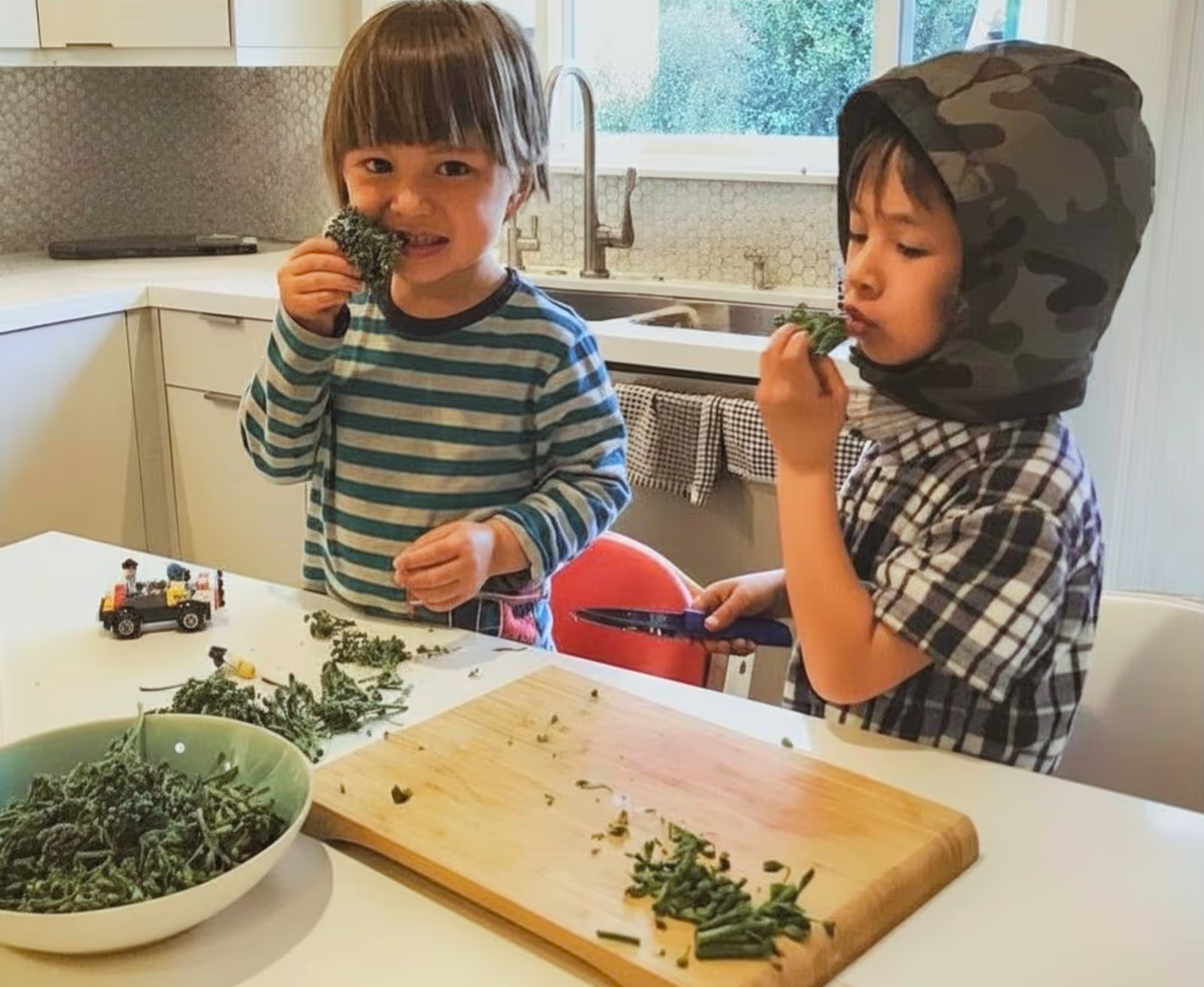
- Have kids help in the kitchen: Ask them to help wash produce, tear or chop ingredients, or select new fruits and veggies from the grocery store. Kids love to help, and they also value the connection with you, which can also help minimize picky eating related to a need for bonding. Prep tip: I taught my kids to hold food in a claw or C shape while cutting. They started at around age 3 with butter knives and serrated plastic knives (the kind with small teeth). As they've gotten older, they use metal knives with me guiding them for safety. I also give them foods like apples already cut in half, so they sit flat and don't roll.
- Offering new foods outside of mealtimes: This can help take the pressure off trying new foods.
Change your food environment:
- Try a packaged food reset. While packaged snacks are fine in moderation, temporarily keeping them out of your home can make it easier to introduce and explore new foods without competition from hyperpalatable snacks.
- Work with schools and sports teams to change food offerings: Sugary treats and snacks are overabundant in preschools, sports teams, and other community settings. Consider discussing healthier options or making policy changes to support a healthy food environment.
Breakfast
Breakfast can be a simple way to add variety to your child's diet, especially since most kids wake up genuinely hungry and ready to eat. You can aim to include two to three savory breakfasts each week, skipping cereals and packaged bars in favor of simple, whole foods. While foods like sausages or cereals can have a place occasionally, I keep them in moderation and focus more on options like eggs, beans, yogurt, and fruit for steady, nourishing protein and fiber. Keeping breakfast simple makes it sustainable and helps set a balanced tone for the rest of the day.
Lunch
Whenever possible, choose minimally processed foods for lunchboxes. Focus on whole foods like vegetables, fresh fruit, and quality protein. Extra servings of soup or chili at dinner make a quick, nourishing thermos lunch the next day. Occasional packaged items, such as a low-sugar bar, yogurt, or trail mix, are fine. But keeping highly processed, hyperpalatable snacks to a minimum can help curb picky eating. Find more inspiration in our bento box lunch blog.
Dinner
Dinner is often the hardest meal for young children to try new foods, since they’re often hungry and tired after a long day. As a parent, you put a lot of effort into preparing nourishing meals, and it can feel discouraging when your children won’t eat them. It’s also the most challenging mealtime to set the boundaries I shared above.
I encourage parents to focus on their role, deciding what, when, and where food is offered, while minimizing any pressure on children to try new foods. Creating a low-stress environment with predictable family mealtime routines helps kids explore new foods when they’re ready [14].
Snacks
Social settings strongly influence our eating habits. Constant snacking has become normalized, and we often eat simply because others around us are eating. Frequent snacking, especially on packaged foods, can dull hunger cues and make healthy eating harder for kids. Even healthy snacks like fruit or nuts can reduce appetite for meals and weaken natural hunger signals.
Establish set mealtimes and boundaries around snacking from the age of one. For older kids, try 3 consistent meal times and 2 scheduled snacks daily to help minimize picky eating.
Healthy meal plans for picky eaters
| Breakfast | Lunch | Dinner | Snacks |
|---|---|---|---|
| Oats or oat bran with boosters: flaxmeal, hemp seeds, chia, grated carrots, applesauce, kefir | Steamed sweet potatoes with cubed chicken | Pasta with tomato sauce - can stir in hummus or blend in bean or steamed veggies to pasta sauce | Smoothie popsicles |
| Tapas style: eggs, sliced cucumbers, carrots, cottage cheese | Hard boiled egg with miso, berries, sunbutter or nut butter sandwich | Ground beef with chopped mushrooms and chopped greens | Guacamole and tortilla chips |
| Chia pudding bowl with berries | Bean and cheese quesadilla (can puree beans for smooth texture) | Chicken with roasted cauliflower and sweet potato fries | Crunchy chickpeas and fruit |
| Guacamole with beans | Hummus tortilla wraps, snap peas, apple slices | Pureed carrot or squash soup - boost with lentils or other veggies before blending | Veggie loaded muffin |
| Pancakes with added greens and seeds | Rice and beans with cauliflower rice, nutritional yeast | Boosted mac and cheese - add miso paste or cottage cheese to plain pasta | Apples with sunbutter or nut butter |
| Fruit smoothies with kefir, greens, seeds, and nuts | Yogurt with fruit, chicken or sliced beef, steamed broccoli topped with ranch dip | Pizza night! Have kids chop their own toppings like bell peppers, spinach, and olives | Popcorn and cheese or trail mix |

9 tips to boost meals
When working to increase dietary diversity for picky eaters, I encourage families to continue offering vegetables and other nutrient-dense foods in their whole form. Repeated exposure is important for children during this stage. At the same time, you can boost foods they already enjoy with some healthy additions.
Here are my favorite ways to boost meals:
- Soups: a pureed veggie soup, like carrot or butternut squash, is a great entry point for serving soups to picky eaters. For toddlers, serving pureed soups with a straw helps engage the senses.
- Smoothies: add greens, nuts and seeds, avocado, frozen broccoli or cauliflower. Smoothie leftovers can be frozen into popsicles!
- Pastas: blend beans,steamed veggies, or hummus into the sauce. Swap plain pasta for chickpea, lentil, or other higher-fiber blends. Mix miso paste with butter or olive oil and add to plain pasta or boxed mac and cheese.
- Pancakes/muffins: add greens, seeds, almond flours, or grated veggies into the batter.
- Rice: mix cauliflower rice into regular white rice.
- Ground meat: chop mushrooms and greens, then add them to the ground meat for a fiber boost.
- Serve veggies with a dip: pair broccoli or other veggies with dip to engage your little ones' senses.
- Fermented foods: chop sauerkraut and add to guacamole (or another) dip or blend into smoothies. Mix equal parts miso paste with water, then add to meals like mac and cheese, soups, and rice and beans.
- Hemp and pumpkin seeds: add these seeds to foods for a zinc and iron boost. Blend into a powder and sprinkle into sauces, sandwiches, and oatmeal.
When to seek help for picky eating
Some cases of picky eating are more complex and may reflect an underlying feeding disorder rather than typical developmental food preferences. Avoidant/Restrictive Food Intake Disorder (ARFID), for example, is a feeding and eating disorder characterized by avoidance or restriction of foods. Avoidance may stem from sensory sensitivities to food texture, smell, appearance, or taste; fear of negative consequences such as choking, illness, constipation, or allergic reactions; or a general lack of interest in food and eating [15].
Individuals with ARFID frequently have co-occurring conditions that affect sensory processing, which can influence the sensory experience of eating. ARFID is more commonly seen in children with conditions such as ADHD, autism spectrum disorder, and anxiety. Some children with ARFID may also have a history of gastrointestinal issues, which can increase fear or anxiety around eating [6].
Children with ARFID can get support from their practitioner to ensure they receive sufficient nutrient supplementation. Feeding therapy can also help reintroduce new foods into their diet [16].
Personalized support for your little one
Picky eating is a common phase, but it doesn't have to feel like a battle. With consistent mealtime structure, repeated low-pressure exposure to new foods, and small boosts to meals your child already loves, you can support a more diverse and nourishing diet over time.
If you're curious about how your little one's gut health may be playing a role, a Baby Gut Test for kids under 3 or a Child Gut Test can give you a clearer picture of what's happening inside and help guide your next steps.
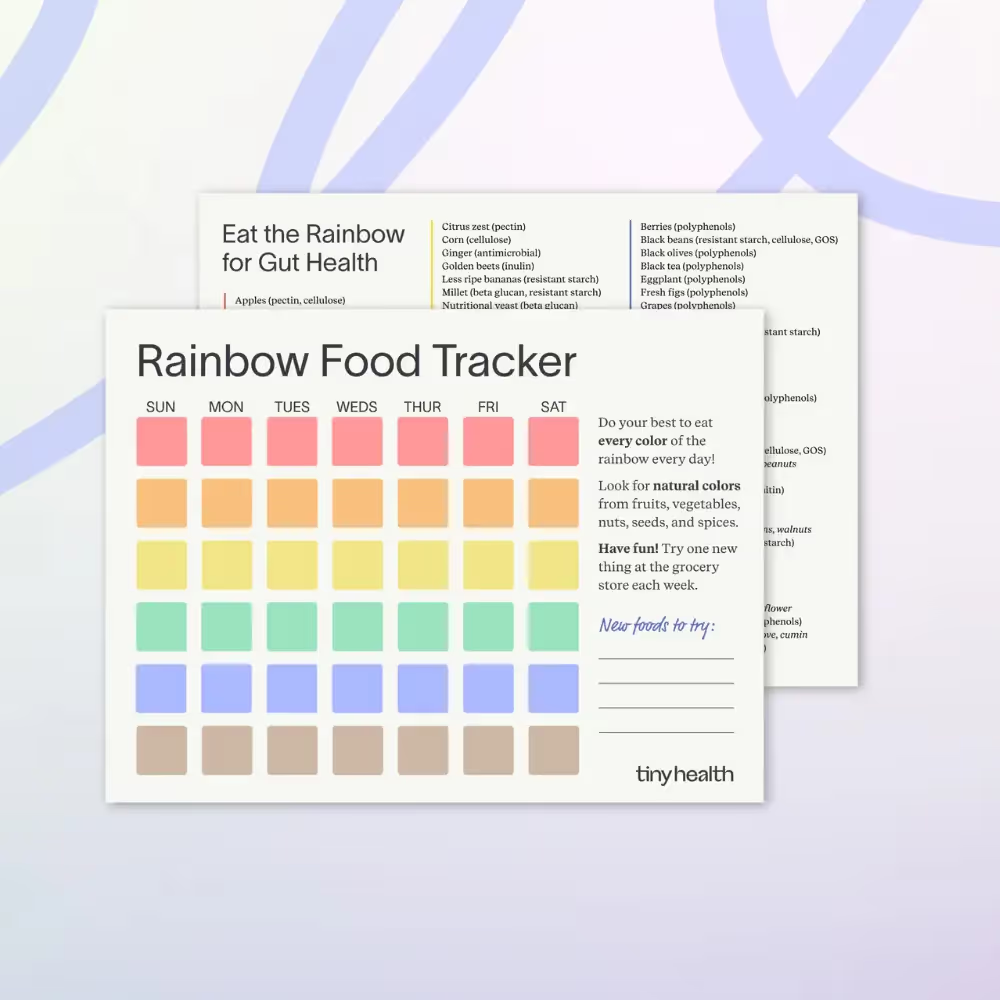
Download our FREE Rainbow Food Tracker
Includes a weekly tracking chart and color-coded list of gut-healthy foods to help your family eat the rainbow every day.

Amy demystifies picky eating for parents with fun and easy tools to build healthy relationships with food.

Dr. Pamela Nieto has over 10 years of experience in basic research and gut and vaginal microbiome test development.
References
References
[1] T. M. Dovey, P. A. Staples, E. L. GIbson, J. C. G. Halford, “Food neophobia and ‘picky/fussy’ eating in children: A review”, Appetite, vol. 50, no. 2-3, p. 181-193, March-May 2008, doi.org/10.1016/j.appet.2007.09.009.
[2] C. E. Breiner, M. M. Knedgen, K. B. Proctor, H. F. Zickgraf, “Relationship between ARFID symptomatology and picky eating onset and duration”, Eating Behaviors, vol. 54, 101900, August 2024, doi.org/10.1016/j.eatbeh.2024.101900.
[3] J. Pereboom, C. Thijs, S. Eussen, M. Mommers, J. S. Gubbels, “Association of picky eating around age 4 with dietary intake and weight status in early adulthood: A 14-year follow-up based on the KOALA birth cohort study”, Appetite, vol 188, 106762, 1 September 2023, doi.org/10.1016/j.appet.2023.106762.
[4] A. K. Leung, V. Marchand, R. S. Sauve, “The ‘picky eater’: The toddler or preschooler who does not eat”, Paediatric & Child Health, vol 18, no 8, p. 455-457, October 2012, doi: 10.1093/pch/17.8.455,
[5] L. T. Chistol, L. G. Bandini, A. Must, S. Phillips, S. A. Cermak, C. Curtin. “Sensory Sensitivity and Food Selectivity in Children with Autism Spectrum Disorder”, Journal of Autism and Developmental Disorders, vol. 48, p. 583-591, February 2018, doi: 10.1007/s10803-017-3340-9,
[6] E. Davis, E. L. Stone, “Avoidant Restrictive Food Intake Disorder - More Than Just Picky Eating: A Case Discussion and Literature Review”, The Journal of Nurse Practitioners, vol. 16, no. 10, p. 713-717, November-December 2020, doi.org/10.1016/j.nurpra.2020.08.011.
[7] V. S. Chmarthi et al., “The impact of ultra-processed foods on pediatric health”, Obesity Pillars, vol. 16 100203, December 2025, doi.org/10.1016/j.obpill.2025.100203.
[8] C. M. Taylor, K. Northstone, S. M. Wernimont, P. M. Emmett, “Macro- and micronutrient intakes in picky eaters: a cause for concern?” The American Journal of Clinical Nutrition, vol. 104, no. 6, p. 1647-1656, December 2016, doi.org/10.3945/ajcn.116.137356.
[9] A. A. Saati, H. M. Adly, “Assessing the Correlation between Blood Trace Element Concentrations, Picky Eating Habits, and Intelligent Quotient in School-Aged Children”, Children, vol. 10, no. 7, p. 1249, July 2023, doi.org/10.3390/children10071249.
[10] H. Chao, J. Lu, C. Yang, P. Yeh, S. Chu, “Serum Trace Element Levels and Their Correlation with Picky Eating Behavior, Development and Physical Activity in Early Childhood”, Nutrients, vol. 13, no. 7, p. 2295, 2021, doi.org/10.3390/nu13072295.
[11] A. H. Sandhu, A. Radhakfrishnan, “Gut Biome-Mediated Barriers to Nutrient Absorption: Investigating the Impact of Dysbiosis”, Microbiology Research, vol. 16, no. 11, 241, 2025, doi.org/10.3390/microbiolres16110241.
[12] K. G. O. Scudine, P. M. Castelo, J. P. M. Hoppe, A. K. Portella, P. P. Silveira, “Early Influences on Development of Sensory and Eating Habits”, Advances in Nutrition, vol 15, no. 12, 100325, December 2024, doi.org/10.1016/j.advnut.2024.100325.
[13] E. Satter, “The Satter Division of Responsibility in Feeding.”
[14] F. Powell, C. Farrow, C. Meyer, E. Haycraft, ‘The importance of mealtime structure for reducing childhood fussiness”, Maternal & Child Nutrition, vol. 13, no. 2, e12296, April 2016, doi: 10.1111/mcn.12296.
[15] J. E. Menzel, T. R. Perry, “Avoidant/Restrictive Food Intake Disorder: Review and Recent Advances”, Focus, vol. 22, no. 3, July 2024, doi.org/10.1176/appi.focus.2024000.
[16] A. Bialek-Dratwa, D. Szymanska, M Grajek, K. Krupa-Kotara, E. Szczpanska, E. Kowalski, “ARFID - Strategies for Dietary Management in Children,” Nutrients, vol. 14, no. 9, p.1739, April 2022, doi: 10.3390/nu14091739.
Related posts



Get $10 OFF to kickstart your microbiome health journey

Get full access to the article
Enter your details below to unlock the rest of this article and receive more insights.
Thank you!
Your request has been received. Access will be granted soon!
Oops! Something went wrong while submitting the form.