The Zen Digester Study
We're exploring how the gut microbiome relates to gas production.
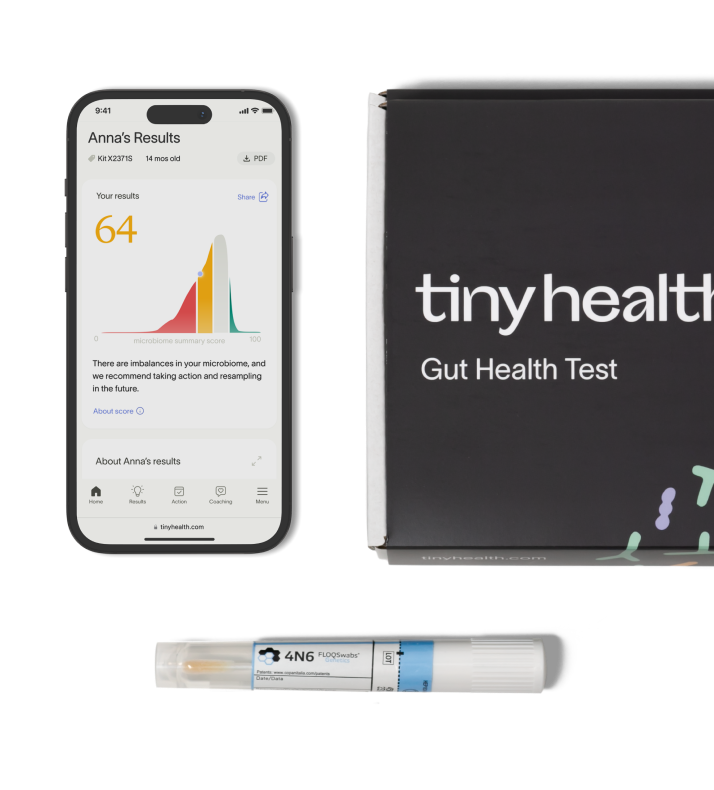
Whether you fart a little or a lot, we need you. Some people eat plenty of fiber with little gas or bloating. We call them zen digesters, and no one knows their secret yet. Join us as we pair Tiny Health’s microbiome testing with Ventos gas measurements to find out whether our gut microbes hold the answer.


Why do some people produce so much gas?
Intestinal gas is one of the most noticeable results of microbial activity in the gut. When gut microbes ferment carbohydrates and fiber, some produce hydrogen and other gases as byproducts [1]. In a controlled-diet study, the highest producer generated 127 times more total gas than
the lowest, despite eating the same defined diet [2]. By pairing Tiny Health shotgun metagenomics with Ventos gas measurements, this study will explore which microbes and microbial functions are associated with higher or lower gas production.
[1] Welsh, et al. 2025; [2] Botasini, e. al. 2025

See what your microbiome may reveal about gas
Join a first-of-its-kind study connecting your gut microbes with continuous measurements of the hydrogen you release in daily life. Get early access to Ventos and Tiny Health’s shotgun metagenomics test at exclusive study pricing. You’ll see when your gas peaks, how you compare with other participants, and whether it matches how you feel. Explore your own microbes and gas patterns side by side while helping scientists understand why some people produce more gas than others.

Am I eligible to participate?
Inclusion criteria
- You are 18 or older, live in the United States, and have access to a compatible smartphone.
- You are willing to wear Ventos about 22 hours per day for at least 3 days.
- You are willing to provide one stool sample and complete brief diet, bowel movement, gas, and symptom logs.
Exclusion criteria
- Antibiotic use within the past 60 days or colonoscopy bowel preparation within the past 30 days.
- Acute gastroenteritis or significant diarrheal illness within the past 30 days.
- Inflammatory bowel disease, active gastrointestinal malignancy, or gastroparesis.
- Prior major gastrointestinal surgery that substantially alters gut anatomy, including bariatric surgery.
- Unable or unwilling to wear Ventos for at least 3 days or provide a stool sample.

Track your baby's microbiome development over time
You can learn the most about your baby’s health and protect against chronic conditions by tracking changes on their gut health over their first 1000 days.
We recommend testing at 7 days old, and every 3 months until your baby is 18 months old.
A Tiny Health subscription gets you:
- Exclusive $30 discount off each test kit
- Your kits delivered when you need them
- Enter your payment details only once
- Pay only when the tests are shipped
- Free shipping
- Skip or cancel anytime
How to join the study
Start by completing the qualification survey. If you qualify, you'll receive instructions to purchase the Research Edition bundle and complete the study activities.
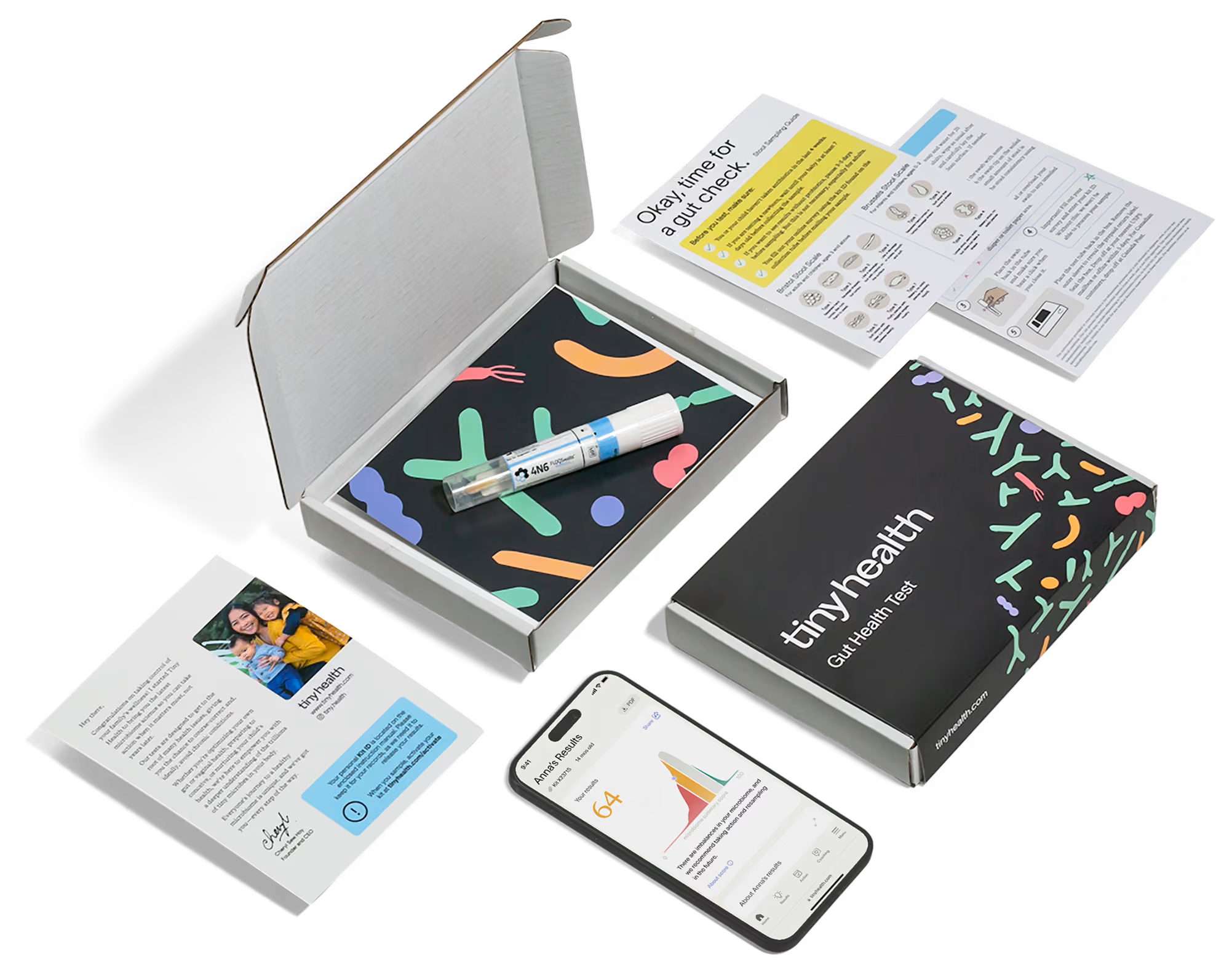
1× Tiny Health Adult Gut Health Test with at-home stool collection
- Shotgun metagenomic analysis of your gut microbiome composition and function
- Tiny Health gut microbiome report with personalized insights
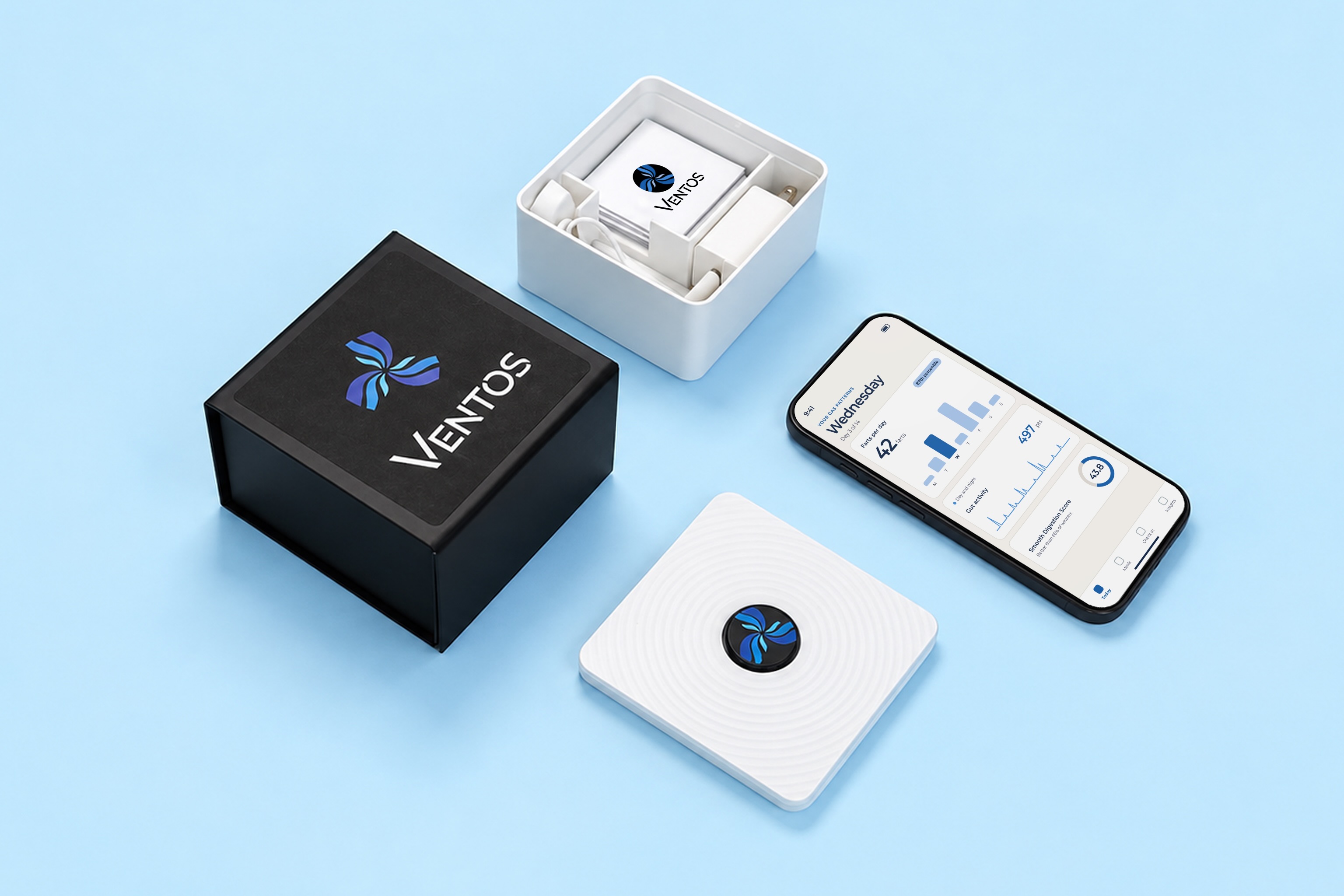
Access to Ventos, a wearable device that measures hydrogen released through flatulence
- At least 3 days of real-world gas measurement during your normal routine
- Contribute to research connecting microbiome features with differences in gas production
1x Mess-free Tiny Health Gut Microbiome stool test to further understand how gut health relates to oral microbiome
- Track essential bacteria that support oral health, metabolic health and fight inflammation
- Gut Health Report with personalized recommendations (delivered in 2-3 weeks)
Tiny Health helps you optimize your health from within
Tiny Health offers microbiome testing for every stage of life, from womb through adulthood. Tiny Health gives individuals personalized insights and evidence-based recommendations to improve lifelong health from the inside out.
Tiny Health’s mission is to improve health outcomes of future generations through evidence-based insights.
Making intestinal gas measurable
Founded by University of Maryland scientists, Ventoscity built Ventos, the first wearable to continuously measure hydrogen released through flatulence. Worn discreetly on your underwear, it reveals everyday gas patterns that were previously impractical to measure in daily life. More than 14,000 people signed up for our Human Flatus Atlas. Our goal is Zen Digestion for everyone: the freedom to enjoy a diverse, plant-rich diet without excessive gas or discomfort.
From your research question to published evidence.
See if you qualify
- Complete the short qualification survey to confirm that you meet the study criteria.
- If eligible, purchase the Research Edition bundle and receive your Tiny Health test and Ventos device.
- Complete brief health, diet, bowel movement, gas, and symptom questionnaires.
- Follow the study instructions for timing your stool sample and Ventos wear period.
Complete your at-home study activities
- Collect one stool sample during or just after your Ventos monitoring.
- Wear Ventos about 22 hours per day for at least 3 days, removing it briefly to charge.
- Complete brief diet, bowel movement, gas, and symptom logs during the monitoring period.
- Return your Tiny Health sample using the prepaid mailer and sync your Ventos data as instructed.
Receive your Tiny Health results and contribute to research
- Your Tiny Health sample will be analyzed using shotgun metagenomic sequencing.
- Your report will include detailed insights into your gut microbiome and microbial functions.
- Your de-identified microbiome and Ventos data will be combined for the study analysis.
- Together, these data may help explain why gas production varies so dramatically between people.
How do we look at the microbiome?

High resolution analysis
We use shotgun metagenomics to analyze your sample. Make informed decisions with a comprehensive list of microbes found in your sample.

Functional insights
Through functional profiling, we tell you what microbes are present, how much of them are there, and what they’re actually doing.

Targeted suggestions
Get actionable advice tailored to your age and unique test results. Our at-home tests empower you with strain-level detail and precision science.

Your privacy comes first
We are dedicated to safeguarding your personal information at every turn and we will never sell your personal information.

CLIA & CAP certified lab
Your samples are processed at a U.S. clinical-grade lab with CLIA and CAP certifications to ensure the accuracy, reliability, and timeliness of test results.
Meet our supporters:
Medical Advisors

Integrative Pediatrician and Pediatric Functional Medicine Expert
Founder, Healthy Kids Happy Kids

Executive director, G. Oppenheimer Center for Neurobiology of Stress and Resilience, UCLA; Author of The Mind-Gut Connection

Ruben Mars is an Assistant Professor of Medicine at Mayo Clinic in Rochester, Minnesota.

Associate Professor of Epidemiology, Johns Hopkins University

Board-Certified Pediatrician, Creator of Raising Amazing Podcast

Medical Advisor; Practicing OB/GYN Hospitalist Physician, Creator and Host of The All About Pregnancy & Birth Podcast

Associate Clinical Professor, UCSF; Pediatrician and former Chief Innovation Officer, Kaiser Permanente

Professor Emeritus of Microbiology & Immunology, Cornell University

We're exploring how the gut microbiome relates to gas production.
Frequently Asked Questions
What is the cost and time commitment?
The research edition bundle is $349. Participation includes one Tiny Health stool sample, at least 3 days of Ventos wear, and brief online questionnaries and logs. You'll need a compatible smartphone and should plan to wear Ventos for about 22 hours per day during the monitoring period.
Do I need to have a lot of gas to participate?
No. We're looking for adults across the full range of gas production, including people who experience very little gas, typical amounts, or a lot of gas, especially after fiber-rich or fermentable foods.
Why do I need to wear Ventos for multiple days?
Gas production can vary from day to day. Wearing Ventos for at least 3 days gives researchers a more useful picture of your typical real-world gas production.
When should I collect my stool sample?
The study is designed for the stool sample to be collected during or immediately after the Ventos monitoring window so the two measurements reflect a similar period.