Bloating, irregular digestion, or gut issues without a clear explanation? Oxygen levels in your colon might be a missing piece. Your gut relies on a low-oxygen environment to keep beneficial bacteria thriving and inflammation and imbalances in check. Tiny Health's Oxygen exposure index (v.5 and above) reveals how your gut is handling this balance — and what you can do about it.
Your gut is home to trillions of microbes that play a big role in your health. But did you know that the amount of oxygen in your gut actually shapes which microbes thrive there?
Your colon environment naturally has very little oxygen. This low oxygen level is important because it helps certain beneficial bacteria thrive [1]. These bacteria keep your gut healthy by producing substances that nourish your gut lining and support your immune system.
When this low-oxygen balance is disrupted, oxygen-loving microbes can move in and crowd out the beneficial ones. This can lead to gut imbalances and even inflammation. Tiny Health’s Oxygen exposure index helps measure how much oxygen your gut is exposed to. Let’s explore why it matters so much and how your body and microbes work together to keep things balanced.
Why does my gut have so little oxygen?
Your colon lives in a state called physiological hypoxia, meaning it naturally has very low oxygen levels [1]. It might sound strange because we usually think of oxygen as essential, but in your colon, low oxygen is actually a good thing.
The cells lining your gut use oxygen as part of their normal activity [1]. When they consume energy, especially in the form of the short-chain fatty acid butyrate, produced by certain gut bacteria, they consume a lot of oxygen, keeping the levels around them low.
This is important because many beneficial gut bacteria, known as anaerobes, can survive only in the absence of oxygen [1]. So, low oxygen is one way your body supports a healthy, balanced gut microbiome.
What is butyrate, and why is it so important for oxygen levels?
Butyrate is a short-chain fatty acid made by certain bacteria in your gut, especially those anaerobes that avoid oxygen [2]. Think of butyrate as the super fuel for your colon cells.
When your gut lining cells burn butyrate for energy, this uses up oxygen [1]. This process helps keep oxygen levels low in your gut barrier, maintaining the low-oxygen environment that favors the growth of beneficial bacteria.
Butyrate does more than just fuel colon cells. It also signals these cells to rely more on fat oxidation for energy, further increasing their oxygen consumption [3]. Additionally, butyrate stabilizes proteins that help maintain a strong, healthy gut barrier [4].
Put simply, butyrate helps create a cycle that keeps oxygen low, allowing beneficial bacteria to thrive and keeping your gut lining healthy. But this balance depends on having enough butyrate-producing bacteria. A reduction in these microbes, perhaps due to a round of antibiotics, and your colon cells burn less butyrate and use less oxygen [5], [6]. That allows oxygen to build up in your gut, changing which microbes can survive.
Which bacteria thrive in a low-oxygen environment, and what do they do for me?
Your gut hosts many helpful bacteria that prefer low oxygen. Here are some important ones and a little about what they do [7]:
Faecalibacterium prausnitzii produces butyrate to keep your gut healthy and helps regulate your immune system.
Bacteroides thetaiotaomicron breaks down complex fibers, supports digestion, and helps protect your gut lining.
Bacteroides fragilis makes molecules that keep your immune system balanced and calm inflammation.
Akkermansia muciniphila supports the gut lining and helps control inflammation.
Together, these bacteria maintain a healthy gut ecosystem, protect your gut barrier, and support your overall health.
How does inflammation affect oxygen in my gut?
When your gut is inflamed, your immune system releases reactive molecules to fight infections. These molecules can raise oxygen levels in the gut and produce compounds that affect the growth of beneficial bacteria [8], [9].
At the same time, inflammation can directly disturb butyrate-producing bacteria—one of the gut’s main ways to keep oxygen low. This shift allows oxygen-loving bacteria, called aerobes, to take over. These unfriendly bacteria are mostly within the Enterobacteriaceae family, such as Escherichia coli and Citrobacter rodentium [10].
Higher oxygen levels from inflammation or other disruptions also hinder protective proteins and cells that normally keep inflammation in check [11]. This sets off a cycle in which inflammation raises oxygen levels, which feeds unfriendly bacteria, leading to even more inflammation.
Which bacteria like oxygen, and why can that be a problem?
Some bacteria, especially those in the Enterobacteriaceae group like Escherichia coli and Salmonella, can use oxygen or other molecules produced during inflammation to grow quickly [5], [8], [12].
While some of these bacteria are normal gut residents, when oxygen levels rise, they can multiply quickly. This is often because the microbes that normally keep oxygen low have been depleted. When that happens, the overgrowth can throw off your gut microbiome, triggering infections, inflammation, and digestive symptoms [13].
For example, Salmonella can take advantage of both antibiotics and inflammation to increase oxygen availability in the gut, allowing it to expand rapidly and make infections more severe [5].
How can I help keep my gut oxygen levels low?
The science behind gut oxygen is nuanced, but there are simple ways to make a difference. You have more control than you might think! Here are some dietary and lifestyle choices that support a healthy low-oxygen environment in your gut:
Reduce inflammation with polyphenols: Coffee and tea, chocolates, fruits, and nuts all contain polyphenols that help lower inflammation
Be mindful about antibiotics: Sometimes, they’re essential. They can wipe out beneficial bacteria, though, so only take them when it’s necessary
Where to find and understand your Oxygen exposure indexin your results
Curious how we measure something like oxygen in your gut? We estimate your gut's oxygen exposure by analyzing the types of bacteria present and whether they favor low- or high-oxygen environments. From that full picture of your microbiome, we calculate your Oxygen exposure index.
If you've already taken an adult or child Gut Health Test (version 5 or higher), here’s how to find the Oxygen exposure index in your results.
Go to your Results page, and click “See all metrics”
Scroll down to the “Gut Barrier & Inflammation” category
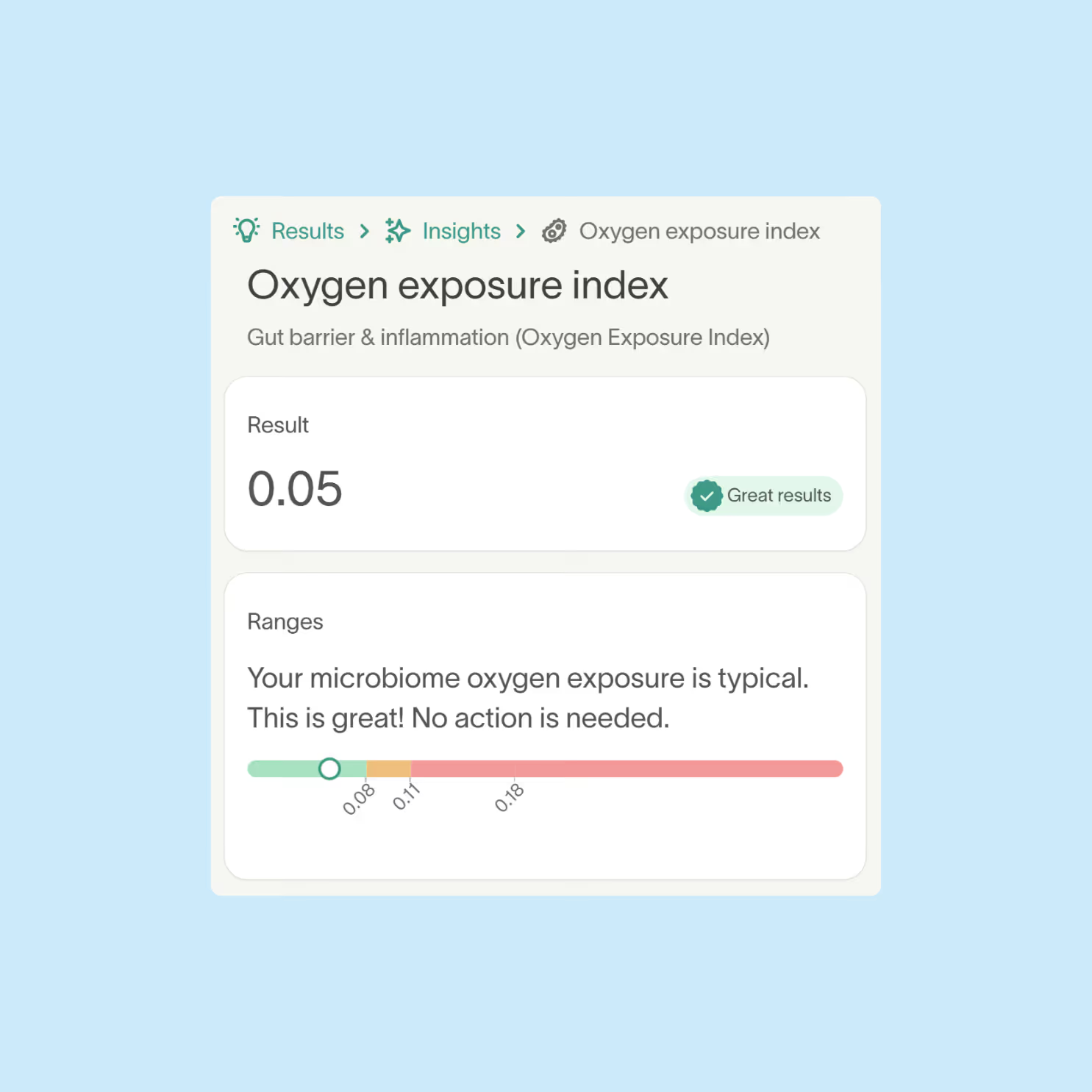
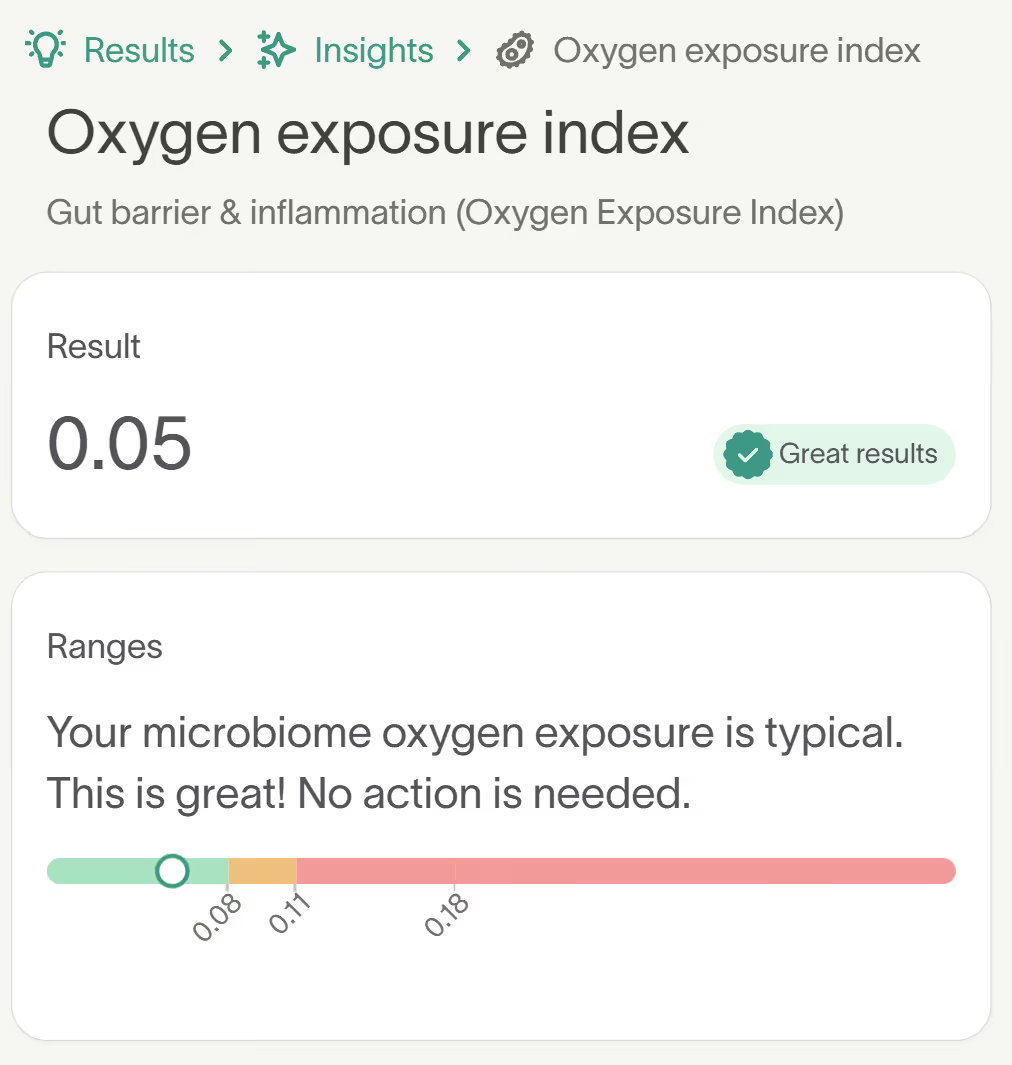
Click on “Oxygen exposure index”
A score of 0.05 indicates the colon's low-oxygen environment is supporting friendly bacteria.
What your results mean
A low Oxygen exposure index suggests your gut is maintaining the low-oxygen environment beneficial bacteria need to function optimally and support a healthy gut lining.
A high Oxygen exposure index suggests oxygen levels are tipping the balance toward unfriendly microbes and gut inflammation.
If your results suggest higher oxygen exposure, don’t panic. This simply reflects how your microbiome is functioning right now. Your personalized Action Plan will help translate these insights into everyday choices that can support a more balanced gut environment. All guidance is science-based, carefully reviewed, and specific to your unique microbiome.
Haven’t taken a gut test, but curious about your gut’s oxygen exposure?
If you suspect inflammation might be affecting your gut, or just want to stay ahead of gut barrier issues before they start, our Adult Gut Health Test takes the guesswork out of what's going on in your microbiome. Learn which bacteria are thriving and how well your gut maintains its low-oxygen environment. Plus, you’ll get a personalized Action Plan to help you take meaningful steps toward better health.
Trust your gut.
Get to know your microbes with an easy, 5-minute at-home test from Tiny Health. Unlock deep gut health insights and personalized recommendations for your diet, supplements, and lifestyle.
Dr. Hannah Sturgeon, a Neuroscience Ph.D. from Georgia State University, specializes in microbiome research with expertise in early gut-brain-immune development.



.avif)