Discover what an at-home gut microbiome test checks, how it works, and what to look for when choosing one. From diversity scores to strain-level analysis and leaky gut markers, find out how advanced metagenomic sequencing gives you actionable insights about your gut health.
Gut Microbiome Test at Home: What It Checks and How It Works
Summary
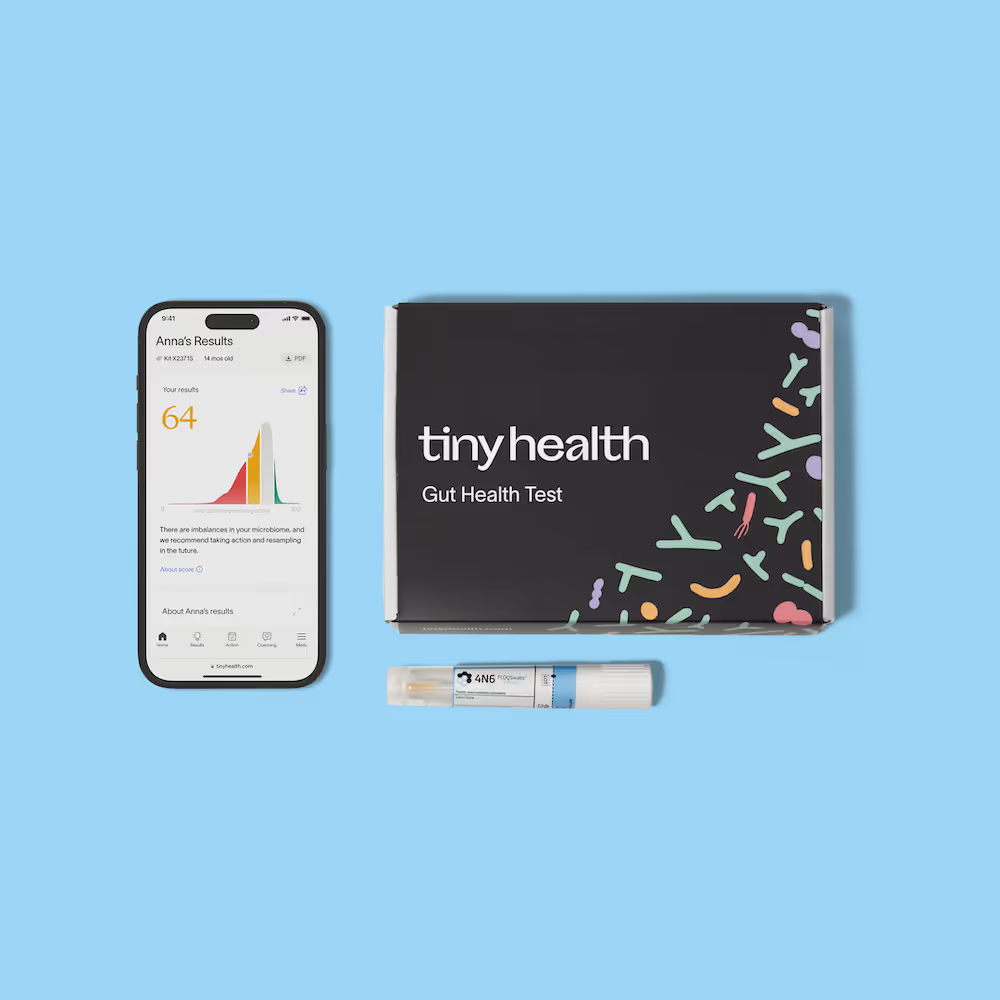
More and more people are turning to at-home gut health tests to understand what’s really going on inside their microbiome. No doctor’s* referral or appointment needed, you can skip the office visit and take the test when it’s convenient for you.
Our scientifically-backed at-home gut microbiome tests are the most advanced on the market [1]. They’re also easy to use and can be done in under 5 minutes.
We’ll walk you through what these tests evaluate, how the process works, and what to look for when choosing the right one for you and your family.
Can you really test your gut health at home?
Yes, and the science behind our tests is solid. Tiny Health’s at-home stool tests use the same type of technology you’d find in a clinical setting. You collect a small stool sample using a kit mailed to your house, send it back in a prepaid mailer, and a certified laboratory processes it using advanced DNA sequencing technology.
The key difference from older methods, like qPCR, is the technology. A high-quality at-home gut test uses shotgun metagenomics, which reads all the microbial genetic material in your sample rather than just a small fragment. This method identifies bacteria, fungi, viruses, and parasites at the species and strain level, giving you a far more detailed snapshot than a standard culture-based lab test.
.png)
The combination of convenience and scientific rigor makes modern gut health test kits a practical choice for adults seeking clinical insights and data on their microbiome.
What does an at-home gut microbiome test check?
A high-quality at-home gut microbiome test like Tiny Health evaluates several areas of your microbiome health. Here’s what you can expect to learn from your results.
Microbial diversity score
Diversity refers to the variety of microbial species living in your gut. Research consistently links higher microbial diversity with better overall wellness [2]. Your test report will include a diversity score that shows how your microbiome compares to a healthy reference population of similar age. A lower score may signal that your gut community is less resilient, meaning it may be more affected by changes like diet or antibiotics.
Strain-level bacterial analysis
Beyond just identifying broad categories of bacteria, advanced testing pinpoints specific strains. This matters because two people can carry the same species, yet have very different health profiles depending on which strains are present. Your report will highlight beneficial bacteria like Bifidobacterium and Lactobacillus [3], as well as potentially unfriendly organisms that may be overgrown.
Composite gut health score
Many tests combine multiple data points into a single overall score that gives you a quick snapshot of where your microbiome stands. This composite score typically factors in diversity, the balance between beneficial and potentially disruptive microbes, and key functional markers. It's a helpful starting point for understanding your results at a glance before exploring the details.
Age-specific and life stage insights
Your microbiome looks different at every stage of life, and a good test accounts for that. What's considered a healthy microbial profile for a toddler won't match what's optimal for a pregnant adult or someone in their 60s. Reports that include age-specific benchmarks give you a more accurate picture of how your results compare to others in a similar life stage, rather than a one-size-fits-all reference range.
Functional pathways
Beyond identifying which microbes are present, some tests also look at what those microbes are doing or what they are capable of doing. Functional pathway analysis examines microbial genes involved in processes like producing short-chain fatty acids, synthesizing vitamins, and metabolizing fiber. This layer of insight helps explain not just who's living in your gut, but how they may be influencing your digestion, energy, and overall wellness.
Condition associations
Your report may also flag microbial patterns that researchers have linked to specific health concerns, such as digestive issues, skin conditions, or metabolic imbalances. These aren't diagnoses, but they highlight areas worth paying attention to and discussing with your practitioner. Seeing which associations show up in your results can help you and your provider focus on the most relevant next steps.
Red flags for leaky gut
Increased intestinal permeability (a.k.a. leaky gut) occurs when your gut lining is compromised and allows microbial products and food antigens to slip into your bloodstream and interact with your immune system [4].
Some daily habits may put extra strain on your gut barrier. A low-fiber diet high in ultra-processed foods, chronic stress, frequent alcohol consumption, and prolonged use of medications like NSAIDs have all been associated with reduced barrier function [5]-[9]. You may not notice anything obvious, or you might experience persistent bloating, food sensitivities, skin flare-ups, or fatigue that doesn't seem to have a clear explanation.
The challenge is that these symptoms overlap with many other conditions, so the only way to get a clearer picture of what's happening at the microbial level is to test. A gut microbiome test can reveal patterns linked to reduced barrier function, such as low Akkermansia muciniphila or fewer butyrate-producing bacteria like Faecalibacterium prausnitzii. Both help maintain the mucus layer and support intestinal cells [10]-[12]. These findings aren't diagnostic, but they may indicate that your gut's barrier is less resilient than ideal.
Can you address leaky gut at home?
If your Tiny Health Gut Health Test flags metrics that affect gut barrier integrity, your Action Plan will include targeted steps to support it.
Your gut microbiome plays a central role in maintaining barrier integrity, and shifts in microbial composition have been linked to weakened barrier function and inflammation [4], [13]. Lower levels of short-chain fatty acid–producing bacteria, increased abundance of pro-inflammatory microbes, and reduced microbial diversity can reflect a gut environment that is less supportive of a healthy barrier.
Tiny Health has three Gut Inflammation markers that, when elevated, can signal issues with your gut barrier and inflammation. For example:
Hexa-LPS Index measures how much LPS—an inflammatory molecule made by certain gut bacteria —your gut may be exposed to. High levels can signal an increased risk of inflammation, especially if the gut barrier is weakened [14], [15].
Mucus Degradation Index reveals if your protective mucus lining is at risk of being worn down, leaving your gut wall exposed [5].
Hydrogen Sulfide Index means excess gas production, which can irritate your gut lining and drain cellular energy [16].
If your results flag these imbalances, practical steps like increasing fiber intake, incorporating fermented foods, supporting stress regulation, and taking targeted probiotics can help restore balance. Retesting after a few months can help assess whether these changes are supporting improvements in your microbiome. Always consult your practitioner before starting a new wellness protocol.
Candida, parasites, and opportunistic organisms
A thorough at-home stool test also screens for organisms that tend to be disruptive in high amounts. Candida, certain parasitic infections, and opportunistic bacteria are all detectable through shotgun metagenomic sequencing. Identifying these early gives you and your healthcare practitioner a clearer picture when building a gut health plan.
Types of gut health tests you can take at home
Not all gut tests work the same way. Here’s a comparison of the most common options available.
Types of At-Home Gut Health Tests
| Test Type | What It Measures | Scientific Reliability |
|---|---|---|
| Gut microbiome test (stool) |
Microbial diversity, strain-level bacteria, candida, parasites, and functional pathways | Yes, if samples are processed in a CLIA-certified, CAP-accredited lab using shotgun metagenomic sequencing |
| Breath test (SIBO) | Small intestinal bacterial overgrowth markers | Moderate (interpretation varies) |
| Food sensitivity blood test (finger prick) |
IgG antibody reactions to specific foods | Debated among researchers |
| Organic acids test (OAT) (urine) |
Metabolic byproducts of bacteria and yeast | Yes (for specific markers) |
| DIY transit-time test (no kit needed) | Gut motility/how fast food moves through your system | Rough estimate only |

How to test your gut microbiome at home (step-by-step)
The process is simpler than most people expect. Here’s how a Tiny Health at-home gut microbiome test works from start to finish.
- Order a gut health test kit.
- Your kit will arrive with everything you need: a collection device, instructions, and a prepaid return mailer. Most kits are designed for mess-free collection.
- Collect your stool sample. Follow the included instructions to gather a small sample. The process typically takes a few minutes and doesn’t require any special preparation.
- Mail it to the lab. Seal your sample in the provided container and drop it in the mail. Certified laboratories process DNA extraction and sequencing.
- Receive your personalized report. Within a few weeks, you’ll get a detailed breakdown of your gut microbiome, including diversity scores, organism identification, and actionable insights.
- Review your probiotic, diet, and lifestyle recommendations based on your unique microbial profile.
What to do when you get your results back
Think of your report as a roadmap. If your diversity score is low, your Action Plan may recommend gradually increasing fiber-rich foods like vegetables, legumes, and whole grains. When beneficial strains are flagged as depleted or non-existent, we’ll share targeted probiotic recommendations tailored to your needs. No more guessing or grabbing a generic supplement off the shelf in the hopes it will ease one of your symptoms, like bloating.
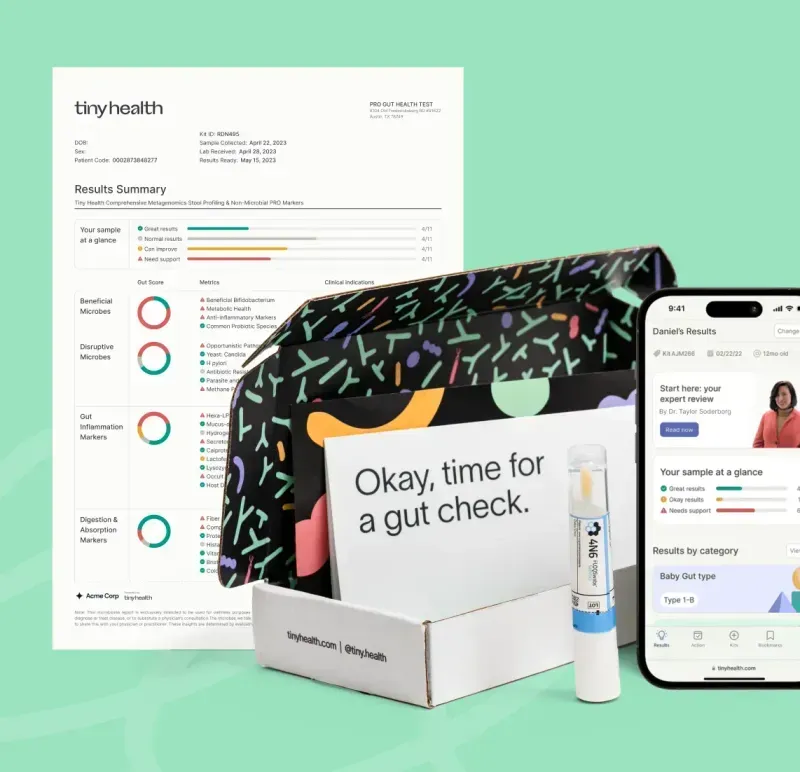
If you're working with a healthcare practitioner and want a deeper look, ask about our PRO Gut Health Test. It includes stool chemistry markers like calprotectin and secretory IgA. It provides additional insights into gut inflammation, absorption, and your immune response that a standard at-home kit may not cover.
Many people also benefit from working with a registered dietitian who can translate the data into a personalized meal plan. You can schedule a retest in three to six months to track your progress.
8 signs you may want to take a home gut health test

You don’t need a specific diagnosis to benefit from testing. Many adults order a gut microbiome home test simply to establish a baseline. That said, certain signals may indicate that a closer look at your microbiome could be especially helpful. Here are 8 signs you may want to consider taking an at-home gut health test.
- Persistent bloating and gas that doesn’t resolve with dietary adjustments
- Irregular bowel habits such as ongoing constipation, diarrhea, or alternating between both
- Skin conditions like eczema that may be connected to gut imbalances
- Food intolerance signs, including discomfort after eating certain foods
- Post-antibiotic recovery, since antibiotics can significantly shift your microbiome balance
- Low energy or brain fog that persists without a clear explanation
- IBS symptoms such as cramping, urgency, or abdominal discomfort
- Curiosity about your overall gut wellness, even without specific digestive issues
What makes the best at-home gut microbiome test?
With a growing number of options on the market, knowing what separates a high-quality test from a basic one is important. Most at-home gut microbiome tests range from $150 to $300, depending on sequencing depth and the level of personalization included. Here are the features worth prioritizing.
Features to Look for in a Gut Microbiome Test
| Feature | Why It Matters |
|---|---|
| Shotgun metagenomic sequencing | Identifies organisms at the strain level, far more detailed than 16S rRNA or PCR panels |
| Clinically validated methodology | Confirms that the laboratory follows rigorous quality standards, such as CLIA or CAP |
| Species and strain-level resolution | Distinguishes between helpful and potentially disruptive variants of the same species |
| Functional profiling | Identifies which microbial genes are present, revealing how your microbiome can break down fiber, produce vitamins, support immune function, and more. And how what's in your gut may influence your health. |
| Age-specific insights | These comparisons contextualize your results, enabling precise life stage recommendations for precision gut care. |
| Action plan | Evidence-backed personalized food, lifestyle, and supplement recommendations based on your results, with prioritized next steps |
| Microbiome specialist support available | Access to work 1-on-1 with a microbiome expert who can help you better understand your results and next steps |
| Independent supplement recommendations | Look for a company that doesn't sell its own supplements or earn commissions on the ones they recommend, so every suggestion is based on your results, not their revenue |
| Easy-to-understand reports | Makes complex science accessible so you can make informed decisions about your gut health |
How can I test my gut health at home with confidence?
Instead of guessing based on symptoms alone, advanced at-home gut microbiome testing from Tiny Health provides measurable insights backed by shotgun metagenomic sequencing. Every Tiny Health report includes a detailed breakdown of your microbial community, strain-level identification, and personalized next steps developed by a team of microbiome researchers.
“We use shotgun metagenomics—the most advanced method for clinical microbiome testing—to quantify abundance down to 0.005% and reveal not just what's in your gut, but what it's doing”, says Dr. Kimberley Sukhum, Head of Science at Tiny Health.
Whether you’re managing digestive issues, recovering after antibiotics, or simply wanting to understand your gut better, Tiny Health’s at-home test gives you the clarity and support you need to make informed decisions and positive changes in your life.
Trust your gut.
Get to know your microbes with an easy, 5-minute at-home test from Tiny Health. Unlock deep gut health insights and personalized recommendations for your diet, supplements, and lifestyle.
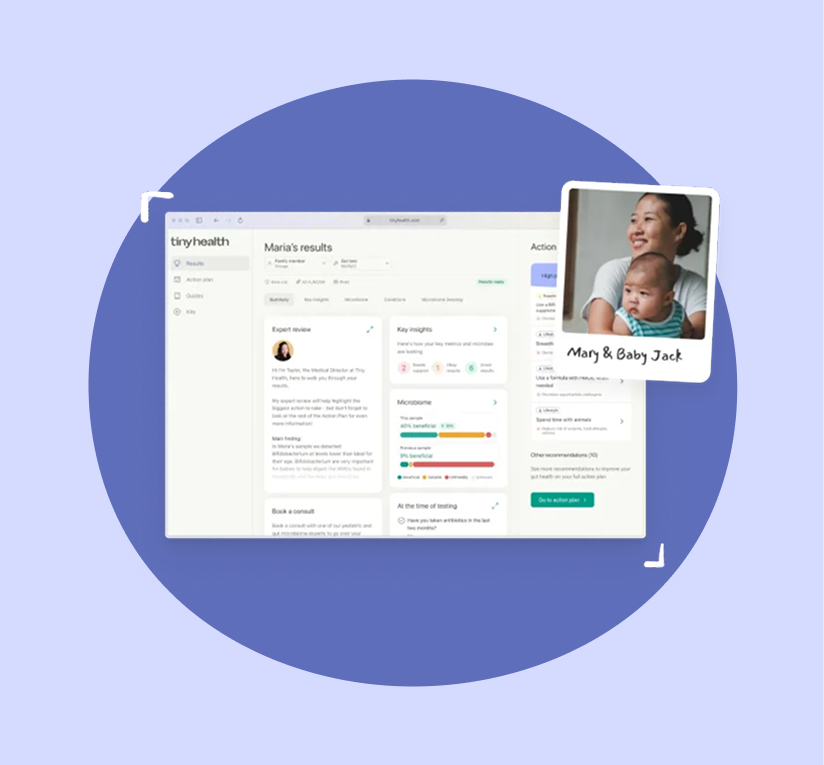
Get Your Personalized Gut Health Plan
Answer a few questions and receive tailored recommendations, plus $20 off.

Dr. Harold Nunez, a Medical Technologist and Ph.D. holder, specializes in microbiome research with over 10 years of experience.

Dr. Pamela Nieto has over 10 years of experience in basic research and gut and vaginal microbiome test development.
References
References
[1] S. Porcari et al., “International consensus statement on microbiome testing in clinical practice,” Lancet Gastroenterol. Hepatol., vol. 10, no. 2, pp. 154–167, Feb. 2025.
[2] M. Van Hul, P. D. Cani, C. Petitfils, W. M. De Vos, H. Tilg, and E. M. El-Omar, “What defines a healthy gut microbiome?,” Gut, vol. 73, no. 11, pp. 1893–1908, Oct. 2024.
[3] B. Sarita, D. Samadhan, M. Z. Hassan, and E. G. Kovaleva, “A comprehensive review of probiotics and human health-current prospective and applications,” Front. Microbiol., vol. 15, p. 1487641, 2024.
[4] M. F. Neurath, D. Artis, and C. Becker, “The intestinal barrier: a pivotal role in health, inflammation, and cancer,” Lancet Gastroenterol. Hepatol., vol. 10, no. 6, pp. 573–592, June 2025.
[5] M. S. Desai et al., “A dietary fiber-deprived gut Microbiota degrades the colonic mucus barrier and enhances pathogen susceptibility,” Cell, vol. 167, no. 5, pp. 1339-1353.e21, Nov. 2016.
[6] D. Rondinella et al., “The detrimental impact of ultra-processed foods on the human gut microbiome and gut barrier,” Nutrients, vol. 17, no. 5, p. 859, Feb. 2025.
[7] S.-J. Leigh et al., “The impact of acute and chronic stress on gastrointestinal physiology and function: a microbiota-gut-brain axis perspective,” J. Physiol., vol. 601, no. 20, pp. 4491–4538, Oct. 2023.
[8] C.-H. Kuo, L.-L. Wu, H.-P. Chen, J. Yu, and C.-Y. Wu, “Direct effects of alcohol on gut-epithelial barrier: Unraveling the disruption of physical and chemical barrier of the gut-epithelial barrier that compromises the host-microbiota interface upon alcohol exposure,” J. Gastroenterol. Hepatol., vol. 39, no. 7, pp. 1247–1255, July 2024.
[9] D. Maseda and E. Ricciotti, “NSAID-gut Microbiota interactions,” Front. Pharmacol., vol. 11, p. 1153, Aug. 2020.
[10] R. M. R. A. Effendi et al., “Akkermansia muciniphila and Faecalibacterium prausnitzii in Immune-Related Diseases,” Microorganisms, vol. 10, no. 12, p. 2382, Nov. 2022.
[11] V. Singh et al., “Butyrate producers, ‘The Sentinel of Gut’: Their intestinal significance with and beyond butyrate, and prospective use as microbial therapeutics,” Front. Microbiol., vol. 13, p. 1103836, 2022.
[12] C. Mo et al., “The influence of Akkermansia muciniphila on intestinal barrier function,” Gut Pathog., vol. 16, no. 1, p. 41, Aug. 2024.
[13] F. Valitutti et al., “Intestinal permeability, food antigens and the microbiome: a multifaceted perspective,” Front. Allergy, vol. 5, p. 1505834, 2024.
[14] S. H. Rhee, “Lipopolysaccharide: basic biochemistry, intracellular signaling, and physiological impacts in the gut,” Intest Res, vol. 12, no. 2, pp. 90–95, Apr. 2014.
[15] S. S. Ghosh, J. Wang, P. J. Yannie, and S. Ghosh, “Intestinal Barrier Dysfunction, LPS Translocation, and Disease Development,” J Endocr Soc, vol. 4, no. 2, p. bvz039, Feb. 2020.
[16] A. G. Buret, T. Allain, J.-P. Motta, and J. L. Wallace, “Effects of Hydrogen Sulfide on the Microbiome: From Toxicity to Therapy,” Antioxid Redox Signal, vol. 36, no. 4–6, pp. 211–219, Feb. 2022.
Related posts

.avif)
Get $10 OFF to kickstart your microbiome health journey