Poor gut health, known as dysbiosis, can shape how you feel day to day, from digestion and energy to mood and skin. When microbial balance shifts, symptoms may show up in subtle, overlapping ways. Everyday habits like diet, sleep, stress, and movement play a role, and small, consistent changes can help support a healthier microbial balance over time.
Signs of Poor Gut Health: How to Know If Your Gut Is Unhealthy
Summary
Bloating after meals. Energy that tanks by mid-afternoon. Skin that hasn't looked quite right in weeks. Separately, these seem like annoying and unrelated things. But together, they might be pointing back to the same place: your gut.
When the trillions of microorganisms in your gut microbiome fall out of balance, the ripple effects can show up across your entire body, including your immune system and your ability to bounce back after a cold or flu.
Recognizing the signs of poor gut health is the first step toward feeling better. In this post, we'll share common symptoms of microbial imbalance, what's behind each one, and simple daily tips to support your microbiome so you can feel your best.
What is poor gut health?
Your gut hosts a vast community of bacteria, fungi, and other microbes collectively known as the gut microbiome. When that ecosystem is balanced, with a wide variety of beneficial species working together, digestion runs smoothly, your immune system performs optimally, and you generally feel good.
When that balance shifts for the worse, it can look like poor gut health. You might hear this referred to as gut dysbiosis, a state where less helpful or potentially harmful microbes start to outnumber the beneficial ones. This imbalance can disrupt nutrient absorption, immune function, and even communication through the gut-brain axis. Because your gut is connected to nearly every major system in your body, the symptoms don't always look the way you'd expect.
Gut health symptoms can also vary between individuals, including differences linked to sex hormones, metabolism, and immune responses. For a deeper look on this patterns, explore:
- Signs of Poor Gut Health in Women, which examines how hormonal changes may shape the microbiome
- Signs of Poor Gut Health in Men, which explores gut health patterns linked to male physiology and aging
What are the signs of poor gut health?
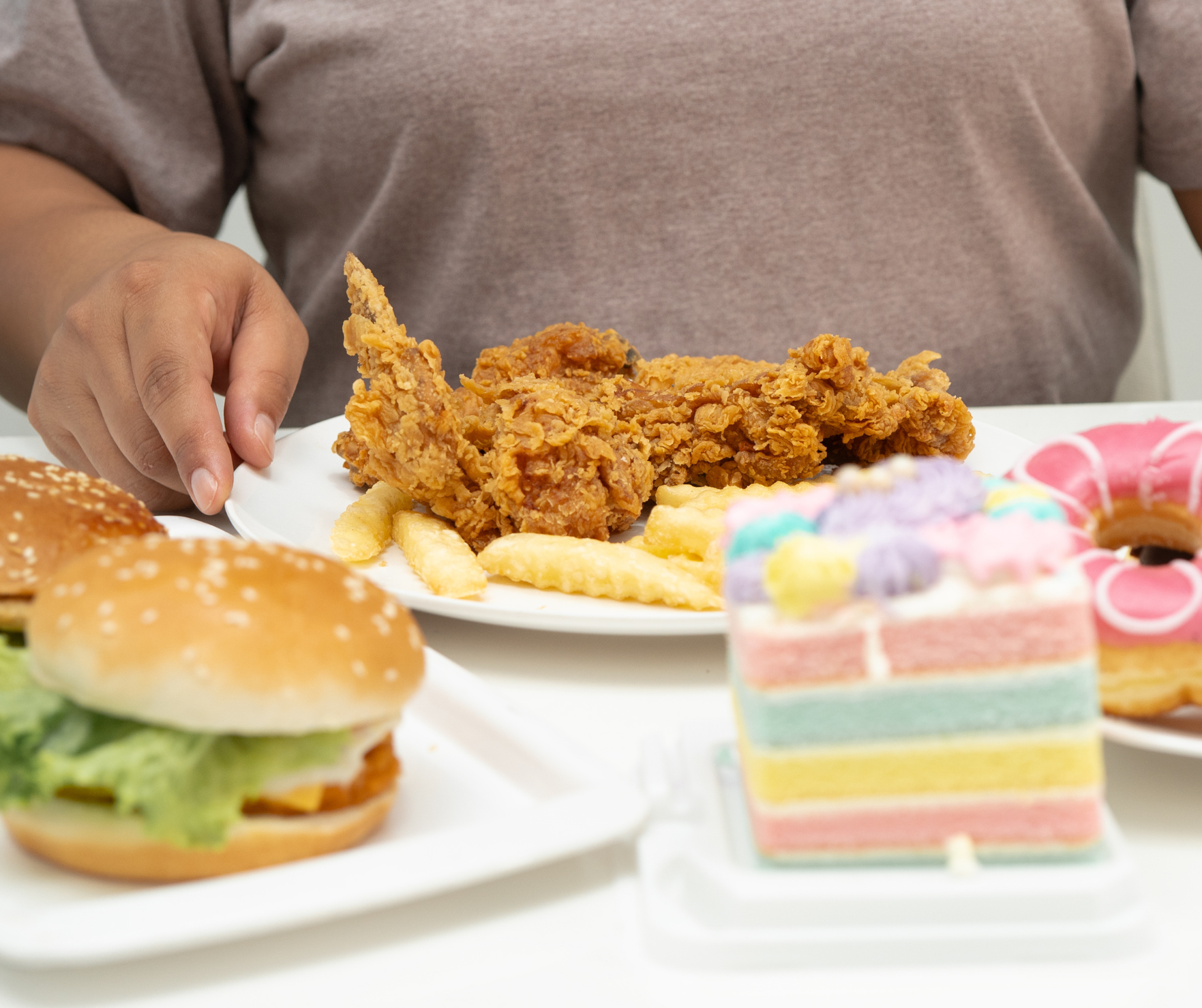
Poor gut health symptoms go well beyond an upset stomach. These are some of the most common warning signs that your gut may need attention.
Persistent bloating, gas, and digestive discomfort
Occasional bloating after a large meal is normal. But if you regularly experience digestive system discomfort (excess gas, abdominal pressure, or a distended feeling), it may reflect how your gut is processing and handling food, including how microbes produce and move gas through your gut [1], [2]. Over time, that discomfort may be your new normal.
Irregular bowel movements
Healthy digestion typically follows a consistent pattern. If you frequently swing between constipation and diarrhea, it may reflect changes in gut motility and microbial balance. Gut microbes can influence how quickly food moves through your digestive tract, and disruptions have been linked to both constipation and diarrhea [3], [4].
Skin issues (eczema, acne, rashes)
Your gut and skin are closely connected through what’s known as the gut–skin axis. Changes in the gut microbiome have been linked to skin conditions like acne, eczema, and rashes, likely through effects on inflammation and the immune system. While this connection is still being studied, your gut may be one factor influencing skin health [5]–[9].
Frequent fatigue and low energy
Waking up tired even after a full night’s sleep can sometimes signal that something is off in your gut. Your gut microbes help regulate compounds like serotonin, along with other signals involved in sleep, circadian rhythms, and energy balance [10]-12]. Changes in the gut microbiome have also been observed in people who have chronic fatigue, though it’s still unclear whether these shifts are a cause or a result [13].
Food sensitivities
If foods that never used to bother you are triggering symptoms like cramping, nausea, or headaches, your gut microbiome may have changed. Your gut lining and microbiome work together to protect your gut and guide immune responses, helping your body tolerate everyday foods.
Changes in this dynamic are linked to increased intestinal permeability (a.k.a. leaky gut), altered immune responses to food antigens, and shifts in gut–brain signaling that can influence symptoms like abdominal discomfort or headaches. New food sensitivities could mean that your gut lining and microbes need support, but studies on these relationships are complex and still emerging [14]-[17].
Mood changes, brain fog, and headaches
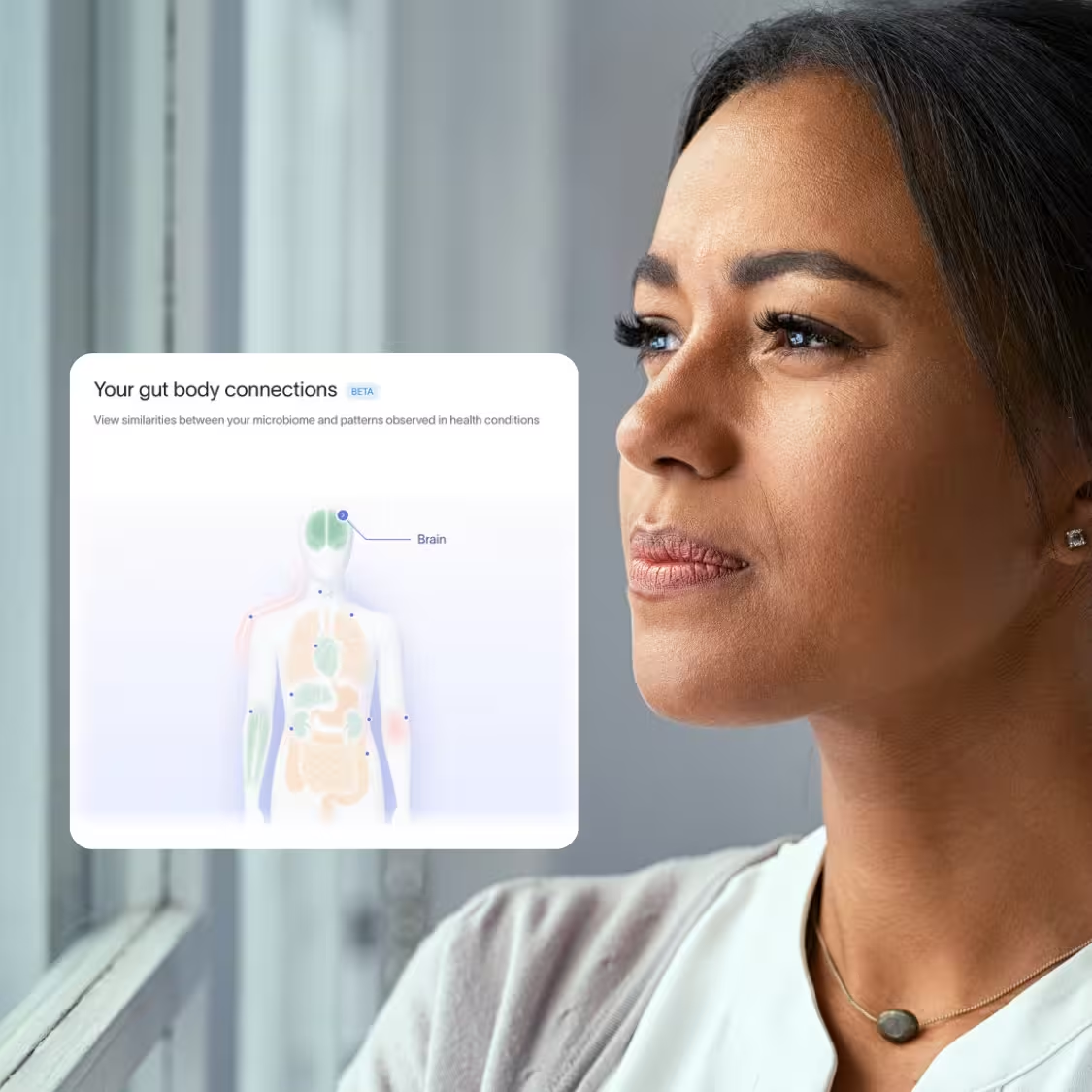
The brain-gut connection is powerful. Roughly 90% of your body's serotonin is produced in the gut, and your vagus nerve acts as a direct communication line between your digestive system and your brain [18],[19]. Changes in the gut microbiome have been linked to shifts in mood, stress response, and brain function, though these correlations are still being studied [20]-[22].
Unintentional weight changes
The gut microbiome plays a role in how your body processes energy, regulates blood sugar, and signals hunger and fullness. Changes in microbial composition have been linked to differences in fat storage, inflammation, and metabolic function, though weight changes are usually driven by multiple things [23]-[25].
Weakened immune function
About 70% of your immune system is connected to your gut [26]. A healthy microbiome helps regulate immune responses and protect against harmful microbes. When this balance is disrupted, it may affect how your body responds to infections and inflammation over time [27], [28].
What poor gut health feels like day to day
Sometimes your health takes a back seat to other things going on in your life, like a sick parent or hustling to get that job promotion. Perhaps it’s a combination of things. We’ve all been there.
So whether your lifestyle has been unhealthy for years or just in the last few months, poor gut health can become your new normal:
- You might wake up bloated before you've eaten anything
- Barely make it through the afternoon with brain fog and a headache
- Your skin flares up when you’re stressed
Your evenings may follow a similar trajectory: you're too drained to exercise, yet when it’s time to rest, you don’t sleep well. Over time, patterns emerge, and you begin wondering whether this is just how your body works now.
We’re here to remind you that it isn't.
Signals that your gut is unhappy often share a common thread. Recognizing them is the first step toward change.
What are the reasons for poor gut health?
When you understand what leads to an imbalanced gut, it’s easier to make changes. Here are common things to watch out for:
- Diet low in fiber and high in ultra-processed foods: Beneficial gut bacteria rely on dietary fiber as fuel, and diets heavy in refined sugar can starve these microbes while feeding less desirable ones [29]. Adding a variety of plants to your plate is one of the simplest ways to shift that balance.
- Antibiotic use and certain medications: Antibiotics don’t distinguish between harmful and beneficial bacteria, and repeated courses can reduce microbiome diversity and shift your gut in unhealthy ways [30]. Other medications like proton-pump inhibitors, antidepressants, beta-blockers, and benzodiazepines can have similar effects, and may contribute to longer-term gut imbalances [31], [32].
- Chronic stress: Ongoing stress can shift gut microbial composition, increase inflammation, and weaken your gut barrier [33].
- Poor sleep: Disrupted sleep patterns have been linked to reduced microbial variety and weakened gut barrier function [11], [34].
- Lack of physical activity: Regular movement supports healthy digestion and has been associated with greater microbial richness [35], [36].
- Excessive alcohol consumption: Alcohol can irritate the gut lining and promote inflammation, contributing to imbalances [37],[38].
Effects and consequences of poor gut health
When your gut is imbalanced, it can impact your whole body. Over time, chronic dysbiosis has been associated with the following conditions.
How Gut Imbalance Affects Your Body
| Body system | Impact on your body | Potential long-term consequences |
|---|---|---|
| Digestive system | Less efficient digestion and changes in how food moves through your gut | IBS, IBD, chronic constipation, diarrhea [39], [40] |
| Immune system | A weakened gut lining that allows inflammation build-up | Immune dysregulation, chronic inflammation, increased infection risk [41], [42] |
| Nervous system/brain | Changes in how your gut communicates with your brain | Changes in mood, stress response, and sleep patterns [43], [44] |
| Skin | Higher levels of inflammation | Eczema, psoriasis, acne [8], [9] |
| Energy and sleep | Changes in gut signals that can impact energy levels and sleep | Fatigue, sleep disturbances [45], [46] |
| Metabolic health | Shifts in how your body regulates blood sugar, appetite, and metabolism | Increased risk of type 2 diabetes, obesity, metabolic syndrome [47], [48] |

How do you know if you have poor gut health?
Sometimes the best starting point is an honest check-in with yourself. Ask yourself these 8 questions:
- Do you experience bloating or gas most days?
- Are your bowel movements irregular or uncomfortable?
- Do you often feel tired even after you sleep well?
- Have you noticed skin flare-ups without a clear explanation?
- Do you frequently experience brain fog, mood dips, or low motivation?
- Have you had one or more rounds of antibiotics in the past year?
- Do certain foods bother you more than they used to?
- Do you get sick more often than in years past?
If you answered yes to several of these, your symptoms may be connected. We recommend a gut health test to provide clarity. You can also share your results with your practitioner so they can modify your Action Plan based on your medical history.
Steps you can take today to start supporting your gut
Every microbiome is different, which is why at-home gut health testing is so important. While you wait for your results, here are universally positive things you can do to help support your gut microbes today:
- Eat more fiber and fermented foods: Fiber fuels beneficial gut bacteria, and fermented options like yogurt, kimchi, and sauerkraut introduce helpful microbes. Add these overnight oats to your breakfast routine.
- Manage stress: Even short daily practices like deep breathing, 10-minute walks, or journaling can support the gut-brain axis.
- Prioritize sleep: Aim for 7 to 9 hours each night. Consistent sleep helps maintain microbial variety.
- Stay active: Regular movement, even 20 to 30 minutes daily, has been linked to a more robust microbiome.
How to get your gut tested
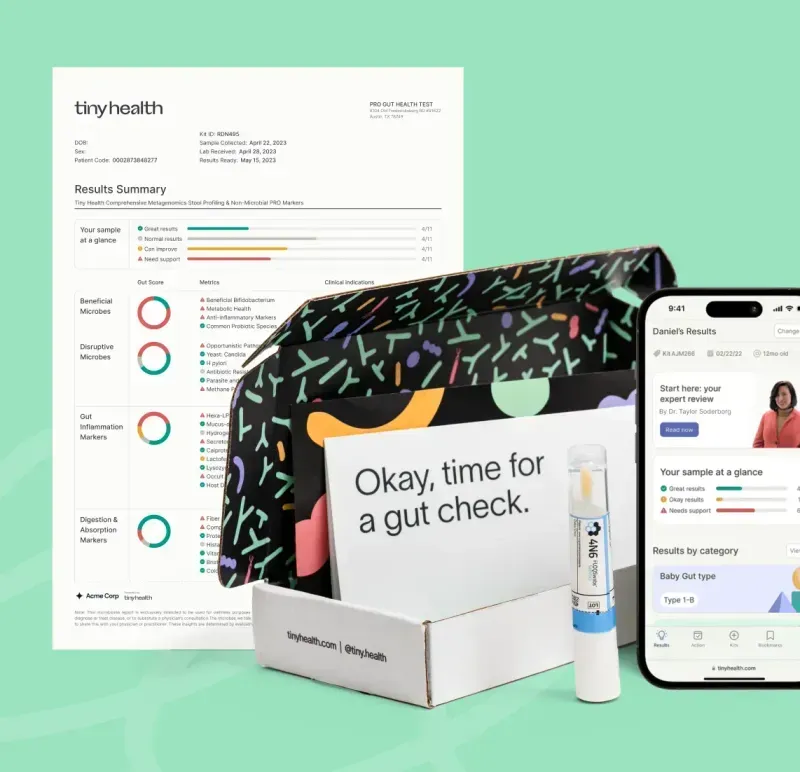
If you suspect something is off, gut microbiome testing can reveal what's happening at the microbial level. At-home stool test kits like Tiny Health use advanced sequencing to map your microbial composition, giving you a clearer picture than symptoms alone. This is different from tests like the GI-MAP, which rely on targeted PCR panels to detect a preset list of organisms, while shotgun metagenomic sequencing captures a broader view of your entire gut ecosystem.
Tiny Health’s Gut Health Test breaks down your gut bacteria, flags potential imbalances, and includes personalized recommendations based on your unique profile. Order a kit, collect a sample at home, send it back, and receive clear next steps.
Trust your gut.
Get to know your microbes with an easy, 5-minute at-home test from Tiny Health. Unlock deep gut health insights and personalized recommendations for your diet, supplements, and lifestyle.

Dr. Harold Nunez, a Medical Technologist and Ph.D. holder, specializes in microbiome research with over 10 years of experience.

Dr. Hannah Sturgeon, a Neuroscience Ph.D. from Georgia State University, specializes in microbiome research with expertise in early gut-brain-immune development.
References
[1] E. Mutuyemungu, M. Singh, S. Liu, and D. J. Rose, “Intestinal gas production by the gut microbiota: A review,” Journal of Functional Foods, vol. 100, p. 105367, Jan. 2023, doi: 10.1016/j.jff.2022.105367.
[2] S. Crucillà, F. Caldart, M. Michelon, G. Marasco, and A. Costantino, “Functional Abdominal Bloating and Gut Microbiota: An Update,” Microorganisms, vol. 12, no. 8, p. 1669, Aug. 2024, doi: 10.3390/microorganisms12081669.
[3] T. Ohkusa, S. Koido, Y. Nishikawa, and N. Sato, “Gut Microbiota and Chronic Constipation: A Review and Update,” Front Med (Lausanne), vol. 6, p. 19, Feb. 2019, doi: 10.3389/fmed.2019.00019.
[4] M. A. Iancu, M. Profir, O. A. Roşu, R. F. Ionescu, S. M. Cretoiu, and B. S. Gaspar, “Revisiting the Intestinal Microbiome and Its Role in Diarrhea and Constipation,” Microorganisms, vol. 11, no. 9, p. 2177, Aug. 2023, doi: 10.3390/microorganisms11092177.
[5] P. A. Nieto et al., “Improving immune-related health outcomes post-cesarean birth with a gut microbiome-based program: A randomized controlled trial,” Pediatr Allergy Immunol, vol. 36, no. 9, p. e70182, Sep. 2025, doi: 10.1111/pai.70182.
[6] S. R. Ellis et al., “The Skin and Gut Microbiome and Its Role in Common Dermatologic Conditions,” Microorganisms, vol. 7, no. 11, p. 550, Nov. 2019, doi: 10.3390/microorganisms7110550.
[7] S. Widhiati, D. Purnomosari, T. Wibawa, and H. Soebono, “The role of gut microbiome in inflammatory skin disorders: A systematic review,” Dermatol Reports, vol. 14, no. 1, p. 9188, Dec. 2021, doi: 10.4081/dr.2022.9188.
[8] I. Salem, A. Ramser, N. Isham, and M. A. Ghannoum, “The Gut Microbiome as a Major Regulator of the Gut-Skin Axis,” Front Microbiol, vol. 9, p. 1459, 2018, doi: 10.3389/fmicb.2018.01459.
[9] Y. B. Lee, E. J. Byun, and H. S. Kim, “Potential Role of the Microbiome in Acne: A Comprehensive Review,” J Clin Med, vol. 8, no. 7, p. 987, Jul. 2019, doi: 10.3390/jcm8070987.
[10] H. J. Seong, Y. Baek, S. Lee, and H.-J. Jin, “Gut microbiome and metabolic pathways linked to sleep quality,” Front. Microbiol., vol. 15, Jul. 2024, doi: 10.3389/fmicb.2024.1418773.
[11] M. Heddes et al., “The intestinal clock drives the microbiome to maintain gastrointestinal homeostasis,” Nat Commun, vol. 13, no. 1, p. 6068, Oct. 2022, doi: 10.1038/s41467-022-33609-x.
[12] K. D. Corbin et al., “Host-diet-gut microbiome interactions influence human energy balance: a randomized clinical trial,” Nat Commun, vol. 14, no. 1, p. 3161, May 2023, doi: 10.1038/s41467-023-38778-x.
[13] J.-H. Wang, Y. Choi, J.-S. Lee, S.-J. Hwang, J. Gu, and C.-G. Son, “Clinical evidence of the link between gut microbiome and myalgic encephalomyelitis/chronic fatigue syndrome: a retrospective review,” Eur J Med Res, vol. 29, p. 148, Mar. 2024, doi: 10.1186/s40001-024-01747-1.
[14] F. Valitutti et al., “Intestinal permeability, food antigens and the microbiome: a multifaceted perspective,” Front. Allergy, vol. 5, Jan. 2025, doi: 10.3389/falgy.2024.1505834.
[15] F. Di Vincenzo, A. Del Gaudio, V. Petito, L. R. Lopetuso, and F. Scaldaferri, “Gut microbiota, intestinal permeability, and systemic inflammation: a narrative review,” Intern Emerg Med, vol. 19, no. 2, pp. 275–293, Mar. 2024, doi: 10.1007/s11739-023-03374-w.
[16] P. Gazerani, L. Papetti, T. Dalkara, C. L. Cook, C. Webster, and J. Bai, “The Brain, the Eating Plate, and the Gut Microbiome: Partners in Migraine Pathogenesis,” Nutrients, vol. 16, no. 14, p. 2222, Jul. 2024, doi: 10.3390/nu16142222.
[17] R. Guo, L.-H. Chen, C. Xing, and T. Liu, “Pain regulation by gut microbiota: molecular mechanisms and therapeutic potential,” Br J Anaesth, vol. 123, no. 5, pp. 637–654, Nov. 2019, doi: 10.1016/j.bja.2019.07.026.
[18] B. Bonaz, T. Bazin, and S. Pellissier, “The Vagus Nerve at the Interface of the Microbiota-Gut-Brain Axis,” Front. Neurosci., vol. 12, Feb. 2018, doi: 10.3389/fnins.2018.00049.
[19] N. Akram et al., “Exploring the serotonin-probiotics-gut health axis: A review of current evidence and potential mechanisms,” Food Sci Nutr, vol. 12, no. 2, pp. 694–706, Feb. 2024, doi: 10.1002/fsn3.3826.
[20] E. A. Mayer, K. Nance, and S. Chen, “The Gut-Brain Axis,” Annu Rev Med, vol. 73, pp. 439–453, Jan. 2022, doi: 10.1146/annurev-med-042320-014032.
[21] J. A. Foster, L. Rinaman, and J. F. Cryan, “Stress & the gut-brain axis: Regulation by the microbiome,” Neurobiol Stress, vol. 7, pp. 124–136, Dec. 2017, doi: 10.1016/j.ynstr.2017.03.001.
[22] A. Rutsch, J. B. Kantsjö, and F. Ronchi, “The Gut-Brain Axis: How Microbiota and Host Inflammasome Influence Brain Physiology and Pathology,” Front Immunol, vol. 11, p. 604179, 2020, doi: 10.3389/fimmu.2020.604179.
[23] J. Noor, A. Chaudhry, S. Batool, R. Noor, and G. Fatima, “Exploring the Impact of the Gut Microbiome on Obesity and Weight Loss: A Review Article,” Cureus, vol. 15, no. 6, p. e40948, doi: 10.7759/cureus.40948.
[24] D. Chanda and D. De, “Meta-analysis reveals obesity associated gut microbial alteration patterns and reproducible contributors of functional shift,” Gut Microbes, vol. 16, no. 1, p. 2304900, 2024, doi: 10.1080/19490976.2024.2304900.
[25] J. Geng, Q. Ni, W. Sun, L. Li, and X. Feng, “The links between gut microbiota and obesity and obesity related diseases,” Biomed Pharmacother, vol. 147, p. 112678, Mar. 2022, doi: 10.1016/j.biopha.2022.112678.
[26] S. P. Wiertsema, J. van Bergenhenegouwen, J. Garssen, and L. M. J. Knippels, “The Interplay between the Gut Microbiome and the Immune System in the Context of Infectious Diseases throughout Life and the Role of Nutrition in Optimizing Treatment Strategies,” Nutrients, vol. 13, no. 3, p. 886, Mar. 2021, doi: 10.3390/nu13030886.
[27] J. Y. Yoo, M. Groer, S. V. O. Dutra, A. Sarkar, and D. I. McSkimming, “Gut Microbiota and Immune System Interactions,” Microorganisms, vol. 8, no. 10, p. 1587, Oct. 2020, doi: 10.3390/microorganisms8101587.
[28] Y. Belkaid and T. W. Hand, “Role of the microbiota in immunity and inflammation,” Cell, vol. 157, no. 1, pp. 121–141, Mar. 2014, doi: 10.1016/j.cell.2014.03.011.
[29] D. Rondinella et al., “The Detrimental Impact of Ultra-Processed Foods on the Human Gut Microbiome and Gut Barrier,” Nutrients, vol. 17, no. 5, p. 859, Jan. 2025, doi: 10.3390/nu17050859.
[30] G. Cusumano, G. A. Flores, R. Venanzoni, and P. Angelini, “The Impact of Antibiotic Therapy on Intestinal Microbiota: Dysbiosis, Antibiotic Resistance, and Restoration Strategies,” Antibiotics (Basel), vol. 14, no. 4, p. 371, Apr. 2025, doi: 10.3390/antibiotics14040371.
[31] A. Safarchi, G. Al-Qadami, C. D. Tran, and M. Conlon, “Understanding dysbiosis and resilience in the human gut microbiome: biomarkers, interventions, and challenges,” Front. Microbiol., vol. 16, Mar. 2025, doi: 10.3389/fmicb.2025.1559521.
[32] P. Ferretti, “The gut remembers: the long-lasting effect of medication use on the gut microbiome,” mSystems, vol. 10, no. 10, p. e0107625, Oct. 2025, doi: 10.1128/msystems.01076-25.
[33] A. A. Madison and M. T. Bailey, “Stressed to the Core: Inflammation and Intestinal Permeability Link Stress-Related Gut Microbiota Shifts to Mental Health Outcomes,” Biol Psychiatry, vol. 95, no. 4, pp. 339–347, Feb. 2024, doi: 10.1016/j.biopsych.2023.10.014.
[34] G. Li et al., “Sleep Deprivation Impairs Intestinal Mucosal Barrier by Activating Endoplasmic Reticulum Stress in Goblet Cells,” Am J Pathol, vol. 194, no. 1, pp. 85–100, Jan. 2024, doi: 10.1016/j.ajpath.2023.10.004.
[35] V. Monda et al., “Exercise Modifies the Gut Microbiota with Positive Health Effects,” Oxid Med Cell Longev, vol. 2017, p. 3831972, 2017, doi: 10.1155/2017/3831972.
[36] M. U. Sohail, H. M. Yassine, A. Sohail, and A. A. Al Thani, “Impact of Physical Exercise on Gut Microbiome, Inflammation, and the Pathobiology of Metabolic Disorders,” Rev Diabet Stud, vol. 15, pp. 35–48, 2019, doi: 10.1900/RDS.2019.15.35.
[37] C.-H. Kuo, L.-L. Wu, H.-P. Chen, J. Yu, and C.-Y. Wu, “Direct effects of alcohol on gut-epithelial barrier: Unraveling the disruption of physical and chemical barrier of the gut-epithelial barrier that compromises the host-microbiota interface upon alcohol exposure,” J Gastroenterol Hepatol, vol. 39, no. 7, pp. 1247–1255, Jul. 2024, doi: 10.1111/jgh.16539.
[38] G. Chen et al., “Gut microbiota dysbiosis: The potential mechanisms by which alcohol disrupts gut and brain functions,” Front. Microbiol., vol. 13, Jul. 2022, doi: 10.3389/fmicb.2022.916765.
[39] M. F. Butt et al., “Irritable Bowel Syndrome in Inflammatory Bowel Disease: An Evidence-Based Practical Review,” Journal of Clinical Medicine, vol. 15, no. 1, p. 116, Jan. 2026, doi: 10.3390/jcm15010116.
[40] K. Hodgkinson et al., “Butyrate’s role in human health and the current progress towards its clinical application to treat gastrointestinal disease,” Clin Nutr, vol. 42, no. 2, pp. 61–75, Feb. 2023, doi: 10.1016/j.clnu.2022.10.024.
[41] F. Di Lorenzo, C. De Castro, A. Silipo, and A. Molinaro, “Lipopolysaccharide structures of Gram-negative populations in the gut microbiota and effects on host interactions,” FEMS Microbiol Rev, vol. 43, no. 3, pp. 257–272, May 2019, doi: 10.1093/femsre/fuz002.
[42] S. Mohammad and C. Thiemermann, “Role of Metabolic Endotoxemia in Systemic Inflammation and Potential Interventions,” Front. Immunol., vol. 11, Jan. 2021, doi: 10.3389/fimmu.2020.594150.
[43] J. D. Braga, M. Thongngam, and T. Kumrungsee, “Gamma-aminobutyric acid as a potential postbiotic mediator in the gut-brain axis,” NPJ Sci Food, vol. 8, no. 1, p. 16, Apr. 2024, doi: 10.1038/s41538-024-00253-2.
[44] D. Belelli, J. J. Lambert, M. L. Y. Wan, A. R. Monteiro, D. J. Nutt, and J. D. Swinny, “From bugs to brain: unravelling the GABA signalling networks in the brain–gut–microbiome axis,” Brain, vol. 148, no. 5, pp. 1479–1506, May 2025, doi: 10.1093/brain/awae413.
Related posts
Get $10 OFF to kickstart your microbiome health journey