Raw, refrigerated sauerkraut (a.k.a. kraut) brings live cultures and prebiotic cabbage fiber to your plate, but the research on its gut benefits is still mixed. Here’s what you’ll learn:
What studies show about sauerkraut and your microbiome
How much to eat, and how to ease in to limit gas and bloating
Sauerkraut is one of the simplest fermented foods you can buy: cabbage and salt, left to ferment until lactic acid bacteria turn it tangy. Researchers have started looking at what it does in the gut, and the results are mixed. Some studies link sauerkraut to greater gut microbial diversity and more short-chain fatty acid producers, while others find little change [1], [ 2], [ 3].
Not every jar delivers the same thing, either. Shelf-stable sauerkraut is pasteurized, which kills its live cultures, so the type you buy matters. Below, we cover what the research shows, how much to eat, how sauerkraut compares to kimchi, and who should be cautious.
What is sauerkraut, and is it all fermented?
Sauerkraut is made by shredding cabbage and mixing it with salt, which draws out liquid to form a brine. Lactic acid bacteria, such as Lactobacillus, ferment the sugars in the brine. This process creates lactic acid, which gives sauerkraut its tangy flavor. Sauerkraut translates to ‘sour cabbage’ in German. It has been enjoyed for centuries and was used by the Romans to prevent intestinal infections [4].
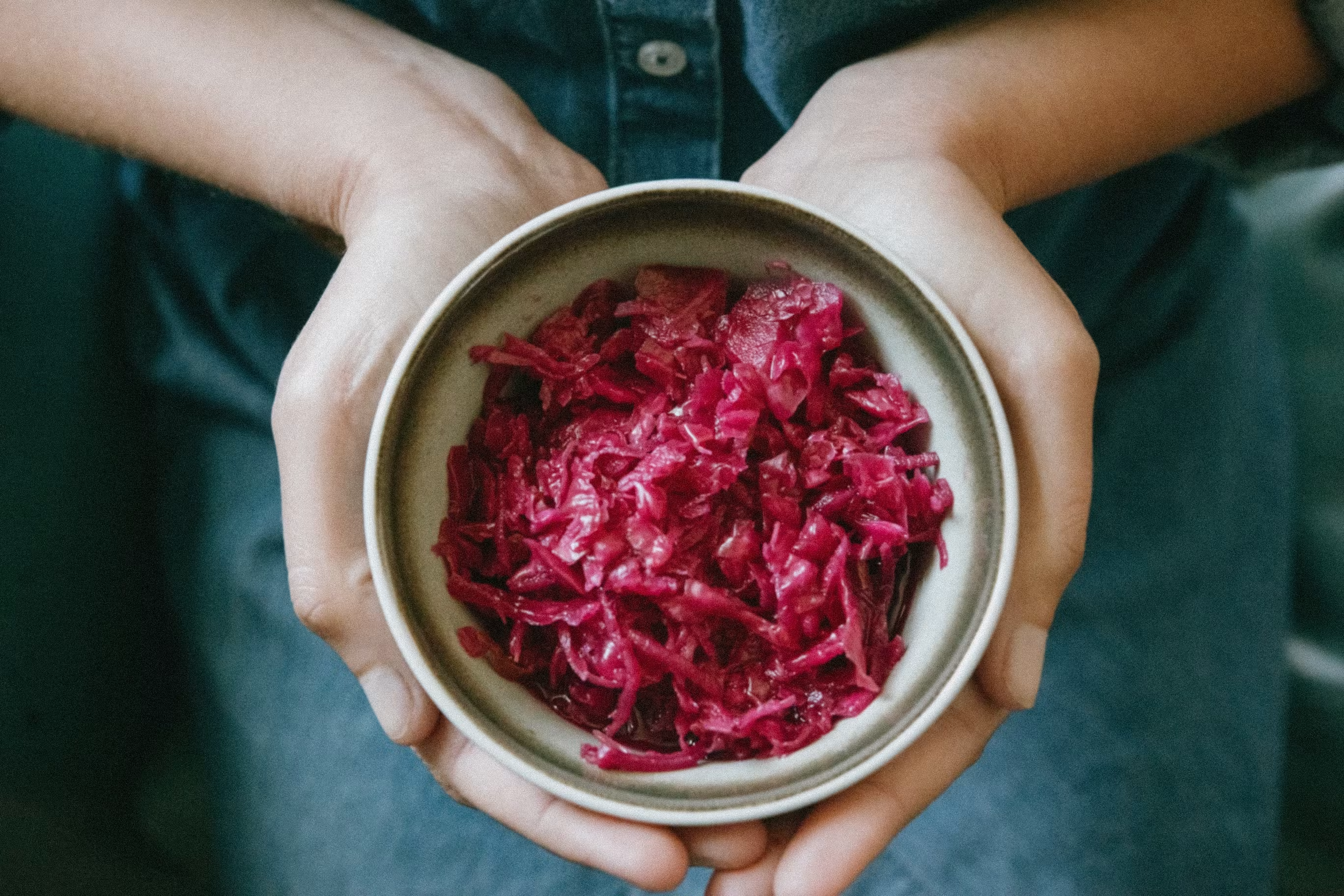
Sauerkraut has evolved beyond the classic plain version. Now, it comes in flavors like beet, turmeric-ginger, jalapeño, garlic-dill, and fennel-apple. With these options, there’s likely a variety to suit your taste.
All sauerkraut starts out fermented. However, shelf-stable and canned versions are pasteurized afterward, which kills the live bacteria. In contrast, raw or refrigerated versions keep those live cultures intact. This means raw sauerkraut offers more probiotic benefits.
Sauerkraut benefits for gut health
Sauerkraut’s potential benefits may come from its live microbes, compounds produced during fermentation and fiber from cabbage that can act as a prebiotic [4]. Some studies show that consuming sauerkraut can increase microbiome diversity while others show no effects [2], [3].
Sauerkraut may encourage the growth of gut bacteria that produce short-chain fatty acids (SCFAs) such as Faecalibacterium prausnitzii and Roseburia faecis [2]. These compounds help maintain a healthy gut environment, partly by lowering the pH in your colon which can limit the growth of potentially disruptive gut bacteria. Research on the benefits of sauerkraut on digestion is limited but may provide benefits for symptoms such as diarrhea and constipation [4] and may also support individuals with IBS [2].
Sauerkraut may help protect the cells that line the intestines [5] and the brine may support how immune cells respond in the gut [6]. Another study measuring the effect of sauerkraut on leaky gut markers found no effect [7]. Most of this research was done in labs, and studies in humans are limited. More research is needed to understand the impact of sauerkraut on the microbiome. Fermentation keeps much of the cabbage's nutrition, including vitamin C and plant compounds called polyphenols [4].
Potential benefit
How it may help
Strength of evidence
Supports beneficial gut bacteria
Some studies suggest that lactic acid bacteria in sauerkraut may increase beneficial bacteria, while another study showed no change to diversity [1]-[4]. Lasting changes to the gut have not been established.
Cabbage in sauerkraut contains prebiotic fiber that feeds beneficial bacteria.
Studies on lactic acid bacteria show potential benefits for supporting digestive symptoms such as diarrhea and constipation. Research is not specific to sauerkraut [4].
One study in humans showed that sauerkraut may help support IBS symptoms [2].
Cabbage contains cellulose, an insoluble fiber that is beneficial to add bulk to stool to support healthy digestion.
Limited
Supports a healthy inflammatory response
Lab studies on sauerkraut show some effect on protecting the gut barrier from inflammation and the gut’s immune system response, while another study showed no effect on several markers related to leaky gut [5]-[7].
Limited
Provides essential nutrients and antioxidants
Sauerkraut is a source of vitamins and plant compounds, such as vitamin C and polyphenols, that can support antioxidant and anti-inflammatory activity [4].
Good
Is sauerkraut high in sodium?
Yes, sauerkraut is high in sodium. Salt helps fermentation and keeps food safe during the fermentation process. It also improves the texture and taste of kraut. Store-bought kraut usually has 150mg to 240mg of sodium in a 2-tablespoon serving. To manage intake, use small portions and be aware of your daily intake. If needed, rinse it briefly, but this removes some live cultures.
If you're managing blood pressure, keep your portions modest and be aware of how the sodium content contributes to your daily limit.
Some low-sodium or sodium-free krauts are now sold in stores. Sauerkraut can be fermented without salt, but requires strict monitoring of ph, and strict sterilization procedures to ensure safety. Beyond helping with preservation and safety, salt stops harmful mold, bacteria, and yeast from growing [4]. A reduced-sodium kraut is a safer middle ground than going salt-free, since studies show sauerkraut can still ferment properly with less salt [8]. Although commercially produced sauerkraut that is low sodium or sodium free should be safe to consume, caution is advised with making homemade sauerkraut with less salt.
How much sauerkraut to eat, and how often?
When starting a new fermented food, it’s important to introduce small quantities at a time and increase intake slowly.
Your situation
Suggested amount and timing
Notes
New to sauerkraut
1 tablespoon or less daily, increasing gradually
Start slow, monitor digestive symptoms for gas and bloating
Tolerating it well
Can increase amount as tolerated
No daily limit, but sodium content should be taken into consideration based on daily limit for your age and individual needs
Babies
Can start at 6 months, in very small quantities. A few pieces can be chopped and served plain or added to foods. A small amount of brine can be added to foods.
Rinse cabbage to remove as much salt as possible. This will reduce the live probiotic benefits.
Can also offer in very small portion sizes, being aware of their daily limits.
When and how often to eat sauerkraut
Eat with meals, not on an empty stomach. Saeurkraut is acidic so eating it alongside food helps buffer the acidity and reduces the chance of stomach irritation.
If you're using it for the probiotic benefit specifically, there's no strong evidence that a specific time of day (morning vs. evening) matters more. Consistency matters more than timing.
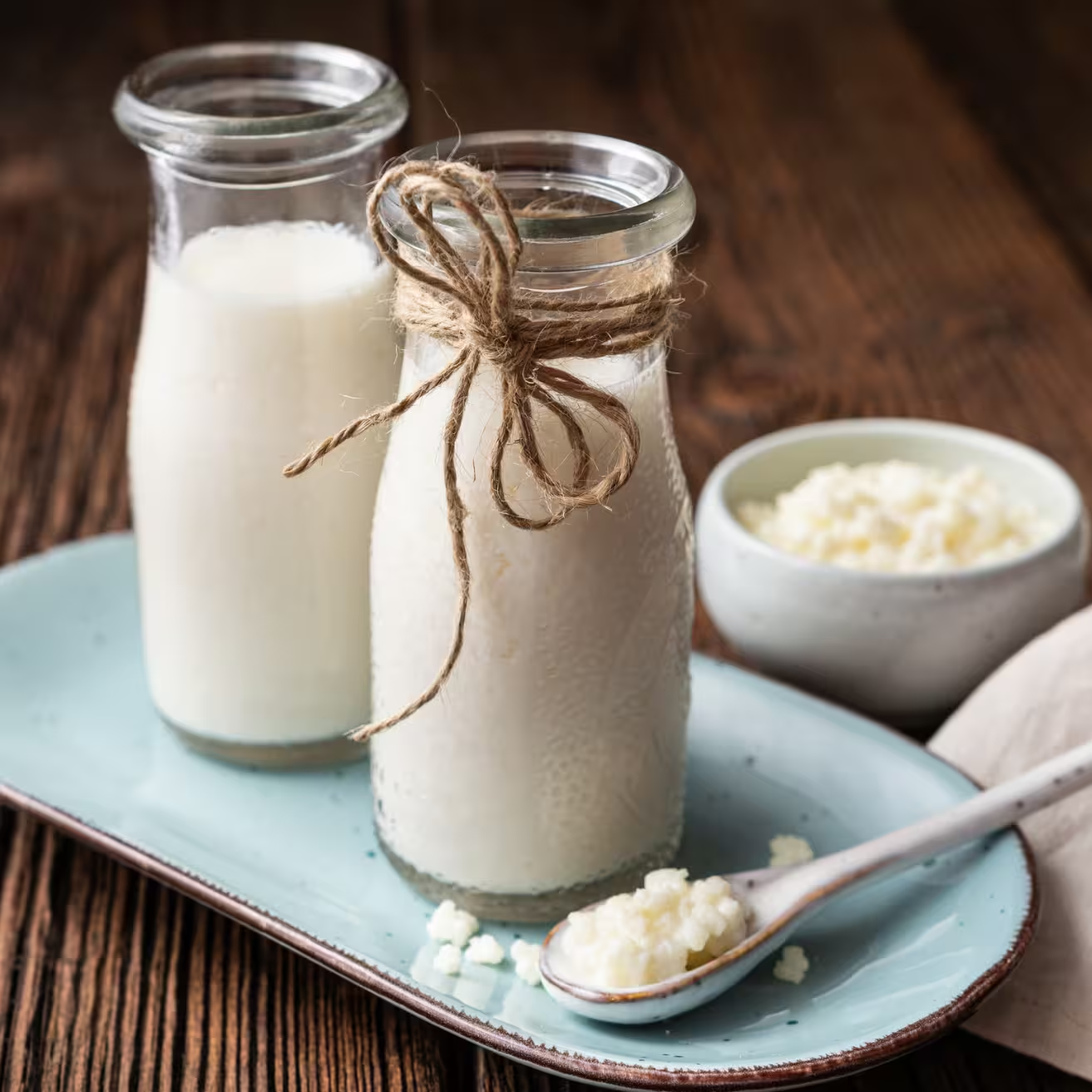
Eating a variety of fermented foods, like sauerkraut, kefir, and kimchi, a few times a week supports gut health. Adding these foods to your meals regularly may also help increase your microbiome diversity.
Tips for adding sauerkraut to your diet
Aside from being a popular hot dog topping, there are many other ways to incorporate sauerkraut into your diet.
Here are practical, everyday ways to work it into meals your whole family can enjoy.
Simple swaps: Use in place of lemon or vinegar to add acidity to a meal
Flavor stack: Slowly add juices or finely chopped kraut to a food you already like and increase slowly over time
Chop or blend it in: add to dips like guacamole or hummus, blend into smoothies, whisk into a salad dressing
Add it to sandwiches, quesadillas or grain bowls: A spoonful over rice, quinoa, or roasted potatoes adds acidity that balances rich or fatty foods
Top baked potatoes or avocado toast: A small scoop adds texture and flavor kids often find more approachable than a big forkful
Add at the end of cooking: Top soup and chilli to preserve the live cultures
For more tips and recipes on how to include sauerkraut into simple, everyday meals, see this recipe guide.
Sauerkraut vs kimchi for gut health
Sauerkraut and kimchi offer comparable gut health benefits, as both are made from fermented cabbage and contain live lactic acid bacteria (when unpasteurized) along with prebiotic fiber from cabbage. Kimchi tends to offer a broader range of prebiotic fiber thanks to its wider range of ingredients (radish, garlic, ginger, chili), giving the gut bacteria more prebiotic variety to feed on. Sauerkraut's simplicity makes it milder and easier to start with. The best choice comes down to which one you'll enjoy consistently! Varying brands and types of ferments can also be helpful for introducing different bacteria to the microbiome.
Feature
Sauerkraut
Kimchi
Base ingredients
Cabbage and salt
Napa cabbage, garlic, chili, ginger, onions or scallions
Fish sauce, anchovy paste, salted shrimp, radish, carrots, cucumbers, pear or plum concentrate
White kimchi contains no chili
Flavor
Sour, simple
Spicy, higher umami flavor
Microbe diversity
Lactic acid bacteria
10+ unique species during fermentation
Diversity lowers as it becomes more acidic during fridge fermentation, but total number of bacteria increases [9]
Lactic acid bacteria
10+ unique species during fermentation
Species diversity lowers faster than sauerkraut as kimchi ferments faster in refrigerator conditions [10]
Prebiotic content
Lower: most varieties contain only cabbage with added flavors. Some may have added beet or carrot
Higher: contains garlic, onions and often other prebiotics
Shelf life
6 months–1 year Fermentation continues but slows when refrigerated. Minimal gas production and flavor changes over time [9]
2–3 months Fermentation continues at a faster rate than sauerkraut when refrigerated, due to the presence of bacteria that can survive in colder conditions.
More rapid flavor changes. Will be sour and soggy past 2–3 months in the fridge [10]
Side effects and who should be cautious
Sauerkraut’s side effects are mostly digestive, including bloating, gas, acid reflux, or loose stools, especially if you eat a lot or aren't used to fermented foods. Some people experience occasional headaches possibly linked to histamine intolerance. Sauerkraut is also high in sodium, so it's worth moderating if you're watching blood pressure, and people with GERD, histamine intolerance or IBS. Since it's often unpasteurized, pregnant women, young children, older adults, and immunocompromised individuals should also be mindful of the small risk of foodborne pathogens like Listeria.
Symptoms
Why it happens
What to do instead
Gas, bloating or stomach discomfort
Increasing foods with live bacteria and fiber shifts the balance of microbes in the gut, producing extra gases as the body adjusts
Histamines may trigger digestive symptoms in those with histamine intolerance [11]
Start small, increase quantity gradually Avoid if bloating or symptoms persist
Acid reflux
Sauerkraut is acidic and may exacerbate reflux symptoms in some people
Gas and pressure from bloating can exacerbate reflux
Go low and slow to minimize bloating
Avoid if symptoms persist
Headache, fatigue, congestion, itchy skin or hives
Fermented foods are high in histamine. Individuals with histamine intolerance may have digestive symptoms, skin symptoms, congestion, headaches or fatigue [11]
Limit fermented foods if experiencing symptoms and support your body’s histamine balance
For most healthy people, sauerkraut in reasonable amounts is well tolerated and beneficial. The main groups who should check with a doctor first are those managing blood pressure, reflux, histamine sensitivity, or immune vulnerability.
People with high blood pressure or on a low-sodium diet. Sauerkraut is quite salty, and regular high intake can add up significantly toward daily sodium limits.
People with GERD/acid reflux or sensitive stomachs. The acidity can trigger or worsen symptoms.
People with histamine intolerance. Fermented foods are high in histamine and can trigger reactions (flushing, headaches, hives) in sensitive individuals [11].
Immunocompromised individuals, pregnant women, young children, and elderly people. Unpasteurized sauerkraut carries some risk of foodborne pathogens if contamination occurs during production or handling, similar to other raw fermented or unpasteurized foods. Fermentation lowers E. coli and Listeria levels because the acid and good bacteria that build up make it hard for them to survive [12].
People with IBS or other GI conditions. Insoluble fiber, FODMAPS and high acidity may trigger flare-ups in sensitive individuals.
How you can track changes as you add sauerkraut to your diet
Eating more fermented foods like sauerkraut can help support a healthy, diverse microbiome. Several markers on Tiny Health’s Gut Health Test may improve as fermented foods become a regular part of your diet.
One is Microbial GABA Production Capacity, which shows how well your gut bacteria are equipped to produce GABA, a neurotransmitter that helps calm the nervous system. Sauerkraut may also help support your Microbiome Diversity score and keep Overabundant Bacteria in check. Retesting after 3 months of eating it regularly can show you how your microbiome has shifted since your first test. A Tiny+ Membership includes two tests, so you can see your starting point and then track your progress.
What you should know
FAQ: Sauerkraut and Gut Health
Can I drink sauerkraut brine or juice?
Yes, sauerkraut brine is generally safe to drink and offers the same probiotics (if unpasteurized) plus electrolytes as the fermented cabbage itself. Be mindful of the sodium content and start with small amounts to avoid stomach upset. Some companies also sell the brine just on its own for those who do not prefer cabbage.
Does heating or cooking sauerkraut destroy the probiotics?
Yes, cooking sauerkraut at high temperatures about 115-140 F tends to kill live Lactobacillus strains [14]. However, some beneficial postbiotic metabolites, such as organic acids, vitamins can survive and offer some health benefits. To keep the probiotic cultures alive, eat sauerkraut raw as a side dish or add on top of a soup or stew at the very end of cooking.
Is homemade sauerkraut better than store-bought?
There are many high quality store-bought sauerkraut. Look for refrigerated sauerkraut that has "raw," "unpasteurized," or "live cultures" on the label. Ensure that salt and vegetables are the main ingredient. Watch out for vinegar added to sauerkraut that means it’s pickled but not fermented. Store bought may also be more preferred in pregnancy to minimize the risk of any harmful bacteria.
The benefits of homemade sauerkraut are that there are no preservatives or additives and there is likely more bacterial diversity. When making sauerkraut at home, you can also control the ingredients and flavors to your tastes.
Will sauerkraut make me gassy when I first start eating it?
Yes, mild gas or bloating is common at first, mainly due to sauerkraut's fiber, fermentable carbs, and live bacteria adjusting your gut microbiome. Digestive symptoms usually settle within a few days to a couple weeks. Starting with a small amount and gradually increasing your portion can help ease the transition.
Can I eat sauerkraut while pregnant?
Sauerkraut is generally recognized as safe to consume in pregnancy, being mindful to choose high-quality commercially produced sauerkraut instead of homemade or from local producers. Most store-bought sauerkraut is unpasteurized, however research shows that sauerkraut is generally safe and has a low risk for Listeria and E. coli contamination [13].
Does sauerkraut fit a low-carb or keto diet?
Sauerkraut fits keto and low-carb diets very well, with only about 2g of net carbs per cup thanks to its fiber content and the fermentation process using up natural sugars. Be mindful of any added sweeteners, often found in Bavarian style or shelf-stable sauerkraut.
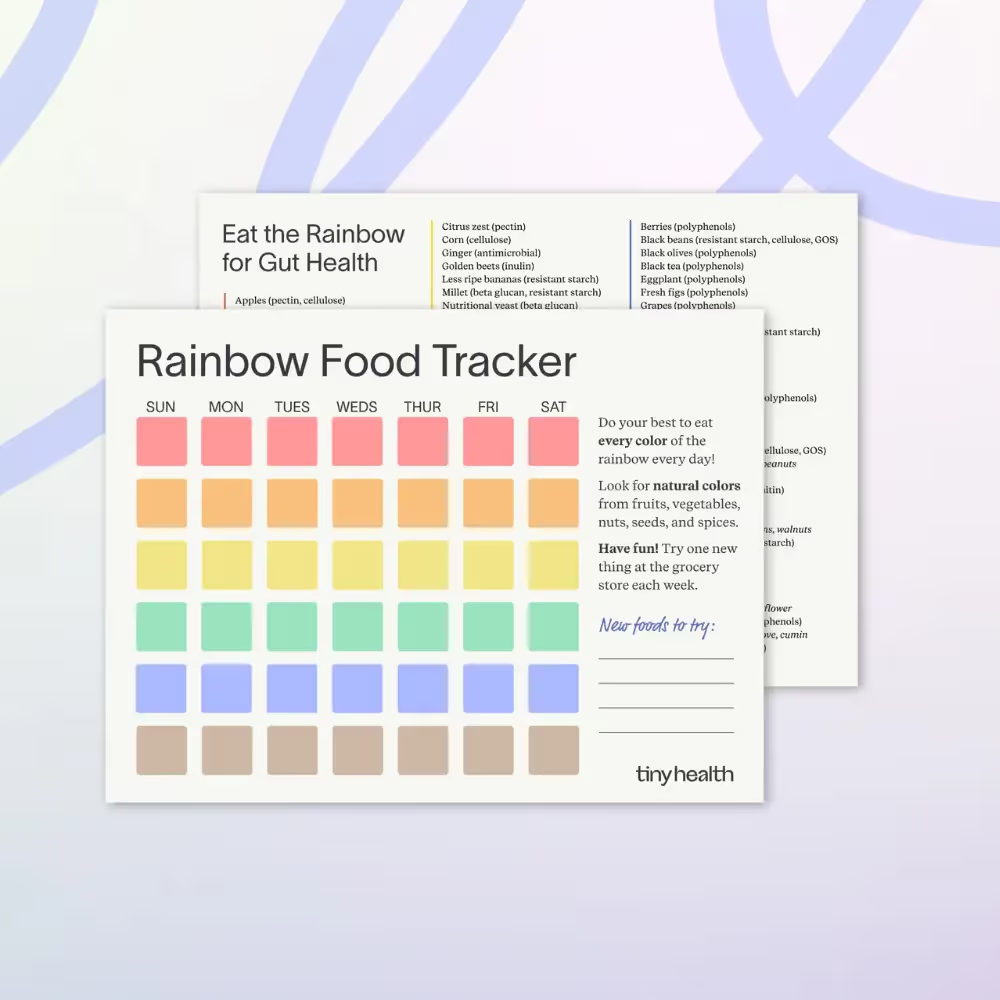
Download our FREE Rainbow Food Tracker
Includes a weekly tracking chart and color-coded list of gut-healthy foods to help your family eat the rainbow every day.