The first few months of a baby's life are packed with milestones: first smiles, first sounds, first tastes. But some of the most important developments are happening out of sight, in a baby’s gut. New research we just published in Frontiers in Microbiomes found that the gut microbiomes of infants with eczema or food allergies begin to look distinctly different from those of healthy peers as early as 6 months old, pointing to an early window when gut health support may matter most for long-term immune health.
How allergic and healthy infant gut microbiomes differ
We conducted this research in collaboration with Free to Feed, an infant feeding advocacy organization dedicated to finding solutions for food reactivity. Together, we screened more than 600 children and analyzed gut microbes from 97 of them, aged 4 to 36 months. Some had physician-confirmed eczema or food allergies, while others were healthy controls. Children with recent antibiotic or probiotic use, or unconfirmed allergic conditions, were excluded.
Before six months, the gut microbiomes of allergic and non-allergic infants look largely similar. But between 6 and 12 months, what we call mid-infancy, meaningful differences begin to emerge, and they persist through toddlerhood (12 to 36 months) [1].
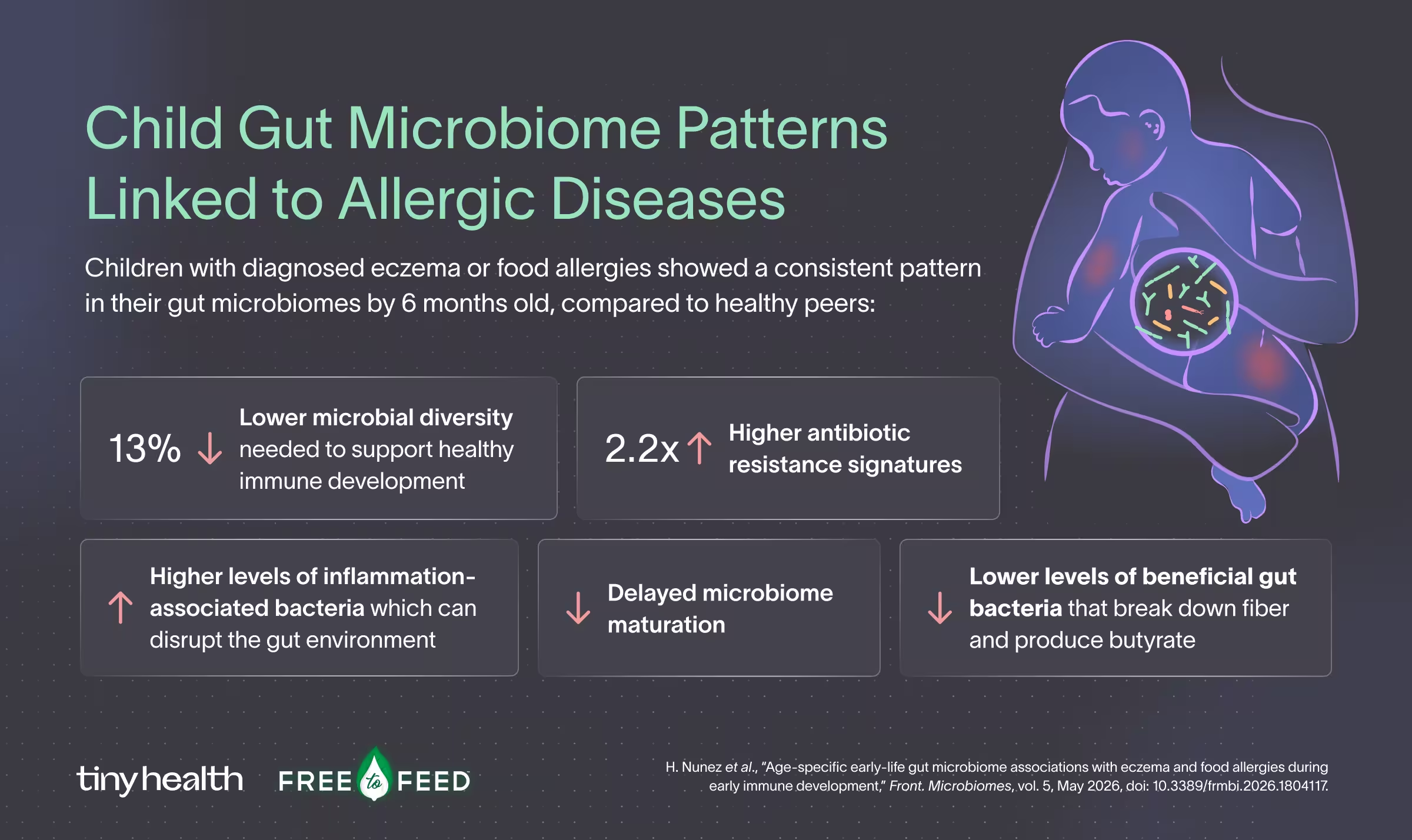
Compared to healthy controls, children with allergic conditions showed a consistent pattern across several markers:
- On average, 13% lower microbial diversity, suggesting slower progression toward the varied, resilient gut communities that support healthy immune development in late infancy and toddlerhood
- An average of 2.2 times higher antibiotic resistance signatures, reflecting a greater abundance of microbes that tend to be antibiotic resistant
- Delayed microbiome maturation, meaning their gut appeared less developed for their age, compared to healthy peers
- Lower levels of beneficial gut bacteria that break down fiber and produce butyrate, a short-chain fatty acid that feeds the gut lining and helps keep the immune system balanced, so it's less likely to overreact
- Higher levels of inflammation-associated bacteria, which can disrupt the gut environment and interfere with the immune system's ability to tell the difference between harmless and harmful triggers
These distinct microbial signatures become clearly established by mid-infancy, emphasizing the importance of acting early, ideally in the first few months of life, before this divergence sets in.
The full study is available in Frontiers in Microbiomes: https://doi.org/10.3389/frmbi.2026.1804117.
How this builds on what we already know
This research doesn't stand alone. Last year, we published results from our Infant Restore randomized controlled trial in Pediatric Allergy and Immunology, which found that personalized gut health support in the first months of life cut the odds of eczema in C-section babies by 83% [2].
Together, the two studies point to the same conclusion: the microbiome serves as both an early warning system and a target for intervention, long before allergies take hold.
Why this matters for families
Allergic disease in children isn't just common; it's often the starting point for the progression of chronic illnesses. Eczema affects up to 1 in 6 infants and is frequently the first step in what researchers call the atopic march, where eczema progresses to food allergies, hay fever, and eventually asthma. Over 20 million U.S. children have a diagnosed allergic condition, and the annual costs of allergic disease run into the tens of billions of dollars.
For parents, these findings point to the potential value of paying attention to gut health during the first 1,000 days of life, when the microbiome is rapidly developing and most responsive to change.
Early Support, lasting impact
We started Tiny Health because we believed the microbiome holds answers that families aren't getting anywhere else. This research brings us closer to a future where parents and clinicians can identify early signs of allergy risk and personalize support before allergic disease becomes part of a child's story.
If you're in those early months with your baby right now, know that you don't have to wait for symptoms to start paying attention to their gut. The steps you take early to support your baby’s microbiome can build a strong foundation for their lifelong health.
Our Tiny+ Baby Membership gives you ongoing access to gut microbiome testing, personalized recommendations based on your child’s unique results, and one-on-one support from microbiome specialists, giving you everything you need to understand what's happening in your baby's gut so you can take action during the window that matters most.