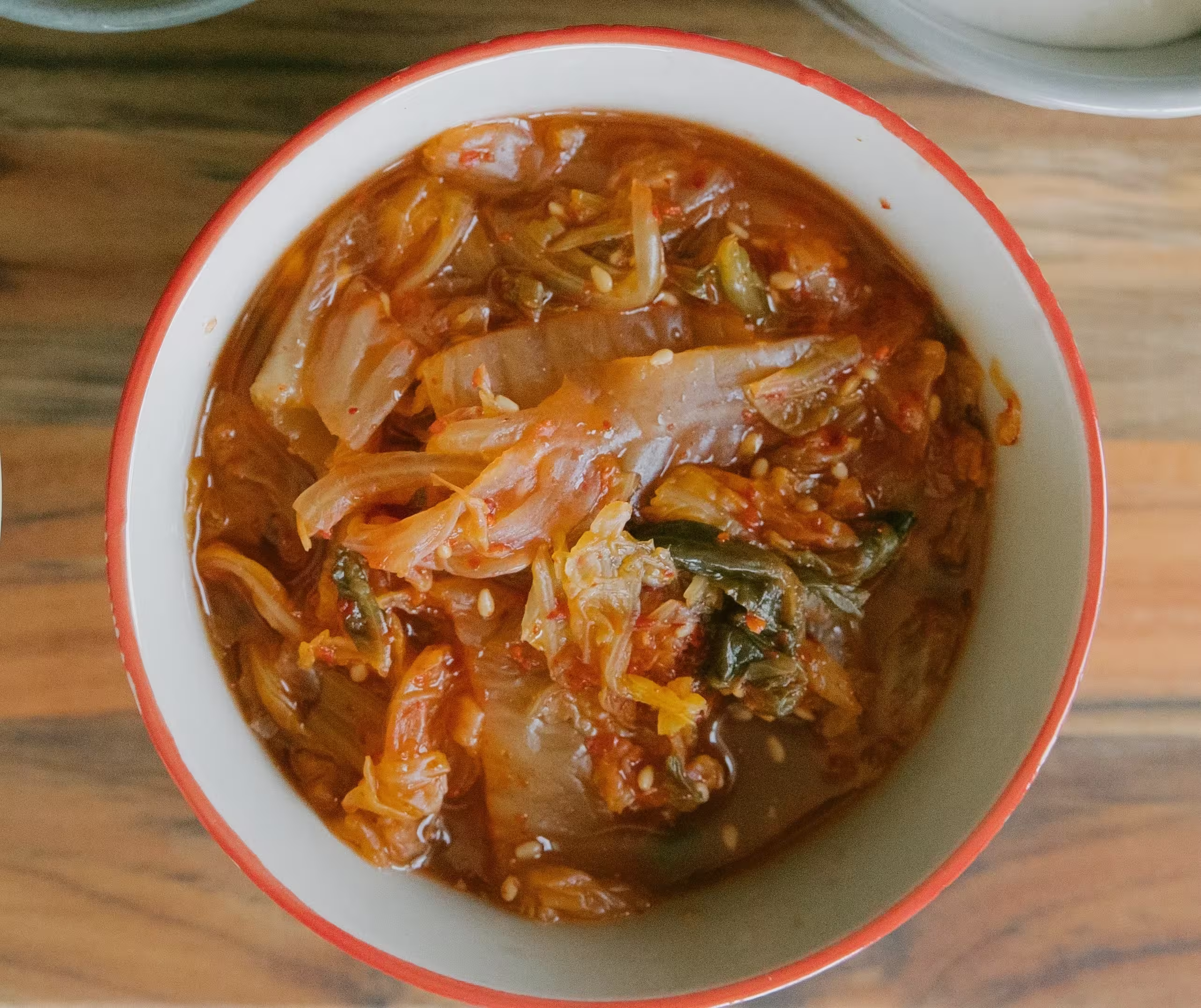
Kimchi has gone from a traditional Korean staple to a popular addition to everything from grain bowls to tacos, and for good reason. Its unique flavor and potential health benefits have won over many fans. This spicy, tangy dish is made with nutrient-packed fermented vegetables and contains live cultures that may support gut health and overall well-being. What sets kimchi apart from other fermented foods is its mix of vegetables and bold seasonings like ginger, garlic, and chili.
In this post, we’ll explain what kimchi is, how it may benefit your gut, and how to choose a good-quality jar. Plus, we’ll share simple ways to add it to your meals.
What is kimchi, and what other fermented vegetables are there?
Kimchi is a traditional Korean fermented vegetable dish, usually made with napa cabbage or radish. It's typically seasoned with garlic, ginger, onions, scallions, and Korean chili flakes called gochugaru. Some versions also include fish sauce or salted shrimp for a savory umami kick. Kimchi has a history spanning centuries, possibly thousands of years, and comes in approximately 200 varieties [1].
In the US, kimchi has picked up some homegrown twists, from versions made with pear or plum concentrate to white kimchi made without chili flakes. You may also spot kraut-chi at grocery stores and farmers’ markets. This hybrid of two fermented favorites starts with the green cabbage of sauerkraut and adds kimchi’s bold spices and seasonings.
Kimchi is just one of many fermented vegetables. Others include:
Sauerkraut: finely shredded cabbage fermented with salt, with a tangier, simpler flavor than kimchi
Pickles: cucumbers fermented in a salt brine (most shelf-stable vinegar pickles aren’t fermented)
Carrots, radishes, turnips, beets, and cauliflower, often flavored with spices, garlic, or dill
Is kimchi a probiotic?
Many people call fermented foods probiotics, but not all meet the scientific definition. Kimchi contains live microbes, some of which may qualify as probiotics if studies have demonstrated their health benefits.
To qualify as a probiotic, a microbe must:
Be properly identified and safe for its intended use
Have scientifically supported health benefits
Be alive and present in an effective amount when consumed [2]
Researchers are exploring kimchi as a potential probiotic food [3]. Although many bacterial species in kimchi have been identified, more human research is needed to establish their health benefits and confirm which strains qualify as probiotics. The microbes in kimchi also vary by type, ingredients, and fermentation methods, which makes its effects harder to predict [3].
To get live microbes, choose unpasteurized kimchi from the refrigerated section. Look for labels that say raw, live, or traditionally fermented. Shelf-stable kimchi is typically pasteurized, which kills the live cultures.
Kimchi benefits for gut health
Kimchi’s potential benefits may come from its live microbes, compounds produced during fermentation, and fiber that may feed beneficial gut bacteria [3]-[5]. Many of these microbes may pass through the digestive tract without permanently colonizing the gut, where they can temporarily interact with the existing microbiome and produce beneficial metabolites.
Consuming kimchi may increase beneficial bacteria such as Bifidobacterium, Faecalibacterium, Roseburia, and Akkermansia muciniphila[6]-[8]. Together, these bacteria can produce short-chain fatty acids (SCFAs) like acetate, propionate, and butyrate. SCFAs help maintain a healthy gut environment by supporting the gut lining and influencing intestinal pH, which can affect the growth of certain bacteria [9].
Kimchi ingredients like cabbage, garlic, radish, and spring onions contain prebiotic fibers that help feed beneficial gut bacteria [5]. Because kimchi comes in wide varieties, its ingredients can also influence which microbes grow during fermentation and the compounds they produce [10].
Research on kimchi's digestive benefits is still limited. Studies of fermented foods in general suggest they may support bowel regularity, improve stool consistency, and ease digestive symptoms, but more research is needed on kimchi specifically [11]. One small human study found improvements in IBS symptoms after kimchi consumption, although it lacked a non-kimchi control group [6].
Kimchi contains beneficial plant compounds with potential antioxidant and anti-inflammatory properties [4], [5]. They may reduce oxidative stress and inflammation. However, while many studies show these effects in lab and animal studies, more human research is needed.
Kimchi also provides vitamins, minerals, and plant compounds. These include vitamin C, β-carotene, and B vitamins, and minerals like calcium, magnesium, potassium, iron, and phosphorus [4].
Potential benefit
How it may help
Worth knowing
Supports beneficial gut bacteria
Small human studies suggest kimchi may increase beneficial bacteria, including Bifidobacterium, Faecalibacterium, Roseburia, and Akkermansia muciniphila [6]-[8].
Kimchi also contains dietary fibers from ingredients like cabbage, garlic, spring onions, and radish that may help nourish gut bacteria [5].
Benefits of live bacteria are only in unpasteurized kimchi.
May limit harmful bacteria
Some bacteria found in kimchi produce compounds that can inhibit potentially harmful bacteria in laboratory studies [5].
Whether eating kimchi has the same effect in the human gut remains unclear.
Supports digestive health
Studies suggest fermented foods may support bowel regularity, improve stool consistency, and ease bloating, gas, and constipation [11].
One human study reported improved IBS symptoms after regular kimchi consumption [6].
Most research involves fermented dairy. The kimchi study lacked a non-kimchi control group, so more research is needed.
May support a healthy inflammatory response
Kimchi contains plant compounds with potential antioxidant and anti-inflammatory properties [4].
The types and amounts of compounds vary with the ingredients and fermentation process [12]. Human evidence for anti-inflammatory benefits remains limited.
Provides vitamins and minerals
Kimchi contains vitamin C, β-carotene, B vitamins, and minerals such as calcium, potassium, magnesium, iron and phosphorus [4].
Nutrient levels vary depending on the ingredients, preparation, and fermentation process.
Beyond gut health, kimchi has also been studied for its potential effects on immunity, cardiometabolic health, skin health, aging, and cancer [4], [5], although much of the evidence comes from laboratory and animal studies. In humans, small studies suggest kimchi may improve certain cardiometabolic markers, including fasting glucose and body fat. Some studies also report improvements in triglycerides and blood pressure, but findings are less consistent [8], [11]. Other reported benefits are less established, and much of the evidence comes from laboratory and animal studies.
How much kimchi should you eat, and when?
When starting a new fermented food, it’s important to introduce small quantities at a time and increase slowly.
Your situation
Suggested amount and timing
Good to know
New to kimchi
1 tablespoon or less, increasing gradually
Start slow and watch for gas and bloating.
Tolerating it well
Work up to ¼ cup to ½ cup per meal
No set daily limit, but large servings can contribute significantly to daily sodium intake.
Sensitive to spice
Start small. Eating earlier in the day may also help people tolerate it better
Try white kimchi (made without chili) or lightly rinse off the spicy brine.
Babies
Can start from 6 months, in very small quantities (a few tiny pieces mixed into foods for taste)
Consider white kimchi or rinse it to reduce spice and sodium. Watch for allergens like fish and shellfish.
When to eat kimchi
Add to meals so you’re not eating kimchi on an empty stomach. Kimchi is acidic (from lactic acid fermentation) and spicy, so eating it alongside food helps buffer the acidity and reduces the chance of stomach irritation.
If you're using it for the probiotic benefit specifically, there's no strong evidence that a specific time of day (morning vs. evening) matters more. Consistency matters more than timing.
Tips for eating more kimchi
Kimchi-curious but not quite ready to dive in? Or you love the idea of your kids eating kimchi, but aren’t sure how to handle the spice? You don't have to eat it straight from the jar to get the benefits. Here are easy ways to add this gut-healthy staple to meals your whole family will love.
Simple swaps: Use kimchi anywhere a recipe calls for hot sauce, salsa, or chili flakes.
Flavor stack: Gradually mix in juices or finely chopped kimchi to a dish you enjoy. Increase the amount slowly over time.
Chop or blend it in: Finely chop kimchi and mix it into fried rice, quesadillas, stews, or even as a pizza topping. You can blend it into a dip or soup. This softens the strong flavor and helps your taste buds adjust gradually.
Try white kimchi: White kimchi lacks any chili added, so it’s an easier way to enjoy it if you don’t like spicy foods. You can also wipe excess chili off of kimchi to dilute the spice level.
Add after cooking: Spoon it over soup or ramen, or stir it into fried rice just before serving. Heat kills live cultures, so adding kimchi at the end helps keep them intact.
Keep kimchi visible and accessible in the fridge (front and center, top shelf). You're more likely to use it if you can see it.
Store refrigerated and check the quality: Kimchi continues to ferment in the fridge and may become more sour and softer over time. How quickly this happens depends on storage conditions and the fermentation stage [13].
For more tips and recipes on how to include kimchi in simple, everyday meals, access our recipe guide.
Kimchi vs sauerkraut: which is better for your gut?
Both kimchi and kraut offer benefits for gut health. Kimchi has more prebiotic ingredients compared to sauerkraut, which is often just cabbage and salt. It really depends on your taste and how much spice you can handle. The best choice is the one that you enjoy the most and eat consistently. For a full comparison of fermentation, nutrition, flavor, and uses, look for the breakdown table in the sauerkraut article.
Side effects and who should be cautious
When introducing kimchi, it's best to start slowly. You might experience bloating, gas, acid reflux, or loose stools, especially if you eat a lot or aren’t accustomed to fermented foods. People who have intolerances to histamine may also experience symptoms and may need to limit intake. Kimchi is high in sodium. If you're watching your blood pressure, moderate your intake. Be careful if you have GERD or IBS. Pregnant women, young kids, older adults, and those with weak immune systems should be careful. Unpasteurized products can carry a small risk of bacteria like Listeria.
Symptoms
Why caution helps
What to do instead
Gas, bloating or stomach discomfort
Increasing foods with live bacteria and fiber shifts the balance of microbes in the gut, producing extra gases as the body adjusts
Individuals who do not tolerate FODMAP foods may be sensitive to garlic and onion in kimchi
Histamines may trigger digestive symptoms in those with histamine intolerance
Start small, increase quantity gradually
Avoid or minimize if bloating or symptoms persist
Acid reflux or a spice-sensitive gut
Chili can aggravate symptoms for some
Kimchi is acidic and may exacerbate reflux symptoms
Gas and pressure from bloating can exacerbate reflux
Try white kimchi to avoid chili
Go slow to minimize bloating
Avoid if symptoms persist
Headache, fatigue, congestion, itchy skin or hives
Fermented foods are high in histamine. Individuals with histamine intolerance may have digestive symptoms, skin symptoms, congestion, headaches or fatigue
Limit fermented foods if experiencing symptoms and support your body’s histamine balance
Who should be cautious
For most healthy people, kimchi in reasonable amounts is well tolerated and beneficial. Individuals who should be cautious when introducing more kimchi include:
People with high blood pressure or on a low-sodium diet. Kimchi is salty. Eating a lot can quickly raise your daily sodium intake.
People with GERD/acid reflux or sensitive stomachs. The acidity and spice can trigger or worsen symptoms.
People with histamine intolerance. Fermented foods have a lot of histamine. They can trigger reactions in sensitive people, such as flushing, headaches, and hives.
Immunocompromised individuals, pregnant women, young children, and elderly people. Unpasteurized kimchi can be risky. It may carry foodborne pathogens if contamination occurs during production or handling. This risk is like that of other raw fermented or unpasteurized foods. Listeria contamination may be less common in kimchi [14]. Consider buying high-quality store-bought kimchi. This helps reduce the risk of contamination. Avoid kimchi from small vendors or homemade sources.
People with IBS or other GI conditions. Fiber, spices, and FODMAPs from garlic and onion can cause flare-ups in sensitive people.
How Tiny Health testing can show you how your gut responds to kimchi
Eating more fermented foods like kimchi, sauerkraut, and kefir can help support a healthy, diverse microbiome. Several markers on Tiny Health’s Gut Health Test may improve as fermented foods become a regular part of your diet.
One is Microbial GABA Production Capacity, which shows how well your gut bacteria are equipped to produce GABA, a neurotransmitter that helps calm the nervous system. Kimchi also contains isomaltooligosaccharides (IMOs), a complex carbohydrate. Consuming kimchi may help boost bacteria that can digest IMOs. Kimchi may help support your Microbiome Diversity score and keep Overabundant Species in check. Retesting after 3 months of eating fermented foods regularly can show you how your microbiome has shifted since your first test.
What you should know
FAQ: Kimchi and gut health
Is kimchi vegan, or does it contain fish?
It depends. Most traditional kimchi includes fish sauce, fermented shrimp (saeujeot), or anchovy paste. These ingredients add a rich umami flavor. Vegan kimchi has fewer ingredients and a simpler flavor. Many brands label kimchi as vegan or vegetarian on the packaging. If you’re at a traditional Korean restaurant, ask the server if you’re vegan or have a fish allergy.
Why is kimchi spicy, and does the spice bother a sensitive gut?
Traditional kimchi is spicy. This is because it uses Korean red chili pepper flakes, known as gochugaru. Capsaicin in chili peppers can irritate the stomach lining, especially if you have acid reflux, IBS, or a sensitive stomach. Look for white kimchi while shopping if you don’t want the added chili. Due to fermentation, kimchi is acidic, so it can bother sensitive stomachs.
Does cooking kimchi, like in a stew, destroy the probiotics?
Cooking kimchi at high temperatures can kill most or all of its live bacteria [15]. However, some beneficial compounds may remain. One animal study found that cooked kimchi retained antioxidant activity and increased certain gut bacteria in mice [16].
Traditional Korean dishes like stews and fried rice often use cooked kimchi. If you want the benefits of live bacteria, enjoy unpasteurized kimchi raw as a side dish or add it to soup after cooking.
Is store-bought kimchi as good as homemade?
There are many varieties of high-quality kimchi available from stores. Look for refrigerated kimchi labeled raw, unpasteurized, or live cultures. Ensure that salt and vegetables are the main ingredients. Watch out for the addition of vinegar, which may mean it’s pickled but not fermented. Store-bought options might be better during pregnancy. They help reduce the risk of harmful bacteria.
Homemade kimchi contains no preservatives or additives. You also get the benefit of flavoring it to your taste.
Can I eat kimchi while pregnant?
Kimchi can be part of your diet during pregnancy, but food safety matters. Choose kimchi from trusted producers, follow storage instructions, and keep it refrigerated. Fermentation can reduce harmful bacteria, but it does not always eliminate pathogens such as Listeria [14]. Pasteurized or thoroughly cooked kimchi is a safer option during pregnancy.
Kimchi's spicy and acidic ingredients may also worsen heartburn or bloating. If you're sensitive to these symptoms, try a small serving or consider white kimchi that is not spicy.
Does kimchi need to stay refrigerated?
Yes, you should refrigerate kimchi after it has fermented. Unrefrigerated kimchi will continue to ferment and may become more sour, acidic, soft, and mushy over time. It can be unsafe if left at room temperature due to the potential growth of disruptive bacteria.
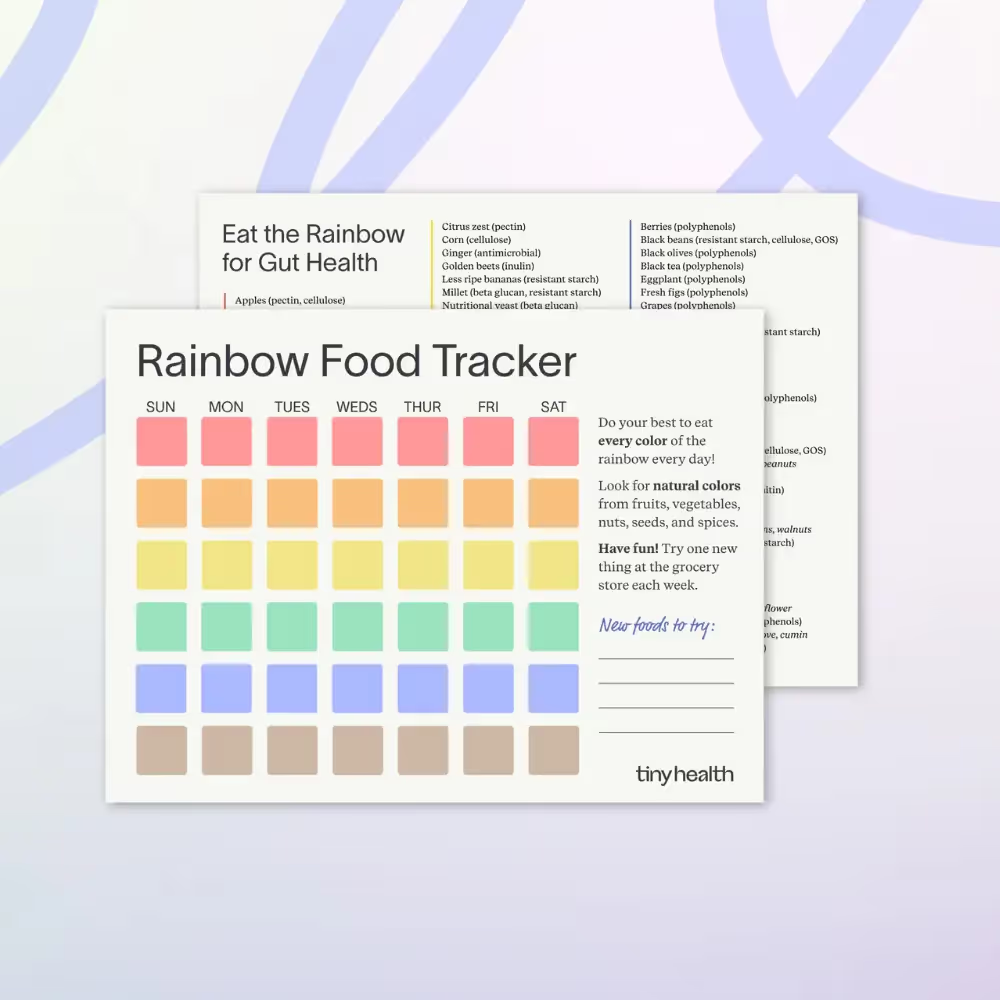
Download our FREE Rainbow Food Tracker
Includes a weekly tracking chart and color-coded list of gut-healthy foods to help your family eat the rainbow every day.
[3] J. Cha, Y. B. Kim, S.-E. Park, S. H. Lee, S. W. Roh, H.-S. Son, and T. W. Whon, “Does kimchi deserve the status of a probiotic food?,” Critical Reviews in Food Science and Nutrition, vol. 64, no. 19, pp. 6512–6525, 2024, doi: 10.1080/10408398.2023.2170319.
[15] F. M. Anjum, F. Saeed, M. Afzaal, A. Ikram, and M. Azam, “The effect of thermal processing on probiotics stability,” in Advances in Dairy Microbial Products, J. Singh and A. Vyas, Eds. Cambridge, U.K.: Woodhead Publishing, 2022.