Plenty of wellness sips can support your microbiome, and the best drinks for gut health don't have to be expensive or hard to make. Gut-healthy drinks offer many benefits, with some providing beneficial microbes. Others simply help digestion run smoothly.
Water supports hydration and regular bowel movements.
Fermented drinks like kefir provide live cultures.
Green tea and coffee contain gut-friendly polyphenols (compounds found in fruit, vegetables, and other plants).
There's no shortage of gut health drinks promising better digestion and less bloating, but which ones are actually worth sipping?
Some of the best drinks for gut health start with basics you may already have in your kitchen, like fresh ginger or green tea.
Gut-friendly drinks can play a supporting role by delivering live cultures, polyphenols, or fluids your digestive tract needs to keep things moving. No single drink will transform your gut overnight. But what’s in your glass is one important part of a bigger picture that includes your diet and lifestyle.
In this article, you’ll learn what the research says about gut-healthy drinks, which ones may ease digestive discomfort, and which ones you’re better off skipping.
Best drinks for gut health
The best gut health drink depends on what benefits you're looking for, whether that’s live cultures, polyphenols, or simple hydration. Here’s how the top options stack up.
Drink
What it delivers
Worth knowing
Kefir
Live cultures, protein, calcium
Homemade offers the most diversity; if buying store-bought, look for multiple strains and minimal added sugar
Kombucha
Fermentation-derived compounds, sometimes live microbes
Sugar, alcohol, and caffeine levels vary
Green tea
Polyphenols that interact with gut bacteria
Research is promising but limited
Ginger tea
Ginger compounds studied for digestive function
May help with nausea and gut motility (the muscle movements that push food through your digestive tract)
Fermented drinks for gut health are popular because many contain live beneficial microbes, along with compounds that may support digestion and have antioxidant and anti-inflammatory effects.
Kefir
Kefir is a milk drink made by fermenting milk with kefir grains that contain a mix of bacteria and yeasts. Depending on how long it ferments, it has a mildly tangy flavor and a texture similar to drinkable yogurt.
Kefir is a good option if you want to add extra calcium, magnesium, B vitamins (B2, B3, B5, and B12), and vitamin D when it’s made with fortified milk. It can also deliver up to roughly 240 billion colony-forming units (CFUs) per cup, depending on whether it’s homemade or store-bought [1].
Milk kefir also offers more strains of beneficial bacteria and yeasts than yogurt does [2].
Kefir milk is especially powerful for gut health because it helps crowd out harmful bacteria, and strains like Lactobacilluskefiri show antibacterial and anti-inflammatory properties [3]-[5].
If you’re not fond of intense tangy flavors, water kefir is also an option. While it doesn’t have the wide range of species that milk kefir has, you can still get around 10 bacterial species, depending on your grains, water mineral content, and temperature [6]. Early studies suggest that water kefir may also have anti-inflammatory and antioxidant properties [7].
Keep in mind, whether you're buying water kefir or milk kefir, store-bought kefir drinks don’t have the diverse range of species that traditional kefir has, so it’s best to stick to homemade kefir if you can [8].
Kombucha
Kombucha is a fermented drink made by adding a SCOBY (symbiotic culture of bacteria and yeast) to sweetened tea. Like kefir, it’s tangy and slightly fizzy. Kombucha can contain many microbial species, though the mix depends on brew time, temperature, tea used, location, and the starting SCOBY [9]. It also has antimicrobial and antioxidant properties, and a small pilot study suggests it may support healthy blood sugar levels [10].
One study examining 39 commercially available kombucha products found that one cup contains a median maximum count of roughly 7.6 million CFU’s [11].
Keep in mind that not all store-bought fermented drinks contain live cultures. Some brands' drinks are truly fermented rather than just fermented-flavored.
Pre- and probiotic sodas
Prebiotic and probiotic sodas are sparkling drinks made with plant-based fibers, live beneficial bacteria, or both. They’re designed to feed your gut microbiome and, in the case of probiotic sodas, temporarily introduce live cultures to your gut.
Some brands offer prebiotic sodas, others offer probiotic sodas, and a few, like WildWonder, combine both in one can. Depending on the drink, you’ll likely see ingredients like chicory root, cassava root, and apple, along with a few strains of beneficial bacteria such as Bifidobacterium, Bacillus, and Lactobacillus.
These popular sodas promise to aid digestion, support blood sugar balance, and boost overall health, but scientific evidence is still limited.
That said, the plant-based fibers in these sodas may reach your large intestine and help feed your existing gut bacteria. When those bacteria break down fiber, they produce short-chain fatty acids (SCFAs), small molecules that help support a healthy gut environment and your overall health. The live cultures in probiotic sodas may add to these benefits, though more research is needed.
Teas and polyphenol-rich drinks
Green, black, oolong, white, herbal: the tea aisle can feel endless. Many contain polyphenols, plant compounds that may help fight free radicals and inflammation while also feeding your gut bacteria.
Great teas for gut health include:
Ginger tea: May help calm nausea [12]
Green tea: Packed with a compound called catechins that may help fight free radicals and may reduce some inflammatory markers [13]
Peppermint tea: Contains menthol, which may relax your intestinal muscles [14]
Coffee counts, too. It’s rich in polyphenols, which help to feed healthy gut bacteria. It may also help keep you regular by triggering muscle contractions in your colon [15], [16].
Water: The everyday basic
Plain water might not be exciting, but it's one of the healthiest drinks for your gut.
Drinking enough water helps keep stool soft and regular, especially when you’re eating enough fiber, and animal research suggests hydration may also help maintain a balanced gut microbiome [17]. Water is a key ingredient in digestive-related juices like bile, gastric juices, and saliva [18].
Let’s not forget about nutrient absorption. All your B vitamins and vitamin C are water-soluble, meaning they can’t be absorbed without water [19].
If plain water isn’t your thing, try sparkling water or mineral water for added calcium, magnesium, potassium, and bicarbonate.
Drinks that may help support digestion and bloating
Different digestive complaints call for different drinks. Use this table to match a drink to what you want to ease.
Symptom
Drinks to try
How they may help
Bloating after meals
Peppermint or ginger tea
May ease discomfort, although tea-specific evidence is limited [12], [14]
Constipation
Water or prune juice
Supports hydration; prune juice contains sorbitol, a natural sugar alcohol with a mild laxative effect [20]
Nausea
Ginger tea
Ginger compounds may help reduce nausea [12]
Feeling overly full
Warm water or ginger tea
Provides fluids; ginger may support gastric emptying [21]
These drinks may ease digestion and bloating, but aren't guaranteed solutions. If symptoms persist, talk to your practitioner.
What to drink after a meal
The best post-meal go-to is a glass of water, but you may want to switch it up based on how you feel. Feeling nauseous or overly full? Try ginger tea. For cramps or spasms, heat some peppermint tea. If you’re just feeling off after a meal, see if milk kefir hits the spot.
Homemade gut health drinks
You don't need expensive supplements or elaborate recipes to make homemade drinks for gut health. Here are a few simple options.
Homemade drink
Simple ingredients
Why it may help
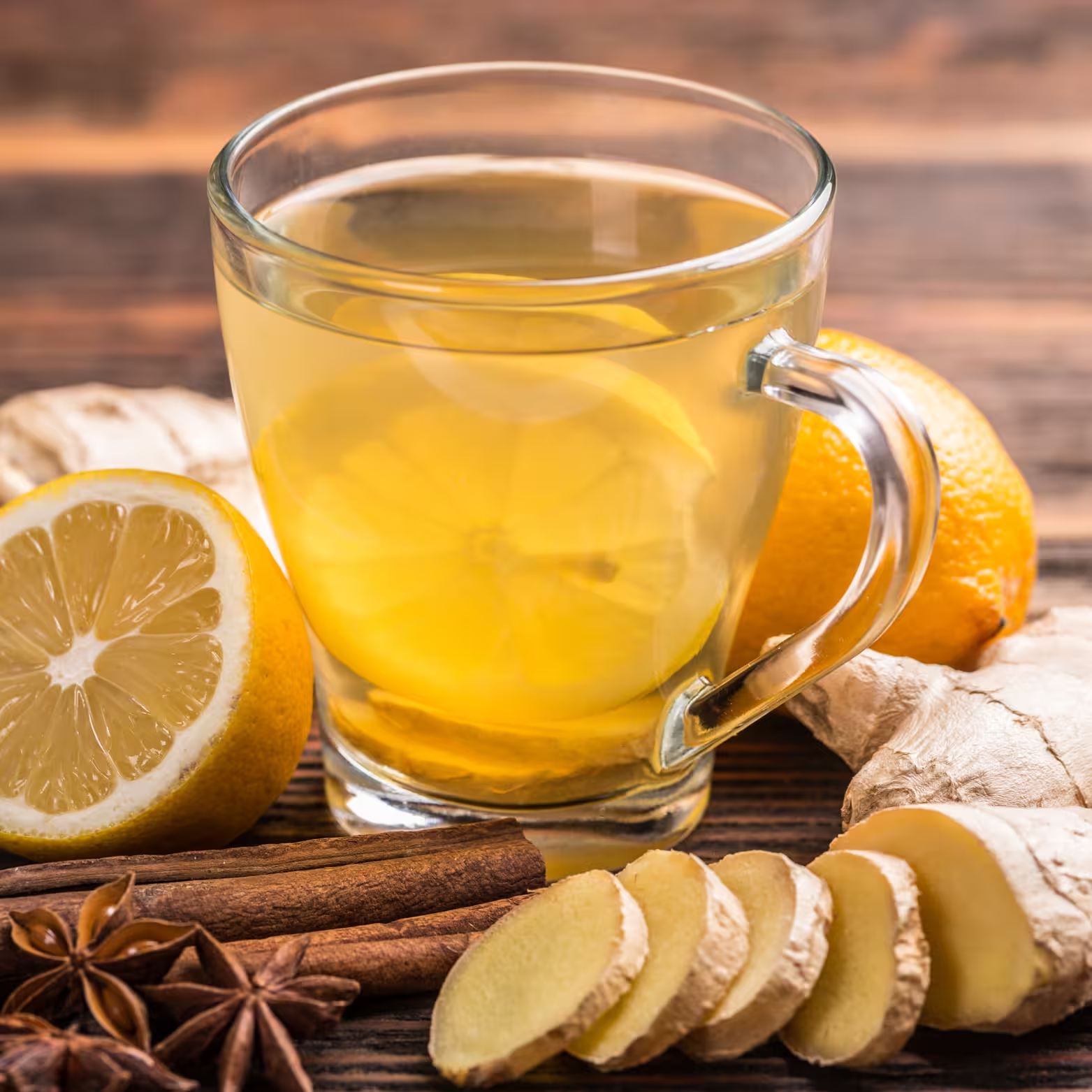
Ginger lemon water
Fresh ginger, lemon, warm water
Hydrating and may ease nausea
Berry kefir smoothie
Plain kefir, mixed berries
Provides live cultures, polyphenols, and fiber
Overnight mint tea
Mint leaves, water
Refreshing, caffeine-free hydration that may calm spasms and reduce bloating and gas
Green tea berry cooler
Brewed green tea, berries, ice
Provides polyphenols without added sugar
Prebiotic smoothie
Green banana, strawberries, oats, plain yogurt or Greek yogurt
Supplies prebiotic fiber from banana and oats, plus live cultures from yogurt
You can tailor these recipes to your dietary needs, so use dairy alternatives or swap ingredients that don’t agree with you.
Short-term dietary changes may alter microbial composition
There’s no proven microbiome reset drink
Detox teas remove waste
Laxative ingredients stimulate bowel movements
Frequent use may cause dehydration or electrolyte imbalances
Rather than relying on gut-cleansing drinks, focus on a varied diet, adequate hydration, and sustainable habits that support microbiome diversity and keep you regular. A Gut Health Test can show you which areas of your microbiome may benefit most from those changes.
Drinks to skip or limit
As the physician Paracelsus famously put it, “the dose makes the poison,” meaning anything in excess can be harmful, even water. That said, some drinks are worth limiting, or avoiding altogether when possible.
Drink
Potential downside in gut
Better swap
Sugary soda
High added sugar, little nutritional value, limit as much as possible
Sparkling water with fruit
Alcohol
Heavy consumption may affect the intestinal barrier and microbiome, skip if you’re trying to balance your gut
Herbal mocktail
Sweetened juice
Concentrated sugars with little fiber, avoid as much as possible
Whole-fruit smoothie
Energy drinks
Caffeine and sugar may aggravate digestive symptoms, skip if you’re in a flare
Unsweetened tea
Sugar-free drinks
Certain artificial sweeteners and sugar alcohols may affect gut microbes or cause discomfort, limit as much as possible [22]
Water or unsweetened flavored water
You don't need to eliminate every drink you enjoy, but it can help to temporarily cut back on certain beverages if you’re managing digestive symptoms or trying to balance your microbiome.
Building a gut-friendly drink day
Supporting your gut can be as simple as making thoughtful choices throughout the day.
Time
What to sip
Morning
Water, followed by coffee, ginger tea, or green tea if tolerated
With meals
Water or a small serving of milk kefir/water kefir
After meals
Ginger tea if you’re feeling uncomfortable
Evening
Water or caffeine-free herbal tea
The goal isn't to drink as many probiotics as possible but rather to build habits that complement a diverse diet rich in pre- and probiotics. This ensures that you have the fuel for beneficial bacteria (prebiotics) and you add friendly bacteria as you need them.
Tiny Health can show you what your gut responds to
Everyone's gut microbiome is different, which helps explain why the same fermented drink might agree with you but leave your friend feeling bloated.
Testing over time can help you explore how your microbiome changes alongside your dietary habits, including introducing fermented foods and drinks.
Although gut health testing can't confirm whether microbes from a particular drink have permanently established themselves in your gut, it offers a more personalized look at your microbial ecosystem. And just as important, it can help you make informed choices about your wellness routine.
What you should know
FAQ: Gut health drinks
Are there gut-friendly energy drinks?
Some gut-healthy energy drinks contain added probiotics, but their benefits depend on the ingredients and amounts. Excessive levels of caffeine or sugar may aggravate your digestive symptoms and negate any probiotic benefits.
Are there drinks for clear skin and a healthy gut?
There are no drinks that will magically clear your skin or fix your gut health. Skin and gut health depend on your overall diet, activity, stress level, and personal hygiene. That said, drinking beverages that contain polyphenols or live cultures helps support gut health and overall wellness.
How much water do I need for healthy digestion?
Your fluid requirements depend on your body size, activity, climate, and diet. Sipping throughout the day and monitoring your thirst and urine color can help you figure out how much water is best for you. Ideally, your urine should be pale yellow, like light straw. Staying well hydrated also helps keep stools soft and easier to pass.
Is sparkling water bad for my gut?
Generally, no. Sparkling water supports hydration just like still water, although carbonation may worsen bloating or reflux if you’re sensitive. Keep in mind carbonation may damage tooth enamel.
Can I drink kombucha every day?
Since kombucha is packed with beneficial bacteria, you’ll need to gradually introduce it to your diet to prevent symptoms like diarrhea and bloating. Most healthy adults can enjoy modest amounts of commercially prepared kombucha, but it’s always best to check the sugar, caffeine, and alcohol content.
Is cold water worse for digestion than room-temperature H₂O?
There's no convincing evidence that cold water is bad for digestion. Choose what you like.
Are store-bought probiotic shots better than fermented foods?
Not necessarily. Probiotic shots (small-dose drinks that typically contain live bacteria, vitamins, and plant extracts) may contain specific strains, but store-bought probiotic drinks tend to have a limited number of strains. If you’re looking for a greater variety of beneficial bacterial strains, then homemade may be a better choice. Store-bought probiotic shots are usually best if you’re looking for convenience or you want specific strains of bacteria.
Is milk hard on the gut for most people?
It depends on whether you produce the enzyme that breaks down the sugar (lactose) in milk. If you lack this enzyme, you may experience gas, bloating, or diarrhea.
When to seek medical attention
Most people can stay hydrated with regular drinks throughout the day, but dehydration can become serious, especially during a bout of diarrhea or vomiting. Contact your healthcare practitioner if you notice:
Very dark urine or little to no urine for eight hours or more
Dizziness or lightheadedness, especially when standing up
A rapid heartbeat or rapid breathing
Confusion, extreme tiredness, or fainting
Vomiting or diarrhea that makes it hard to keep fluids down
In babies and young children, watch for fewer wet diapers than usual (or none for three hours or more), crying without tears, a dry mouth, a sunken soft spot on the head, or unusual sleepiness or fussiness.
If you're using cleansing drinks to control your weight or replace meals, discuss with your practitioner.
Written by: Anna Meyer, CPT, CNC
Anna simplifies health and wellness science to help people make informed decisions about their well-being.
Dr. Hannah Sturgeon, a Neuroscience Ph.D. from Georgia State University, specializes in microbiome research with expertise in early gut-brain-immune development.
[16] S. S. Rao, K. Welcher, B. Zimmerman, and P. Stumbo, “Is coffee a colonic stimulant?,” Eur. J. Gastroenterol. Hepatol., vol. 10, no. 2, pp. 113–118, Feb. 1998, doi: 10.1097/00042737-199802000-00003.
[19] J. Lykstad and S. Sharma, “Biochemistry, Water Soluble Vitamins,” in StatPearls, Treasure Island (FL): StatPearls Publishing, 2023. Accessed: Nov. 10, 2026.