The low oxalate diet cuts back on foods high in oxalate, a naturally occurring compound linked to calcium oxalate kidney stones. Here's what to eat, what to limit, and how your gut bacteria affect how much oxalate your body actually absorbs.
The Low-Oxalate Diet: What to Eat and Why It Works
Summary
Ever been told you’re prone to kidney stones? Or maybe you have Crohn’s disease or another type of IBD, or you’ve had bariatric surgery, and your practitioner mentioned oxalate. The low-oxalate diet isn’t about cutting out entire food groups forever. It’s a focused way to reduce how much oxalate your body absorbs and eventually filters through your kidneys. And your gut bacteria play a bigger role in that process than you might think.
In this article, you’ll learn what to eat and what to limit, how gut bacteria like Oxalobacter formigenes break down oxalate before you absorb it, and simple ways to get started.
What is the low-oxalate diet?
Oxalates (also called oxalic acid) are natural compounds found in many plant foods. Your body doesn't need them. They just pass through your gut and get flushed out, mostly through urine. The problem starts when too much oxalate is absorbed and binds with calcium in your kidneys, forming calcium oxalate crystals. That's the most common type of kidney stone.
At a glance, the low-oxalate diet leans on:
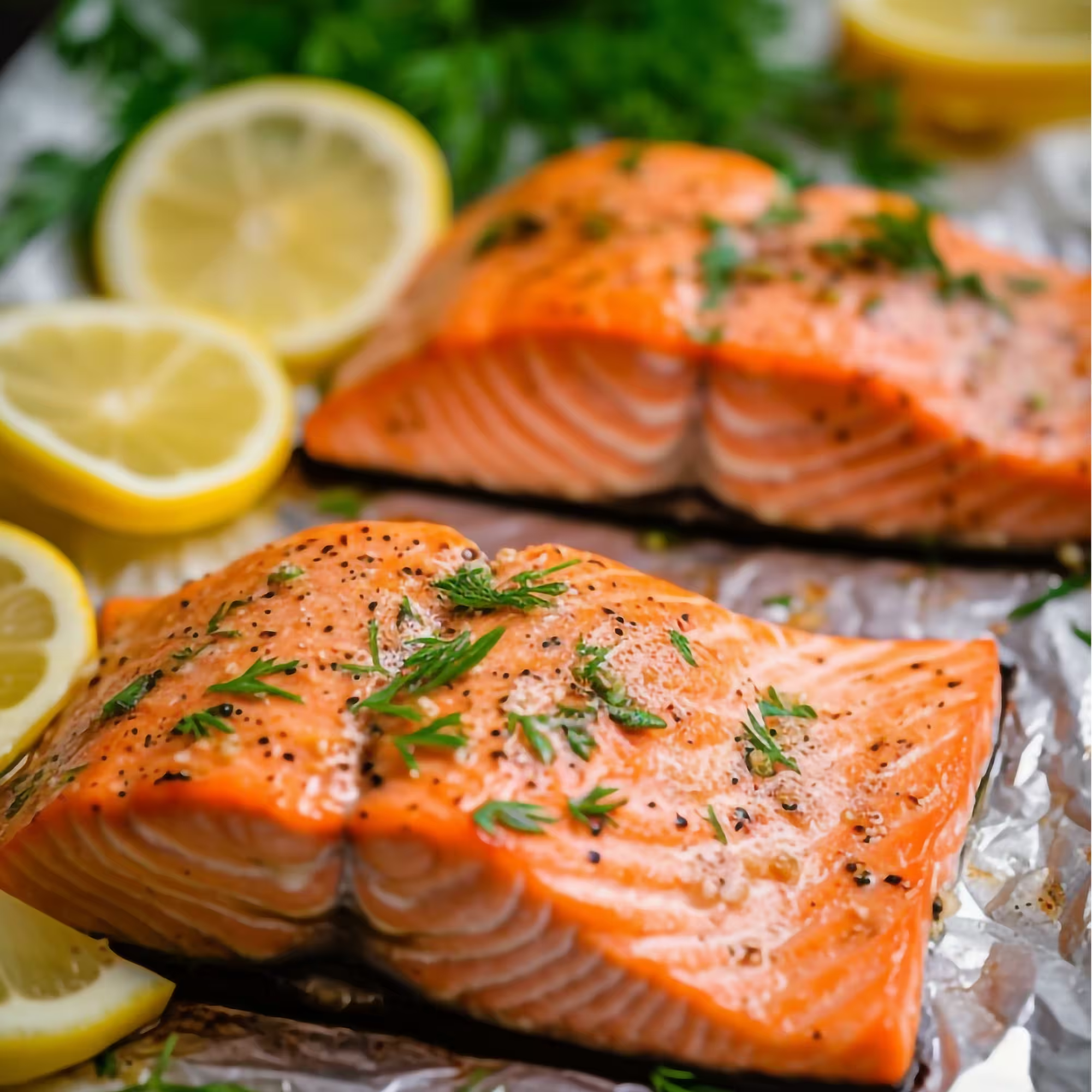
- Meat, poultry, fish, and eggs (naturally very low in oxalates)
- Dairy like milk, yogurt, kefir, and cheese
- Lower-oxalate veggies like cauliflower, cabbage, peas, and broccoli
- Lower-oxalate fruits like apples, bananas, and melon
- White rice, refined breads, and pasta
- Calcium-rich foods eaten alongside meals, which help "trap" oxalate in your gut before it gets absorbed
It cuts back on:
- Spinach, beet greens, and Swiss chard, some of the highest-oxalate veggies out there
- Nuts, especially almonds and cashews
- Wheat bran and buckwheat
- Chocolate and cocoa
- Beets and rhubarb
- Big doses of vitamin C supplements (over 2,000 mg a day), since your body can turn extra vitamin C into oxalate
How much oxalate is too much?
Oxalate is measured in milligrams. Most low-oxalate diets aim to stay under 100 mg a day. Some practitioners recommend a stricter 40 to 50 mg a day if your urinary oxalate is running high. The right number ultimately depends on you, and your practitioner may consider a 24-hour urine test to set a personalized target.
How much oxalate is in a typical diet?
Most people eating a typical American diet aren't anywhere close to "zero oxalate" to start with. One large study that followed almost 240,000 people found that men eat around 214 mg a day on average and women about 184 mg a day, with spinach alone making up over 40% of that [9]. Other research found daily amounts anywhere from 44 mg to over 350 mg, and just one normal serving of a really high-oxalate food like spinach or rhubarb can push you past 1,000 mg in a single day [10]. So a typical diet often runs at roughly double the usual 100 mg target, and a handful of specific foods usually does most of the damage, not everyday eating in general.
How do you figure out how much oxalate is in a food?
This is trickier than it sounds. The same food can have very different oxalate levels depending on the variety, how it was grown, how ripe it is, and how it's cooked (boiling pulls out a good chunk of soluble oxalate, while roasting or dehydrating actually concentrates it). Solid, consistent food tables have historically been hard to come by. A 2014 review even described the state of oxalate food data as "a tangled web," since different databases and lab methods can yield widely varying numbers for the same food [11]. A few tips that help:
- Stick with one reputable, regularly updated source rather than mixing numbers from different sources, since testing methods vary widely across databases.
- Treat the numbers as estimates, not exact facts, especially for fruits and veggies, since oxalate levels can shift a lot from one growing season (or even one plant) to the next.
- Focus on the big picture over precision. Knowing spinach, almonds, and wheat bran are reliably high, and meat/seafood, dairy, eggs, cabbage, bananas, and citrus are reliably low, matters more than chasing an exact milligram count at every meal.
- Lean on a registered dietitian or your care team to help make sense of oxalate numbers from food alongside your actual 24-hour urine results, instead of trying to nail an exact number on your own.
Why people try the low-oxalate diet
Most people try this diet to prevent or reduce the risk of calcium oxalate kidney stones, since these make up the majority of kidney stones. Here's what the research shows:
- It lowers urinary oxalate, a big driver of stone formation. A well-known trial found that a diet with normal calcium, along with less animal protein and salt, cut kidney stone recurrence over five years compared to a low-calcium diet, mostly by lowering urinary oxalate [1].
- It matters even more with certain digestive health conditions. People with Crohn's disease, other types of IBD, or a history of bariatric surgery are more prone to something called enteric hyperoxaluria, where fat malabsorption causes the gut to soak up way more oxalate than usual [5].
- Pairing oxalate with calcium matters just as much as cutting oxalate. Calcium binds to oxalate in your gut before it can be absorbed, so eating calcium-rich foods alongside oxalate-containing meals (instead of avoiding calcium altogether) is now seen as a core part of this approach [1].
- It may matter even more if you're missing key gut bacteria. New research suggests that certain gut bacteria play a real role in how much dietary oxalate your body ultimately absorbs [3], [6].
The gut bacteria connection
Long before oxalate reaches your kidneys, it passes through your gut, where certain bacteria can break it down before your body can absorb it.
Oxalobacter formigenes: the specialist
Oxalobacter formigenes is a gut bacterium that actually uses oxalate as its main fuel source, breaking it down into less harmful stuff. People colonized with this bacteria tend to have lower urinary oxalate levels, and its presence has been linked to a lower risk of recurrent kidney stones [3].
Other bacteria pitch in, too
O. formigenes isn't the only one doing this work. A handful of other common gut bacteria carry the genes for the same two oxalate-breaking enzymes it uses, called oxalyl-CoA decarboxylase (oxc) and formyl-CoA transferase (frc), even though breaking down oxalate isn't their main job. Some notable ones:
- Lactobacillus species, including L. acidophilus, L. plantarum, and L. rhamnosus
- Bifidobacterium species, including B. animalis and B. lactis
- Escherichia coli
- Enterococcus faecalis
- Eubacterium lentum
The big difference from O. formigenes is that these bacteria usually break down oxalate as a side job, not their main gig [6], [7]. They'll chip away at some oxalate as they go about their normal business, but they're generalists, not specialists. This is part of why a diverse mix of gut bacteria overall, not just one specific species, seems to matter for how much oxalate your body absorbs. Less bacterial diversity overall has also been observed in people with calcium oxalate kidney stones, beyond just whether they have this one species [3]. So the gut-kidney connection is more complicated than a single "good bacteria vs. bad bacteria" story.
Antibiotics can wipe out this helpful bacterium
Because O. formigenes is one specific species (not a job shared by lots of backup bacteria), it's especially easy to knock out. One study found that a course of antibiotics used to treat H. pylori significantly and persistently suppressed O. formigenes colonization [2]. This might help explain why some people who've had a lot of antibiotics over the years end up with a higher stone risk down the road: a large population study found that antibiotic exposure was linked to increased odds of developing kidney stones, with the elevated risk persisting for up to five years afterward [12].
Probiotics look promising, but the evidence isn't there yet
It's tempting to think popping a daily probiotic with oxalate-degrading strains could meaningfully lower your stone risk. But a 2025 review of probiotic and synbiotic studies found that, while the idea is biologically sound and appears safe, no study demonstrated a meaningful reduction in confirmed kidney stone recurrence, and the overall evidence is limited by small sample sizes and short follow-up periods [4]. So for now, probiotics targeting oxalate aren't a proven swap for dietary changes.
How long should you stay on this diet?
Unlike some elimination diets that last only a few weeks before you reintroduce foods, a low-oxalate diet is usually something you stick with long term, not a quick fix. Your urinary oxalate can actually drop within days of cutting back on high-oxalate foods. Still, real reductions in stone formation or growth usually take months to show up, and staying consistent over the long haul is what actually makes the difference.
This tracks with how kidney stones tend to behave in general: at least half of people who get a stone will get another one within ten years. That's part of why national urology guidelines recommend ongoing diet and metabolic management with regular follow-up urine testing, rather than a diet you finish and move on from [8]. Think of it less like a 30-day reset and more like a lasting habit, one you adjust over time based on your actual urine and stone-risk numbers rather than following rigidly forever without checking in.
Why testing your microbiome matters
Since oxalate degradation depends so much on which bacteria are actually living in your gut, two people eating the same diet can end up absorbing very different amounts of oxalate. Someone with plenty of Oxalobacter formigenes and a good mix of backup oxalate-degraders might handle moderate-oxalate foods just fine. Someone who's lost that bacteria, whether from antibiotics, a GI condition, or just never having had it, might need to be a lot more careful with those same foods [2], [3].
Testing your gut microbiome at home can show whether your microbiome actually has these oxalate-degrading genes in the first place, instead of just guessing. Pair that with a 24-hour urine oxalate test, and you get a much clearer picture: one shows what's happening in your gut, the other shows what's actually reaching your kidneys. Together, they can help you and your provider figure out whether dietary oxalate is really driving your risk, or whether something else, like not drinking enough water, not pairing calcium with meals, or a malabsorption issue, deserves more attention.
Simple ways to get started
You don't need to memorize an entire food list overnight. A few practical starting points can make this easier:
- Pair oxalate-containing foods with a calcium source. Since calcium binds oxalate in your gut, having dairy, fortified plant milk, or another calcium source alongside a higher-oxalate meal can reduce how much is actually absorbed.
- Drink plenty of water. More fluid dilutes your urine, which helps keep oxalate and calcium from concentrating enough to form crystals.
- Skip the mega-dose vitamin C supplements. Anything over 2,000 mg a day can get converted into oxalate in your body, adding to your total load.
- Ask your provider about a 24-hour urine test. This can tell you whether oxalate is actually a real factor in your stone risk, instead of guessing off a food list.
- Work with a registered dietitian, especially if you have a digestive condition. This matters even more if you have IBD, a history of bariatric surgery, or another cause of fat malabsorption, since your body may handle oxalate differently than someone without those conditions [5].
- Don't cut calcium along with oxalate. A common mistake is thinking you need to restrict both together. In most cases, getting enough calcium actually helps; it doesn't hurt.
High-oxalate to low-oxalate food swaps
Since so many otherwise healthy foods are naturally high in oxalate, it helps to think in terms of swaps:
| High-oxalate food | Lower-oxalate swap |
|---|---|
| Spinach, beet greens, or Swiss chard | Lettuce, cabbage, or arugula |
| Almonds or cashews | Macadamia nuts or peanuts |
| Beets | Carrots |
| Chocolate or cocoa | Carob |
| Wheat bran or buckwheat | White rice or rice-based cereal |
| Black tea | Peppermint or ginger tea |
| Rhubarb | Apples or pears |
| Okra | Green beans or zucchini |
| Navy beans | Kidney beans or black-eyed peas |
| Baked potato with skin | Peeled potato or cauliflower |
| Sweet potatoes | Winter squash (butternut or acorn) |
| Soy products (tofu, soy milk, edamame) | Chicken, eggs, or dairy-based alternatives |
| Dried figs or dates | Fresh apples or a small serving of blueberries |
| Raspberries | Blueberries or blackberries |
| Wheat germ or grits | Oat bran or cream of rice |
| Sesame seeds or tahini | Sunflower seed butter |
| French fries | Air-fried or boiled potato without the skin |
| Large servings of raw onion | Chives or the green parts of scallions |

Your path to a healthier gut
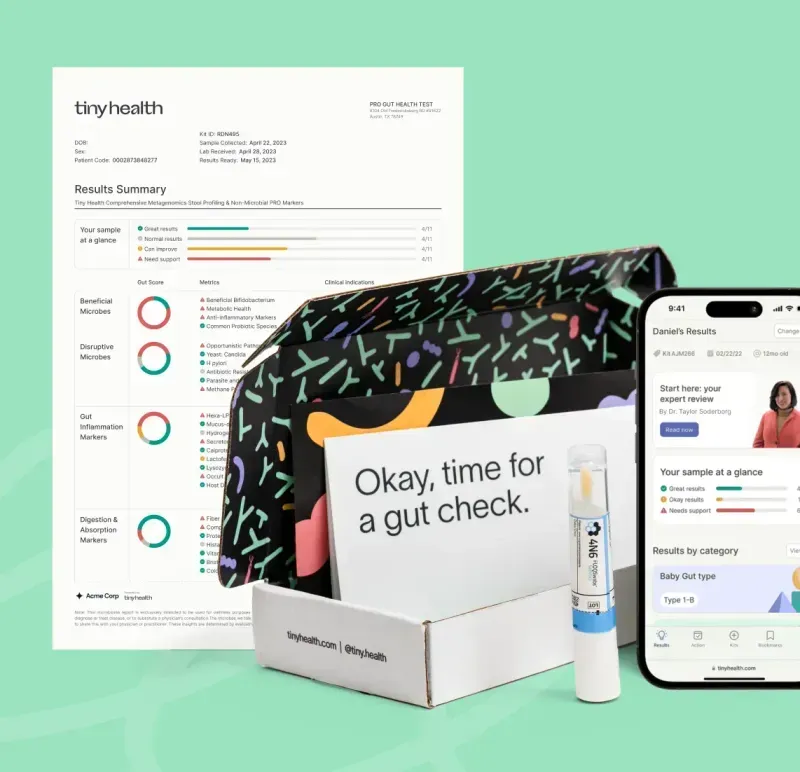
This diet works best as a targeted, personal approach, not as a blanket ban on every plant food that contains any oxalate. If kidney stones or a digestive condition like IBD are part of your story, working with a healthcare provider or dietitian can help you figure out your real oxalate load and how to pair foods the right way. And if you're curious about what's going on in your gut microbiome, including whether you have oxalate-degrading genes on board, a Tiny Health Gut Health Test can give you a clearer, more personal starting point than guessing.
Trust your gut.
Get to know your microbes with an easy, 5-minute at-home test from Tiny Health. Unlock deep gut health insights and personalized recommendations for your diet, supplements, and lifestyle.

Shelise Irby is a UC Davis-trained Registered Dietitian, functional nutrition practitioner, and Clinical Success Manager at Tiny Health.

Dr. Hannah Sturgeon, a Neuroscience Ph.D. from Georgia State University, specializes in microbiome research with expertise in early gut-brain-immune development.
References
[1] L. Borghi et al., “Comparison of two diets for the prevention of recurrent stones in idiopathic hypercalciuria,” N Engl J Med, vol. 346, no. 2, pp. 77-84, 2002.
[2] L. Nazzal et al., “Effect of antibiotic treatment on Oxalobacter formigenes colonization of the gut microbiome and urinary oxalate excretion,” Sci Rep, vol. 11, pp. 16428, 2021.
[3] A. Ticinesi, A. Nouvenne, G. Chiussi, G. Castaldo, A. Guerra, and T. Meschi, “Calcium oxalate nephrolithiasis and gut microbiota: not just a gut-kidney axis,” A nutritional perspective, vol. 12, no. 2, pp. 548, 2020.
[4] M. Bhardwaj, A. Singhal, G. Bhardwaj, and I. Dukic, “Probiotic and synbiotic interventions targeting oxalate-degrading gut bacteria for the prevention of kidney stones: a systematic review,” Cureus, 2025.
[5] J. R. Asplin, “The management of patients with enteric hyperoxaluria,” Urolithiasis, vol. 44, no. 1, pp. 33-43, 2016.
[6] S. H. Al-Kabe and A. K. Niamah, “Current trends and technological advancements in the use of oxalate-degrading bacteria as starters in fermented foods-a review,” Life (Basel), vol. 14, no. 10, pp. 1338, 2024.
[7] B. Hoppe, von Unruh G, N. Laube, A. Hesse, and H. Sidhu, “Oxalate degrading bacteria: new treatment option for patients with primary and secondary hyperoxaluria? Urol Res,” 2005, vol. 33, no. 5, pp. 372-375, 2005.
[8] M. S. Pearle et al., “Medical management of kidney stones: AUA guideline,” J Urol, vol. 192, no. 2, pp. 316-324, 2014.
[9] E. N. Taylor and G. C. Curhan, “Oxalate intake and the risk for nephrolithiasis,” J Am Soc Nephrol, vol. 18, no. 7, pp. 2198-2204, 2007.
[10] R. P. Holmes and M. Kennedy, “Estimation of the oxalate content of foods and daily oxalate intake,” Kidney Int, vol. 57, no. 4, pp. 1662-1667, 2000.
[11] K. Attalla, S. De, and M. Monga, “Oxalate content of food: a tangled web,” Urology, vol. 84, no. 3, pp. 555-560, 2014.
[12] G. E. Tasian et al., “Oral antibiotic exposure and kidney stone disease,” J Am Soc Nephrol, vol. 29, no. 6, pp. 1731-1740, 2018.
Related posts

Get $10 OFF to kickstart your microbiome health journey