The carnivore diet is everywhere, but what does eating only animal foods mean for your gut? We look at the latest research and insights from our microbiome specialist team to explain how cutting out fiber can change your gut microbiome, why some people feel better on the restrictive diet, and why Tiny Health doesn’t recommend it long-term.
Carnivore Diet and Gut Health: Is It Safe?
Summary
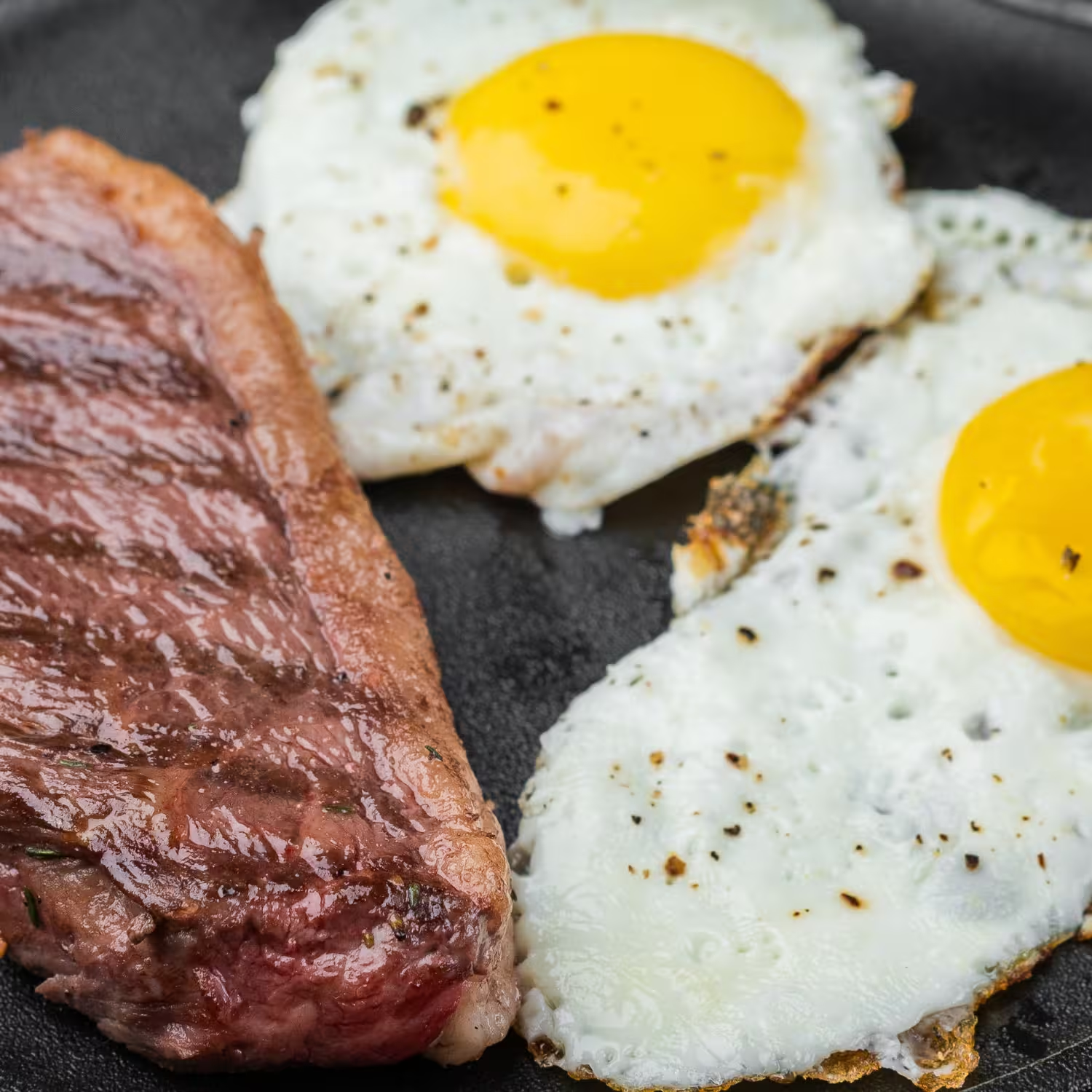
If you spend any time on social media, you've probably noticed the carnivore diet is everywhere: steak, eggs, and bold claims about what happens when you cut out entire food groups.
Some people say they feel better: less bloating, more energy, weight loss. But feeling better short-term doesn't always translate into long-term health benefits. Removing all plant foods also cuts out fiber, changing which bacteria thrive in your gut and how they function.
In this article, we look at the latest research and insights from our team of microbiome specialists, many of whom are nutritionists, to explain how cutting out fiber can affect your gut microbiome. We also explore why some people feel better on a carnivore diet, and why Tiny Health doesn’t recommend it long-term.
What can you eat on the carnivore diet?
Unlike the keto diet, which allows some plant foods, the carnivore diet cuts out plants entirely. That means no fruits, vegetables, grains, legumes, or nuts.
Most versions center on meat, fish, and eggs, while some also include dairy. Processed foods, sugar, and sweeteners, including honey, are off the menu, too. Salt is generally fine. If you’re following a stricter version, you may also skip herbs and spices.
There’s more than one way to follow a carnivore-style diet. Here’s how the most common versions differ in what they include and leave out.
| Variant | What's included | What's left out |
|---|---|---|
| Strict carnivore | Meat, fish, water | All plants, dairy, fiber |
| Lion diet | Ruminant meat (usually beef or lamb), salt, water | All other meats, dairy, plants, seasonings |
| Animal-based | Mostly meat, fish, eggs, and dairy, plus a small allowance of fruits or ferments | Grains, legumes, most produce, processed foods |

How your body adapts without carbs
When you cut carbs out completely, your body has to find a new primary fuel source, shifting from burning carbohydrates to relying mostly on fat.
Protein takes on extra jobs in this setup. Your body breaks it down into amino acids that support muscle repair, enzyme production, and, when it needs more glucose (sugar), a process called gluconeogenesis.
Eating more protein may explain why some people feel less hungry on the carnivore diet. Protein tends to be more filling than carbs or fat, which can lead to naturally eating less overall, a possible reason for early weight loss.
Why some people feel better at first
A strict carnivore diet removes many things at once: alcohol, highly processed foods, added sugars, snack foods, and certain fermentable carbohydrates. High-protein dishes often simplify meals. Any of those changes may reduce bloating, improve satiety, or lead to weight loss for some people [1].
But all of these changes at once make it hard to identify the cause of improvement. Feeling better after removing a specific food group does not necessarily mean that all plant foods, or fiber itself, were the problem.
Is the carnivore diet safe for your gut?
It depends on what you mean by safe, and for how long. Some healthy adults may tolerate a carnivore diet temporarily. But when it comes to long-term gut health, the research is limited. What we do know points to changes in the gut microbiome and its function that are worth understanding before you commit.
| Gut concern | What happens | What the evidence shows | What this means for you |
|---|---|---|---|
| Loss of dietary fiber | With no plant foods, microbes that normally rely on fiber lose their fuel source | Removing fermentable fiber changes the fuel available to fiber-associated gut microbes and may reduce fiber-fermentation activity. Although some of these microbes can persist on a carnivore diet, the long-term microbiome effects of eliminating plant foods remain uncertain [2], [3] | Without fiber, the microbes that produce beneficial metabolites for your gut lining have less to work with, which may make inflammation harder to manage |
| Microbial diversity | May shift without fiber | Findings are mixed. One 2026 cross-sectional study of long-term carnivore dieters found richness patterns and specific species shifted [4] | A less diverse gut community doesn't automatically mean it's worse, but it's less resilient and less able to bounce back from disruption |
| Microbial activity and gut barrier health | Bile-tolerant, protein-fermenting bacteria may increase | Long-term carnivore eaters had different microbial activity patterns, including changes related to protein breakdown, vitamin production, and gut barrier health [4] | These bacterial shifts have been linked to changes in your gut barrier, the layer that keeps inflammation in check |
How the carnivore diet changes your gut microbiome
Your gut bacteria feed on what you eat. So what happens when you stop eating plants and switch to an all-animal diet?
Your microbiome can shift toward the foods that are still available. Fiber-loving microbes decline, and microbes that can run on other fuel sources, like protein and bile, take over. This matters because different fuel sources produce different byproducts, and those byproducts affect your gut (and body) differently.
When gut bacteria ferment fiber, they produce short-chain fatty acids (SCFAs) like butyrate. SCFAs feed the cells lining your colon, help maintain the gut barrier, and support a lower-inflammation environment. Less fiber coming in means less SCFA production.
When gut bacteria break down protein instead, one of the byproducts is ammonia. In small amounts, your body clears this without issue. But a microbiome shifted heavily toward protein fermentation can produce more ammonia than usual, and it's linked to a less favorable gut environment, including changes to the gut lining over time.
Fiber isn't just about feeding your gut bacteria. It also adds bulk to stool and helps keep bowel movements regular.
Gut-microbiome changes can happen surprisingly fast. In a small, tightly controlled five-day study, participants who switched to an animal-based diet showed measurable changes in their microbiome within one day. Bile-tolerant microbes, including Bilophila wadsworthia and Alistipes, became more common, while some fiber-dependent species declined [3].
This was a short-term study on an animal-based diet, not a long-term carnivore study. It shows how fast gut microbes can react to a major dietary shift, but not what happens after months or years without plant foods.
Here’s what’s happening in your gut:
- Less fiber: When you stop eating plants, you also stop giving your gut bacteria fermentable fiber. Microbes that depend on fiber for fuel can decline [5], [6].
- More protein fermentation: With more protein and less carbohydrate reaching your colon, your gut bacteria have different raw materials to work with. Fermentation can shift toward compounds like ammonia and branched-chain fatty acids, rather than the beneficial short-chain fatty acids that fiber normally produces [3], [4].
- More bile-tolerant microbes: A high-fat, high-protein diet can increase bile production. That creates an environment where bile-tolerant bacteria have an advantage. Some of these microbes have been linked to gut inflammation when they become too abundant [3].
- Less fiber may affect your gut’s protective mucus layer: Animal research suggests that when fiber is scarce, some gut bacteria turn to your intestine's mucus lining for fuel instead. Over time, that may wear down the protective barrier that keeps your gut lining intact [7]. Whether the same changes occur in people following a carnivore diet is not yet clear.
What the research actually says
Here’s where things get a little less clear. There’s not much research on the long-term effects of a carnivore diet, especially when it comes to the gut microbiome. Many studies are small or short, and some of the strongest claims come from people sharing their own experiences rather than from controlled trials.
That doesn’t mean those experiences aren’t worth hearing. It just means we can’t assume the diet itself is responsible for every change someone notices or is safe for the long term.
| Study or finding | What researchers looked at | What it suggests |
|---|---|---|
| Large self-report survey | People following a carnivore diet reported their own symptoms and health changes | Many people said they felt better. But without a control group or objective testing, it's hard to know how much came from the diet itself versus other changes, such as losing weight or cutting out highly processed foods [2] |
| Short-term controlled animal-based diet study | Participants ate either an animal-based or plant-based diet for five days | The microbiome began to change within a day. That shows just how quickly your gut bacteria can respond to major changes in what you eat, but it doesn't tell us what happens over the long term [3] |
| Diversity and functional studies | Long-term carnivore dieters were compared with people eating a more varied diet | Overall microbial diversity was similar, but the microbes differed in how they functioned, including pathways tied to protein fermentation, vitamin production, and gut barrier function [4] |
The biggest unanswered question is not whether the microbiome changes when food groups are excluded; it clearly does. It is whether the changes seen during long-term carnivore eating lead to better, worse, or neutral health outcomes over time. We do not yet have the controlled, long-term human studies needed to answer that.
Common claims vs. the evidence
This is where the conversation about the carnivore diet can get pretty heated. You’ll find plenty of strong claims online, but the research doesn’t always back them up. Here’s a closer look at some of the most common ones.
| Common claim | What the evidence shows | Bottom line |
|---|---|---|
| "You don't need fiber for a healthy gut" | Fiber feeds the bacteria that produce short-chain fatty acids like butyrate, which support your gut lining [7]. Higher fiber intake has also been linked to a lower risk of colon and rectal cancers across multiple studies [8]. | Fiber does more than feed your microbiome and help with regular bowel movements. It also supports your gut lining and may help lower cancer risk. |
| "It fixes autoimmune issues" | Most reports of improvement are anecdotal and come from people who chose the diet themselves. | Controlled research doesn't support this claim. |
| "It helps leaky gut" | Removing common trigger foods may ease digestive symptoms for some people in the short term, but research suggests that going without fiber can negatively affect the protective mucus layer in your gut [7]. | Feeling better short-term doesn't mean your gut lining is being supported long-term. |
Who may tolerate it and who should be cautious
Not everyone responds to the carnivore diet in the same way. Your gut microbiome is unique to you, so a diet that feels great for one person may not feel so great for someone else.
| Profile | Likely tolerance | Considerations |
|---|---|---|
| Short-term elimination diet | Some people may tolerate a few weeks reasonably well. | If you try it, have a plan for gradually bringing plant foods and fiber back into your diet. |
| History of constipation or IBS | Some people may notice fewer symptoms at first, while others may feel worse. | Symptom relief on a low-fiber diet doesn't necessarily tell you what's happening with your gut microbiome. |
| Kidney or cardiac risk factors | Exercise caution. | A very high-protein, high-saturated-fat diet may not be a good fit. Saturated fat can raise LDL cholesterol, especially when it replaces unsaturated fats [9]. High-protein diets have also been linked to the risk of kidney stone formation [10], [11]. Also, higher protein and no plant foods (which normally add fluids) make dehydration a real risk. Talk with your practitioner before making a major diet change. |
| History of disordered eating | Caution advised. | Highly restrictive diets can be difficult to navigate. Talk with your practitioner before trying one. |
Cutting out fiber may help reduce symptoms like bloating for some people, especially if certain types of fiber are hard for their gut to handle. But symptom relief and a balanced, resilient microbiome are not the same thing.
"I think there's a disconnect between symptom reduction and balancing the microbiome for long-term benefits. If someone lacks beneficial bacteria that help digest fiber, then avoiding fiber would indeed help them avoid bloating (or other symptoms). But we know that the root cause of the issue is really to build up beneficials slowly, and a carnivore diet lacks prebiotic foods," said Emily Cerda, CNS, LDN, NBC-HWC, microbiome specialist.
In clinical nutrition, therapeutic diets are typically short-term. Emily continued, "The ideal would be to use a therapeutic diet for symptom relief, while working on the underlying issues during a 3-month window, establishing beneficials, reducing disruptives, and slowly introducing prebiotics and fiber, so that the diet can be dropped after that time. Not to mention, these types of diets are restrictive and can lead to disordered eating."
A carnivore diet takes that elimination much further, and there isn't enough research to recommend it as a long-term strategy for gut health [2].
Signs your gut is struggling on the carnivore diet
A few digestive changes can happen when you make a major shift in your diet. But if symptoms stick around or keep getting worse, it's worth paying attention to them.
- Persistent constipation or diarrhea that doesn't resolve after the first couple of weeks
- New bloating, gas, or discomfort that wasn't there before
- Unusual fatigue, brain fog, or mood changes alongside digestive symptoms
These signs don't necessarily mean something is wrong with your microbiome. They're simply signals that your body may not be loving the change.
How to bring back fiber
If you've been eating carnivore for a while, you don't need to go from zero to a giant stir fry overnight. Give your gut some time to adjust.
- Start small. Try small portions of plant foods and see how you feel.
- Go for cooked foods first. Cooked vegetables are often easier to digest than raw ones.
- Add fiber gradually. Increase the amount over several weeks rather than making a huge jump all at once.
- Pay attention to your symptoms. If bloating, gas, or changes in bowel habits show up, slow down and give your gut more time to adjust.
Beyond diet: what to monitor
Your diet is only one piece of the gut health puzzle. If you're trying a carnivore diet or moving away from one, a few other things are worth keeping an eye on:
- Nutrients: Going all-in on animal foods can make it easier to miss out on certain nutrients, especially if your meals look similar day after day. Carnivore-style meal plans may come up short on vitamin C, thiamin, magnesium, calcium, and potassium. Some versions may also be low in folate, iodine, or iron [12]
If you’re relying on supplements to fill the gaps, it’s a good idea to check in with your practitioner rather than guessing what you need.
- Cholesterol: A standard lipid panel can show how your cholesterol markers are changing, especially if your diet is high in saturated fat.
- Your gut microbiome: Symptoms only tell you part of the story. A gut microbiome test can give you another look at what's happening in your gut.
- Bowel habits: Pay attention to regularity and stool consistency over time, rather than focusing on a single day.
- Energy and mood: Notice how your energy, focus, and mood change along with your digestive symptoms.
How Tiny Health can track your gut on a carnivore diet
While the research is still emerging, we do know that cutting out fiber and all plant foods changes your gut microbiome in ways that aren't fully understood. And the people who feel best on the carnivore diet often have no idea what's actually happening in their gut. Feeling fine is not the same as your microbiome being fine.
"I've had many consultations with practitioners of carnivore diet patients who are just curious and checking in on their health because they have no symptoms and have never felt better. Nine times out of ten, the gut results are really rough, and the practitioner is shocked to see it. I always try to put attention on the microbiome's interaction with so many other body systems, with a look to future health outcomes, but many people aren't interested in that education when they aren't experiencing symptoms," said Emily.
That gap between symptoms and what's actually going on in your gut is exactly why testing matters more than how you feel. A Tiny Health Adult Gut Health Test can give you a baseline before you make a major diet change. The test looks at your overall gut microbiome, including the bacteria involved in fiber breakdown and short-chain fatty acid production. You'll get the support you need to build a more diverse, resilient microbiome.

Trust your gut.
Get to know your microbes with an easy, 5-minute at-home test from Tiny Health. Unlock deep gut health insights and personalized recommendations for your diet, supplements, and lifestyle.

Nicki demystifies microbiome science so families can make informed decisions about their health.

Dr. Pamela Nieto has over 10 years of experience in basic research and gut and vaginal microbiome test development.
References
[1] M. Cuenca-Sánchez, D. Navas-Carrillo, and E. Orenes-Piñero, “Controversies Surrounding High-Protein Diet Intake: Satiating Effect and Kidney and Bone Health,” Adv Nutr, vol. 6, no. 3, pp. 260–266, May 2015, doi: 10.3945/an.114.007716.
[2] A. Lietz, J. Dapprich, and T. Fischer, "Carnivore Diet: A Scoping Review of the Current Evidence, Potential Benefits and Risks," Nutrients, vol. 18, no. 2, p. 348, Jan. 2026, doi: 10.3390/nu18020348.
[3] L. A. David et al., "Diet rapidly and reproducibly alters the human gut microbiome," Nature, vol. 505, no. 7484, pp. 559-563, Jan. 2014, doi: 10.1038/nature12820.
[4] A. Karačić et al., "Long-term adherence to the carnivore diet and its impact on the gut microbiota: a cross-sectional study," Microbiota Host, vol. 4, no. 1, Feb. 2026, doi: 10.1530/MAH-25-0015.
[5] A. Karačić et al., "The gut microbiome without any plant food? A case study on the gut microbiome of a healthy carnivore," Microbiota Host, vol. 2, no. 1, Feb. 2024, doi: 10.1530/MAH-24-0006.
[6] J. Fu, Y. Zheng, Y. Gao, and W. Xu, "Dietary fiber intake and gut microbiota in human health," Microorganisms, vol. 10, no. 12, p. 2507, Dec. 2022, doi: 10.3390/microorganisms10122507.
[7] M. S. Desai et al., "A dietary fiber-deprived gut microbiota degrades the colonic mucus barrier and enhances pathogen susceptibility," Cell, vol. 167, no. 5, pp. 1339-1353, Nov. 2016, doi: 10.1016/j.cell.2016.10.043.
[8] D. Aune et al., “Dietary fibre, whole grains, and risk of colorectal cancer: systematic review and dose-response meta-analysis of prospective studies,” BMJ, vol. 343, p. d6617, Nov. 2011, doi: 10.1136/bmj.d6617.
[9] F. M. Sacks et al., “Dietary Fats and Cardiovascular Disease: A Presidential Advisory From the American Heart Association,” Circulation, vol. 136, no. 3, pp. e1–e23, Jul. 2017, doi: 10.1161/CIR.0000000000000510.
[10] H. A. Fink et al., “Diet, Fluid, or Supplements for Secondary Prevention of Nephrolithiasis: A Systematic Review and Meta-Analysis of Randomized Trials,” European Urology, vol. 56, no. 1, pp. 72–80, Jul. 2009, doi: 10.1016/j.eururo.2009.03.031.
[11] B. Hess, “Nutritional aspects of stone disease,” Endocrinology and Metabolism Clinics of North America, vol. 31, no. 4, pp. 1017–1030, Dec. 2002, doi: 10.1016/S0889-8529(02)00029-4.
[12] S. Goedeke, T. Murphy, A. Rush, and C. Zinn, “Assessing the Nutrient Composition of a Carnivore Diet: A Case Study Model,” Nutrients, vol. 17, no. 1, p. 140, Dec. 2024, doi: 10.3390/nu17010140.
[13] J. Yang, H.-P. Wang, L. Zhou, and C.-F. Xu, “Effect of dietary fiber on constipation: A meta analysis,” World J Gastroenterol, vol. 18, no. 48, pp. 7378–7383, Dec. 2012, doi: 10.3748/wjg.v18.i48.7378.
Related posts



Get $10 OFF to kickstart your microbiome health journey