Your gut and brain are in constant two-way conversation, and your gut microbes help carry the messages.
How signals travel through the vagus nerve, the enteric nervous system, and messengers like short-chain fatty acids
What research shows about gut microbes, mood, and behavior in both children and adults, and why the findings point to links rather than direct effects
Which daily habits, like eating fiber and fermented foods, getting quality sleep, and lowering stress, support a balanced gut-brain axis
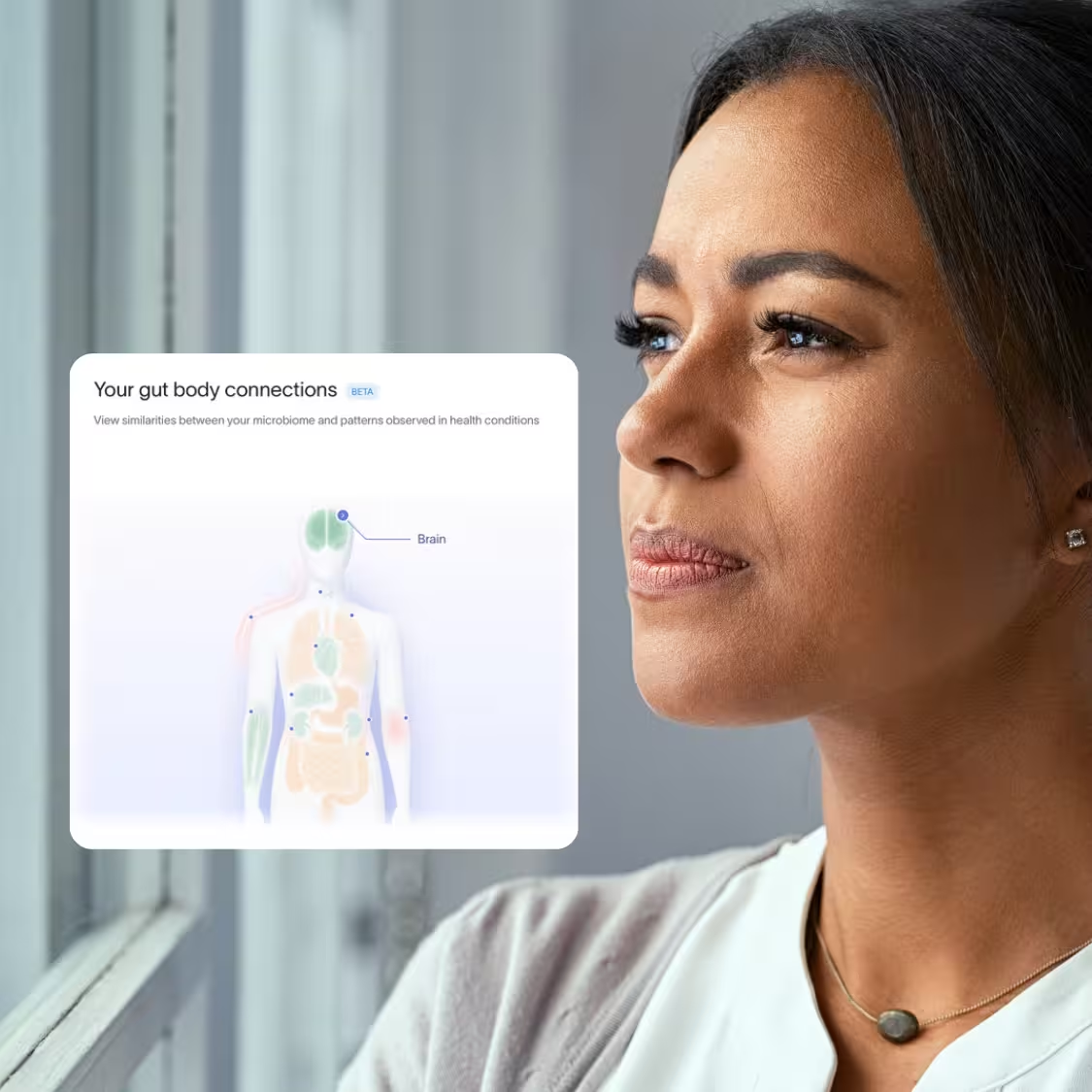
How Gut Body Connections, a proprietary interactive body map in your Results portal, links your microbiome patterns to the brain and other body systems
The gut-brain connection is the two-way line of communication running between your digestive system and your brain. When your stomach knots before a stressful talk, or a hectic week throws off your digestion, you're feeling that connection.
Scientists study this brain and gut connection closely because the trillions of microbes in your gut appear to be part of the conversation. In fact, the gut-brain link is one of several ways your gut connects with the rest of your body.
In this article, we cover what the connection is, how each end talks, and what the research says about mood, behavior, and balance at every age. We'll also show how Gut Body Connections, the interactive feature in your Tiny Health report, links patterns in your gut microbiome to different body systems, including the brain.
What is the gut-brain connection?
The gut-brain connection describes the constant exchange of signals between your gut and brain, with gut microbes playing a role in that exchange [1]. Researchers often call it the microbiota-gut-brain axis to emphasize the role of these microbes. You’ll also see terms like the brain-gut connection or gut-brain axis, which refer to the same two-way communication system.
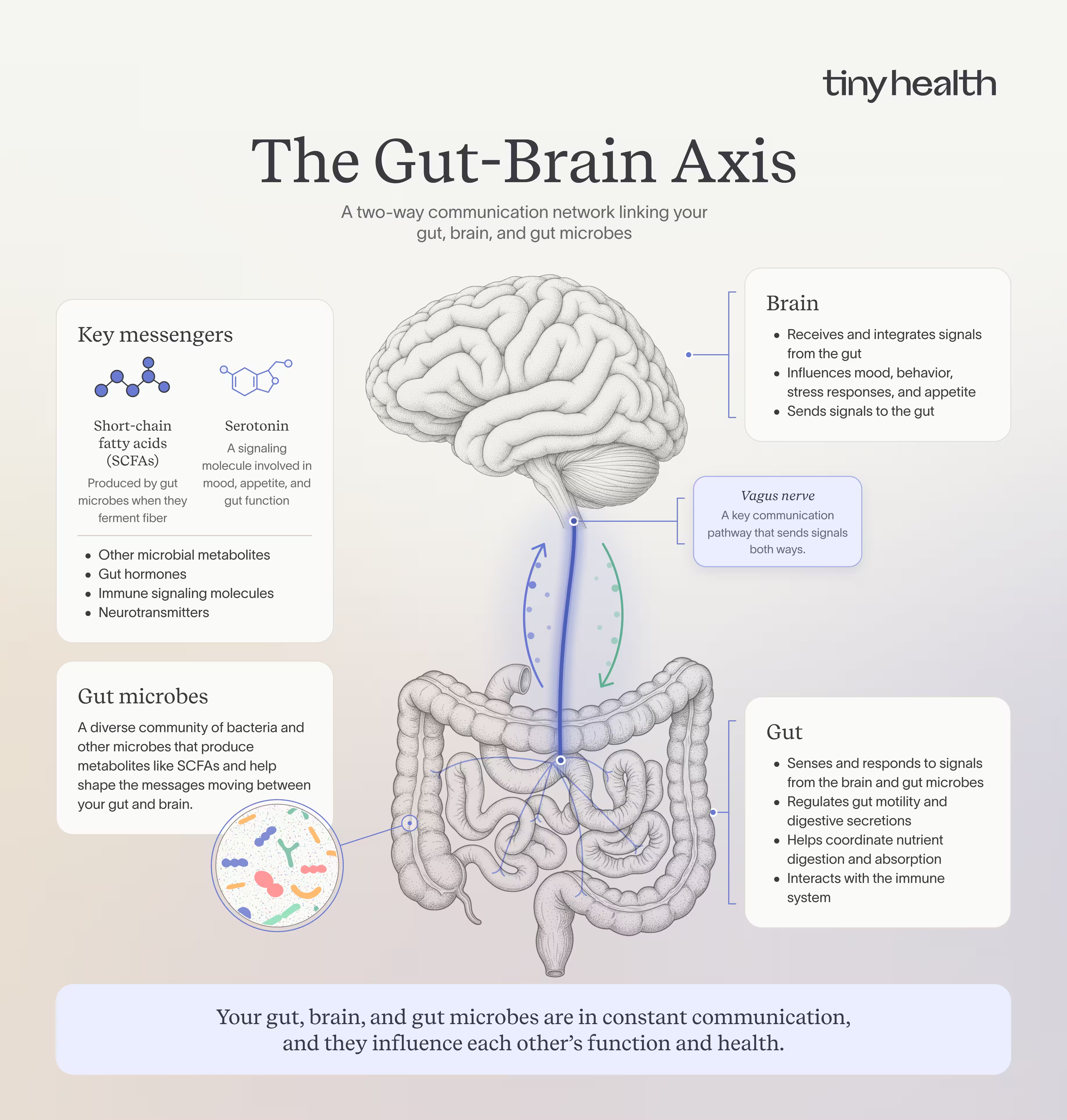
Your gut has its own network of nerves, known as the enteric nervous system. Sometimes called the second brain, it can function independently while also communicating with the central nervous system [2]. This communication works in both directions: the brain sends signals to the gut, the gut sends signals back, and gut microbes can influence this exchange through the molecules they produce.
Gut-brain communication involves several interconnected pathways, including:
The vagus nerve, a major communication pathway between the gut and brain
The enteric nervous system, the network of nerves that coordinates many functions within the gut
Microbial metabolites and other signaling molecules, including short-chain fatty acids (SCFAs), that can influence gut-brain communication
Here's how these pathways connect.
Gut-brain axis: how the gut and brain talk
The gut-brain axis: signals travel both ways between your gut microbes and your brain
How gut microbes may influence mood and behavior (at every age)
Studies have linked gut microbes with mood and behavior in both children and adults. Because the research looks different across life stages, it helps to consider the early years and adulthood separately. These findings point to associations rather than a simple cause-and-effect relationship.
In babies and children: early gut microbes and development
A baby’s gut microbiome is still taking shape during the first few years of life [3]. Early studies have linked differences in gut microbes with aspects of infant temperament and behavior, including emotional responses to new or stressful situations [4], [5]. These studies show associations, not cause and effect, but they point to a possible connection between the gut microbiome and the developing brain.
For parents, offering a variety of fiber-rich foods can help support a diverse gut microbiome as children grow [6]. Regular daily routines, especially a consistent bedtime, can support healthy sleep and overall well-being [7], [8].
In adults: the gut-brain connection and mood
In adults, differences in the gut microbiome have been observed in people with depression and anxiety. A systematic review of human studies found that people living with these conditions tend to have differences in their gut microbiome composition compared with people without them [9]. A large population study went further, showing that certain gut bacteria have “neuroactive potential,” meaning they can produce or break down molecules that interact with the nervous system, with some of these microbial features linked to quality of life and depression [10].
These are associations, though, and the distinction matters. A difference in gut microbes that appears with depression or anxiety doesn’t tell us which came first. Stress responses and gut function are connected through the same two-way gut-brain system, with neural, immune, and chemical signals linking the two [9].
The gut-brain connection and anxiety
Anxiety is one area where researchers are exploring the gut-brain connection. While studies have found differences in the gut microbiomes of people with anxiety, it’s still unclear what those differences mean or whether they play a role in anxiety itself [9]. Communication through the vagus nerve, microbial signals, and the body’s stress response may all be part of the picture [9], [11].
The word you may hear on the treatment side of this research is psychobiotics, a term used for probiotics studied for their potential effects on mental health or mood [12]. A meta-analysis of randomized trials in people with clinical depression or anxiety found that probiotics may help reduce symptoms. But results vary across studies, and the evidence is limited [13]. These findings suggest a possible supportive role alongside professional care, not a replacement for it. If anxiety is getting in the way of your daily life, start by talking with a qualified healthcare practitioner.
4 signs your gut-brain axis may be out of balance
None of the following confirms a problem on its own, but together they can be a nudge to pay attention:
You can’t control your gut microbes one by one, but you can shape the conditions they live in, and that’s really what reset means here. Diet can shift the gut microbiome within days, but building healthy habits takes longer [14].
Plant variety is a good place to start. People who eat a wider range of plant foods tend to have a more diverse gut microbiome [15]. Many plant foods also provide fiber, which gut bacteria can ferment into short-chain fatty acids (SCFAs), compounds that can influence gut-brain communication [16].
Supply plant compounds that gut microbes can break down [19]
Aim for a range of colors
Omega-3 sources
May support gut-brain signaling [20]
Evidence is still emerging
Top foods for the gut-brain axis
Here's what this looks like on a plate:
Fiber-rich plants such as oats, legumes, onions, and garlic [17]
Fermented foods such as yogurt, kefir, and kimchi [18]
Polyphenol-rich produce such as berries and leafy greens [19]
Omega-3 sources such as salmon, sardines, and walnuts [20]
New in your results: Gut Body Connections
Your Tiny Health gut report now includes Gut Body Connections, a new way to explore how patterns in your microbiome are associated with different body systems.
On the home screen and the Conditions page in your Results portal, you'll find an interactive body map covering systems like the brain, heart, and skin. Tap an area to see which microbiome metrics stand out in your results and see the research behind those associations.
The metrics in Gut Body Connections reflect microbiome associations found in research, not causes or diagnoses. Many factors, including genetics, diet, and lifestyle, affect your health, and these associations cannot tell you whether you have or will develop a health condition. Consult your healthcare practitioner before making any health decisions based on information in your report.
A Tiny+ Family Membership includes a 1-on-1 coaching session with a microbiome specialist and a step-by-step action plan, so you and your family know exactly what to do to support your gut health.
What you should know
FAQ: The gut-brain connection
How can Tiny Health help me understand the gut-brain connection?
Your gut microbiome is one part of the gut-brain connection. An at-home gut microbiome test gives you a closer look at the microbes living in your gut, including microbial diversity and which beneficial bacteria are present. In your Results portal, Gut Body Connections links patterns in your microbiome to body systems, including the brain.
How can you support a healthy gut-brain axis?
Fiber-rich plants, fermented foods, and colorful, polyphenol-rich produce are good places to start. Fiber feeds gut microbes that produce short-chain fatty acids (SCFAs), while fermented foods and polyphenols can support the gut microbiome in other ways. Together, these foods can help support the gut side of the gut-brain connection.
Can probiotics support the gut-brain connection?
Some probiotics, sometimes called psychobiotics when studied for their potential effects on mental health, may help with symptoms of depression and anxiety. However, results vary across studies, and research hasn’t identified a single best probiotic for the gut-brain axis [13]. It’s reasonable to be curious, but keep expectations grounded.
How is the gut-brain connection related to anxiety?
People with anxiety tend to show differences in their gut microbes, although researchers are still working out what these differences mean [9]. The gut and brain communicate through several pathways involved in anxiety and the stress response, including the vagus nerve [11]. These findings show a connection, not proof that changes in gut microbes cause anxiety, so gut support is best viewed as a complement to professional care.
How long does it take to support gut-brain balance?
Diet can begin to shift the gut microbiome within days, while habits like eating well, getting enough sleep, and managing stress work best over time. There’s no set timeline for resetting the gut-brain axis, so consistency matters more than speed.
When to seek medical attention
Reach out to a qualified healthcare practitioner if you experience persistent low mood, anxiety, or changes in behavior. You should also seek medical advice for ongoing digestive symptoms, especially if they occur with fever, unexplained weight loss, or blood in the stool. For your children, talk with your healthcare practitioner if symptoms interfere with daily life or development. The gut-brain connection is one piece of your health, not a replacement for medical guidance.
Written by: Harold Nuñez, PhD
Dr. Harold Nunez, a Medical Technologist and Ph.D. holder, specializes in microbiome research with over 10 years of experience.
Dr. Hannah Sturgeon, a Neuroscience Ph.D. from Georgia State University, specializes in microbiome research with expertise in early gut-brain-immune development.