Your skin reflects more than your skincare routine. Research shows your gut and skin are closely linked, though the connection isn’t simple. Here’s what the science says, what it doesn’t, and where gut health fits in.
Your gut and skin communicate through the immune system, inflammation, and compounds made by gut microbes.
Gut health may influence skin health. Research has linked the gut microbiome to conditions such as acne, eczema, and rosacea, but the relationship is complex.
Skin changes have many possible causes. Hormones, genetics, stress, skincare, and environmental factors can all affect your skin.
Food and daily habits matter. Eating fiber-rich plants and managing stress may help support a balanced gut.
No single food or supplement works for everyone. Some probiotics may help in certain situations, but results vary by strain, dose, and duration of use.
Your gut microbiome is one piece of the picture. Tiny Health’s Gut-Body Connections feature shows which of your gut microbiome metrics are linked to skin conditions like acne and eczema. It can’t diagnose a skin condition or tell you exactly what’s triggering a flare-up, though.
Your skin and gut may seem like two separate parts of your body, but they are more connected than you might think. The gut and skin connection is an area of growing research, and the answer to “does gut health affect skin?” is yes, it may. Your gut microbiome helps shape how your immune system works, how your body responds to inflammation, and which compounds your gut microbes produce. These processes may also play a role in skin health.
In this blog, we’ll explore how your gut and skin communicate, what research says about common skin conditions, and how everyday habits may support both. You’ll also learn which foods may help and how understanding your gut microbiome fits into your overall health.
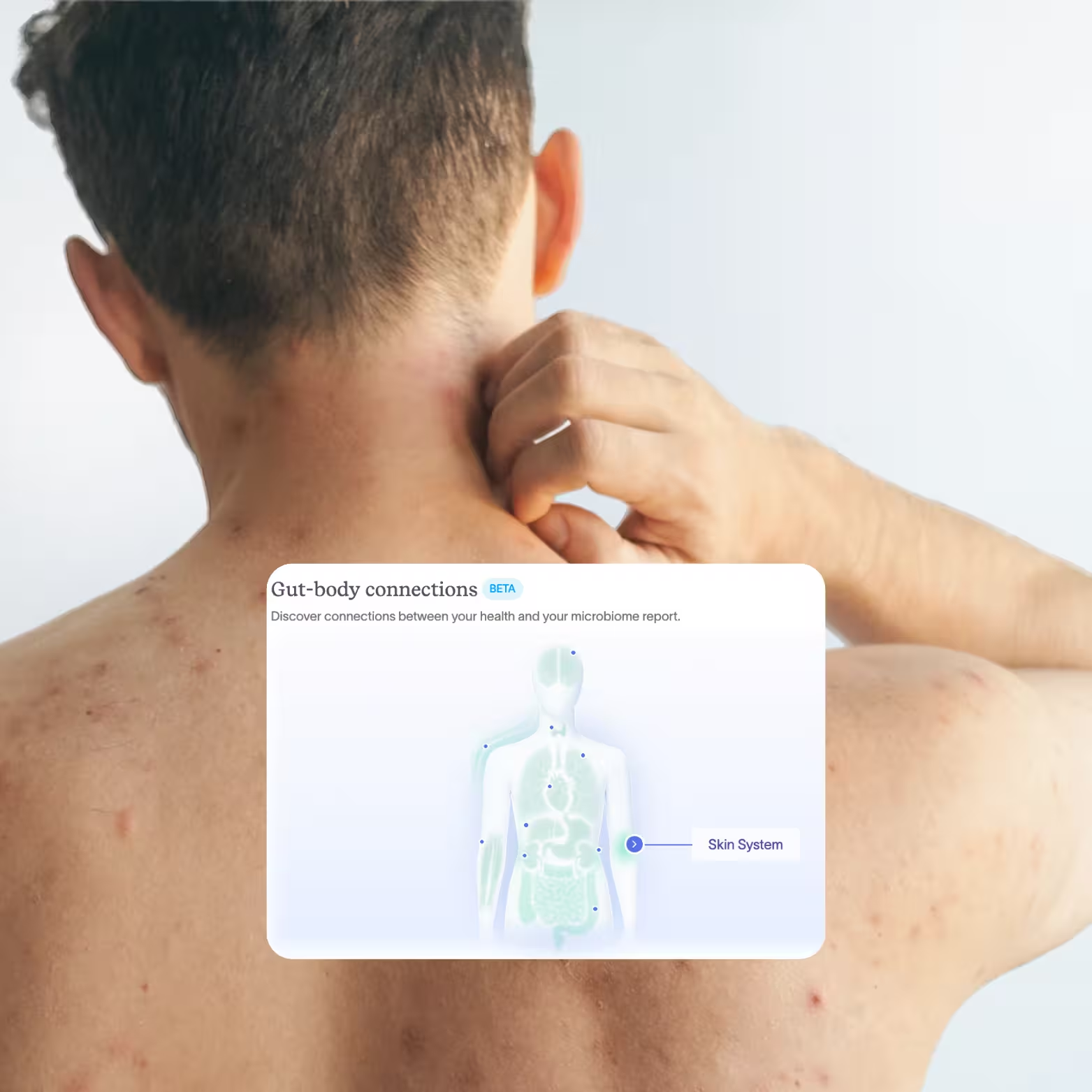
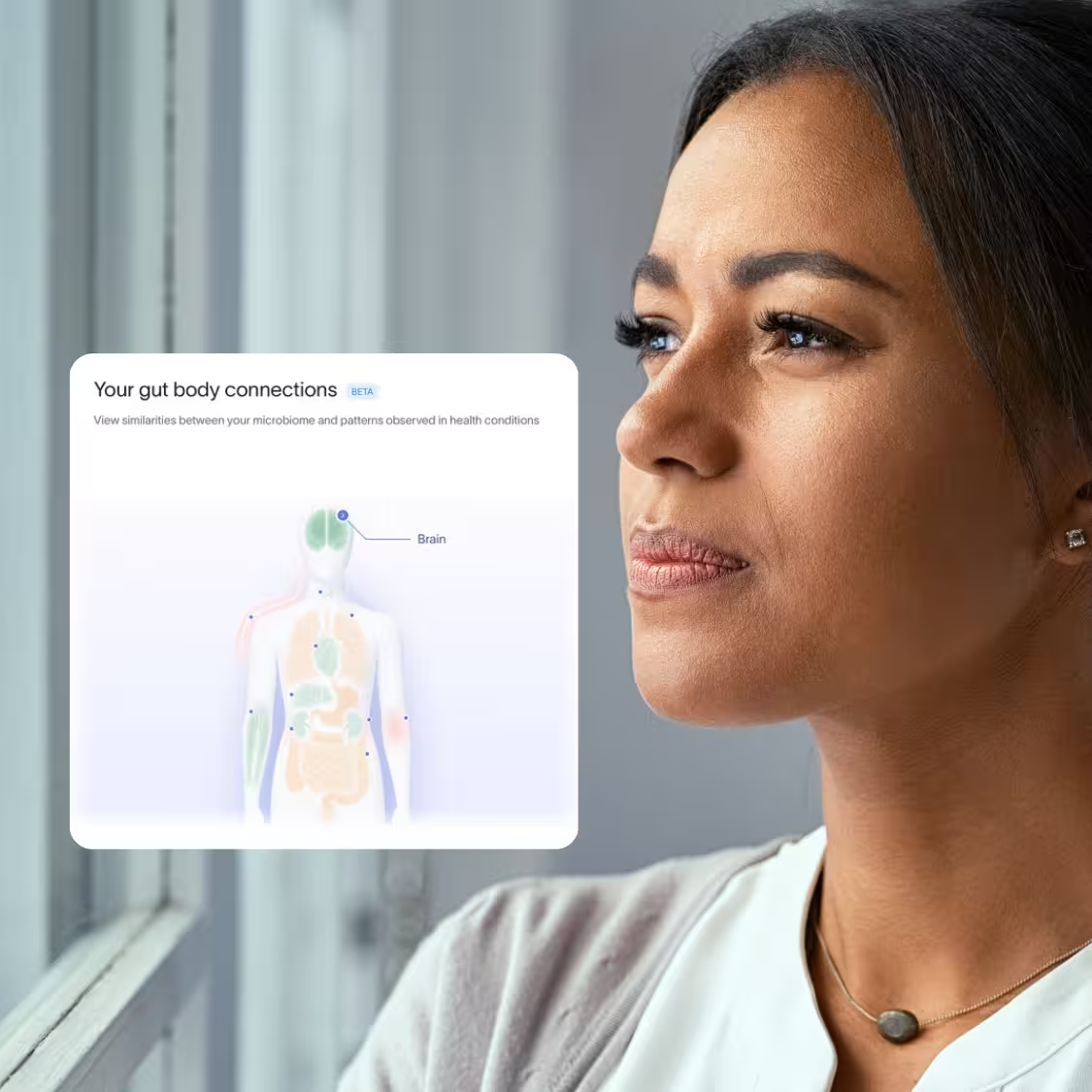
We’ll also show how Gut-Body Connections, the interactive feature in your Tiny Health report, links patterns in your gut microbiome to different body systems, including the skin, brain, heart, and immune system.
What is the gut and skin connection?
The gut and skin connection describes how your gut microbiome and skin may influence each other. This relationship, also called the gut-skin axis, involves communication between your gut microbes, immune system, and skin [1].
Your gut is home to trillions of microbes, including bacteria that help break down food and produce useful compounds. Your skin also has its own community of microbes, known as the skin microbiome [2]. Together with your immune system, these microbial communities help maintain the body's natural balance.
Researchers are still working to understand how these pathways may affect different skin conditions. The gut and skin relationship is a real subject of scientific study, but it doesn’t mean every skin problem starts in the gut.
How does gut health affect skin?
Gut health may affect your skin, but it’s only one of several factors that shape skin health. Your gut microbes interact with the immune system, produce compounds that influence body functions, and help maintain the gut environment [1], [3]. These processes may be relevant to skin inflammation and skin barrier health.
Here are three ways the gut and skin may be connected.
1. Immune system communication
Your gut microbiome helps train and regulate your immune system. When the gut microbial community changes, immune signaling may change, too [4]. Signals from the gut can reach beyond the digestive tract and influence how the immune system responds in other parts of the body, including the skin [1].
2. Gut barrier and inflammation
Your gut lining helps regulate what passes from your digestive tract into your body. When the gut barrier is less effective, microbial components and other substances may cross the lining more easily and activate immune responses [5].
One example is bacterial lipopolysaccharide (LPS), a component of the outer membrane of many Gram-negative bacteria. When LPS enters circulation, it can activate immune receptors such as Toll-like receptor 4 (TLR4), promoting inflammatory signaling. Researchers are investigating whether this process contributes to inflammation beyond the gut, including in the skin. Animal studies have shown that gut-derived LPS can reach skin tissue and aggravate itch in models of atopic dermatitis [6].
However, these mechanisms are still being investigated in humans, and gut barrier changes do not necessarily drive skin symptoms.
3. Compounds made by gut bacteria
Gut bacteria produce a variety of compounds as they break down food. Some, like short-chain fatty acids (SCFAs), help maintain the gut environment and influence immune function [3]. Others may have different effects depending on their levels and the body's ability to process them.
One example is trimethylamine (TMA), which certain gut bacteria produce from dietary compounds such as choline. TMA is absorbed and converted by the liver into trimethylamine N-oxide (TMAO). Emerging research suggests that this pathway may influence immune responses involved in inflammatory skin conditions, including atopic dermatitis [7]. These findings highlight how microbial metabolism may influence processes beyond the digestive tract, although more research is needed to understand its role in human skin health.
Does improving gut health improve skin? It may help some people, but the evidence varies by condition and intervention [8], [9]. Supporting your gut is a reasonable part of an overall wellness routine, but it isn't a guaranteed fix for acne, eczema, or other skin problems.
Gut health and common skin conditions
Researchers have found links between the gut microbiome and several skin conditions [1]. These findings are promising, but they don’t show that the gut microbiome is behind the condition or that changing the gut microbiome will resolve it.
Acne develops when hair follicles become clogged with oil and dead skin cells, with inflammation also playing a role. Some studies have found differences in gut microbiome patterns among people with acne [10], [11]. One study reported lower levels of Bifidobacterium in people with moderate to severe acne [10], and a genetic analysis linked this genus to a lower likelihood of acne [12]. However, acne is influenced by hormones, genetics, skin care, and other factors, and more research is needed to understand whether gut-focused approaches can improve symptoms.
Also known as atopic dermatitis, eczema is an inflammatory skin condition that often causes dry, itchy skin and flare-ups. Studies have linked eczema with differences in the gut microbiome, particularly in early life, but findings vary [13], [14]. Skin barrier function, genetics, immune responses, and environmental exposures are also important.
Rosacea
Rosacea can show up as facial redness, visible blood vessels, and bumps that resemble acne. Some studies have reported associations between rosacea and digestive conditions or gut microbial patterns, but not all agree [15], [16].
Psoriasis
Psoriasis is an inflammatory condition in which skin cells build up, creating thick, scaly patches. Researchers have identified differences in gut microbial patterns in some people with psoriasis, but findings vary among studies [17], [18]. Psoriasis involves immune system activity and genetic factors, so gut health is only one area of research.
How to support healthy skin through your gut
What you eat shapes the nutrients available to your body and the fuel your gut microbes use. Fiber-rich plants provide material that gut bacteria can turn into compounds such as SCFAs, while dietary fats and other nutrients support normal skin function. Researchers are also studying whether eating patterns, such as a Mediterranean-style diet, and certain probiotics can help manage inflammatory skin conditions. The evidence varies by condition, and no single food or supplement works for everyone.
Some provide live microbes, while others contain nutrients and fermentation products.
Evidence that fermented foods improve eczema, acne, psoriasis, or rosacea is limited.
Examples include yogurt with live cultures, kefir, and fermented vegetables. Some, like bread and most beers, no longer contain live microbes when eaten [21].
Probiotics are live microorganisms that may provide a health benefit when taken in adequate amounts [25]. Some studies have explored probiotics for skin health, including their possible role in eczema and acne, but results vary across trials that used different strains, doses, and lengths of use [26], [27].
In babies, a gut microbiome program that included personalized recommendations, such as infant-type Bifidobacterium probiotics, was linked to fewer parent-reported cases of eczema [28]. Recommendations also vary depending on when probiotics are given and which strains are used.
A product that contains one probiotic strain may not have the same effect as another. More is not always better, and probiotics are not necessary for everyone. If you are considering a supplement for a skin condition, ask your practitioner whether there's evidence for the specific product and whether it's appropriate for you.
How Tiny Health can help you understand your gut-skin connection
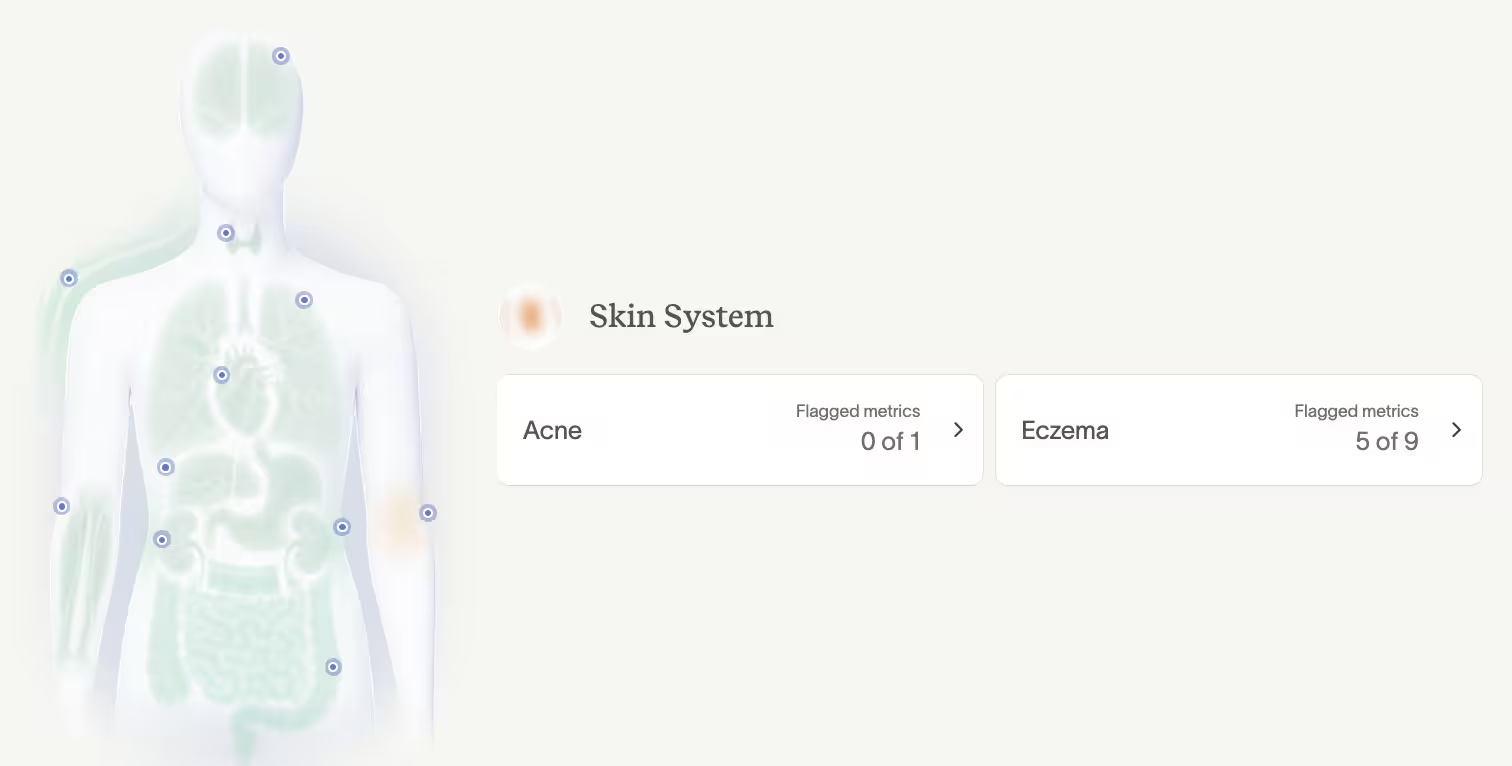
Here, 5 of 9 eczema-linked metrics are flagged, and this customer’s Action Plan includes personalized steps based on those results.
Your gut microbiome is one part of your overall health, and understanding it may offer insights into factors that support skin health. This is particularly relevant during early life, when the gut microbiome is still developing and helping shape immune system function. Research suggests that these early microbial patterns may also be relevant to skin health, including conditions such as eczema.
Tiny Health offers gut microbiome testing for everyone, including adults and babies. Our Baby Gut Health Test helps parents learn more about their baby’s developing gut microbiome and identify opportunities to support a healthy microbial community. Our Adult Gut Health Test provides information about your microbes, helping you explore your microbial patterns alongside your diet, symptoms, and health history.
Your results include Gut-Body Connections, an interactive way to explore how patterns in your microbiome are associated with different body systems, including your skin. On the home screen and the Conditions page in your Results portal, you’ll find a body map covering systems like the brain, heart, and skin. Tap the skin to see which microbiome metrics stand out in your results, along with the research behind those associations.
The metrics in Gut-Body Connections reflect microbiome associations found in research, not causes or diagnoses. Many factors, including genetics, diet, and lifestyle, affect your skin health, and these associations can’t tell you whether you have or will develop a skin condition. Consult your practitioner before making any health decisions based on information in your report.
The goal is not to chase a perfect microbiome or find a single explanation for a skin condition, but to better understand your body’s microbial community and the nuanced factors that support your well-being.
What you should know
FAQ: gut health and skin
Does gut health affect skin?
Yes, gut health may influence skin through immune signaling, inflammation, and compounds made by gut microbes. Studies have linked gut microbiome patterns with several skin conditions, including acne and eczema [1]. These links don’t mean that gut health is behind every skin problem.
Can an unhealthy gut cause skin problems?
Gut microbiome changes have been associated with some skin conditions, but the relationship is complex [1]. Skin problems can also be related to hormones, genetics, skin care, allergies, medications, and environmental factors [26], [29].
Can gut issues cause itchy skin?
Digestive symptoms and itchy skin can occur together, but one doesn’t necessarily lead to the other. Itching can result from dry skin, eczema, allergies, medication reactions, or other health conditions. If itching persists or occurs with other unexplained symptoms, speak with a healthcare provider.
What have other families experienced with Tiny Health testing and skin health?
Some families have used Tiny Health’s gut microbiome testing to explore potential connections between their children’s gut health and skin concerns, particularly eczema.
For example, one mom shared how her son’s eczema improved after she used his Baby Gut Health Test results to guide changes to his gut health routine. Another family used testing to better understand their children’s microbiome patterns and identify opportunities to support their gut health. They later reported improvements in their children’s eczema.
These stories illustrate how understanding the gut microbiome can help families explore additional ways to support their children’s overall health. However, individual experiences vary, and these stories do not establish that microbiome testing or the recommended changes caused the improvements.
Read their stories:
How One Mom Found Answers to Eczema and Lost Sleep
How a Family Resolved Eczema and Reduced OCD Symptoms
A Mom Fights Eczema With Gut Health Insights
What foods support skin and gut health?
Fiber-rich foods, colorful vegetables and fruit, whole grains, legumes, nuts, seeds, and sources of omega-3 fats can support overall health. Fermented foods such as yogurt with live cultures may also fit into a varied diet. No single food guarantees better skin, so focus on variety and consistency.
Can leaky gut syndrome cause skin rashes?
The term leaky gut is often used to describe increased intestinal permeability, which means the gut lining allows more substances to pass through than usual. Increased intestinal permeability is a subject of medical research, but there are no validated clinical tests to diagnose it [30], and “leaky gut syndrome” isn’t an established explanation for skin symptoms. If you have a persistent rash, seek medical advice rather than assuming it comes from your gut.
Are probiotics good for skin and gut health?
Some probiotic strains have been studied for specific digestive and skin outcomes, but benefits are not consistent across all products or conditions. Results can differ by strain, dose, and how long a probiotic is taken [26]. Ask your practitioner before using a probiotic to manage a skin condition, especially if you have a weakened immune system or a complex medical history.
How long does it take to see skin changes after improving gut health?
Gut microbes can respond to dietary changes within days or weeks, but visible skin changes may take longer or may not occur at all. There is no established timeline for skin improvement from gut-focused changes. Track your symptoms over time and seek professional guidance if they persist.
When to seek medical attention
Don’t assume your gut is behind a skin change. Contact a qualified practitioner or dermatologist if you notice:
A severe, spreading, or painful rash.
Skin symptoms that keep returning or interfere with sleep and daily activities.
Persistent itching without a clear cause.
Skin changes alongside unexplained weight loss, fever, or feeling generally unwell.
Signs of a possible skin infection, such as increasing warmth, swelling, pain, or pus.
Seek urgent medical care for a rapidly spreading rash with severe symptoms, or for a suspected serious allergic reaction, especially if you have trouble breathing or swelling of the lips or tongue.
Your practitioner can assess your symptoms, consider other possible causes, and help you decide whether further testing or treatment is needed.
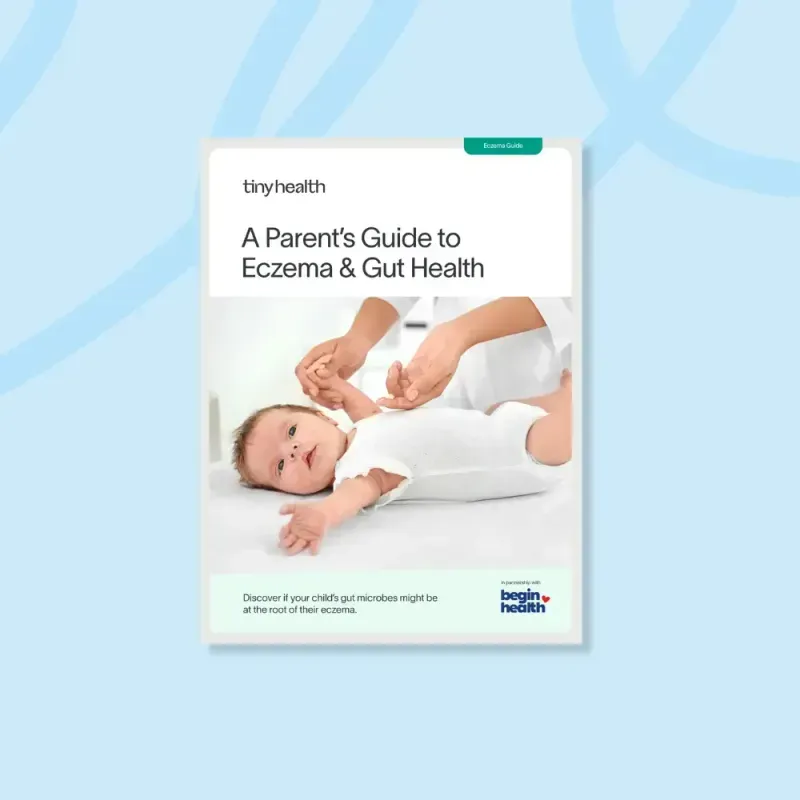
Download our free Parent Eczema Guide
Discover if your child’s gut microbes might be at the root of their eczema.